Top 10 Expert Tips on How to Maintain a Roof
Your roof cops a lot of scorching summer sun, salty coastal winds and those sudden downpours, storms and hail. Ignore it for a few seasons and you can end up with roof leaks, damaged ceilings, mould and insurance headaches that cost far more than a simple check-up.
This guide walks you through how to maintain a roof, what to inspect, when to call in a professional and how to protect the value of your property. Whether you’re a homeowner, a landlord or a property manager, a simple plan will save you money and stress.
As a family-owned roofing company with decades of experience across Newcastle, Lake Macquarie and the Central Coast,
Adapt Roofing has seen what happens when maintenance is skipped and how much longer a roof lasts when it’s looked after properly. Below, we’ve bundled our most practical, Australian-specific advice to help you stay ahead of problems, not just react to them.
Why Roof Maintenance Matters
Regular roof care isn’t just about looks, it’s about protecting your biggest asset. Done well, it:
Prevents Costly Repairs
Small cracks in tiles, loose screws or rusty sheets can quickly turn into major leaks. Addressing issues early is far cheaper than replacing damaged ceilings, insulation and framing.
Extends Roof Lifespan
Every roof is exposed to UV, storms and debris. Cleaning, tightening fixings and replacing worn components can add years, sometimes decades, to its life.
Protects Property Value
A well-maintained roof supports higher sale prices, rental returns and smoother building inspections.
Ensures Structural Integrity
Long-term leaks can rot timber components. Keeping water out protects the structure that holds everything up.
Improves Energy Efficiency
Gaps, missing insulation and deteriorated sarking make your home hotter in summer and colder in winter, driving up energy bills.
Reduces Risk During Storm Season
Secured sheets, cleared gutters and sound flashings are essential before those big southerly storms roll through.
Meets Insurance Requirements
Most insurers expect “reasonable maintenance”. If your roof has clearly been neglected, claims may be reduced or rejected.
Enhances Tenant Safety and Satisfaction
Dry, well-ventilated properties keep tenants happier, reduce complaints and improve retention.
Prevents Pest Infestation
Possums, rats and birds love a loose tile or rust hole as an entry point. Keeping the roof envelope tight helps keep them out.
Supports Bushfire Preparedness
In bushfire-prone parts of Australia, clean gutters and ember-proof components can significantly reduce risk in an ember attack.
How to Maintain a Roof: What to Inspect and How Often
Inspection Checklist
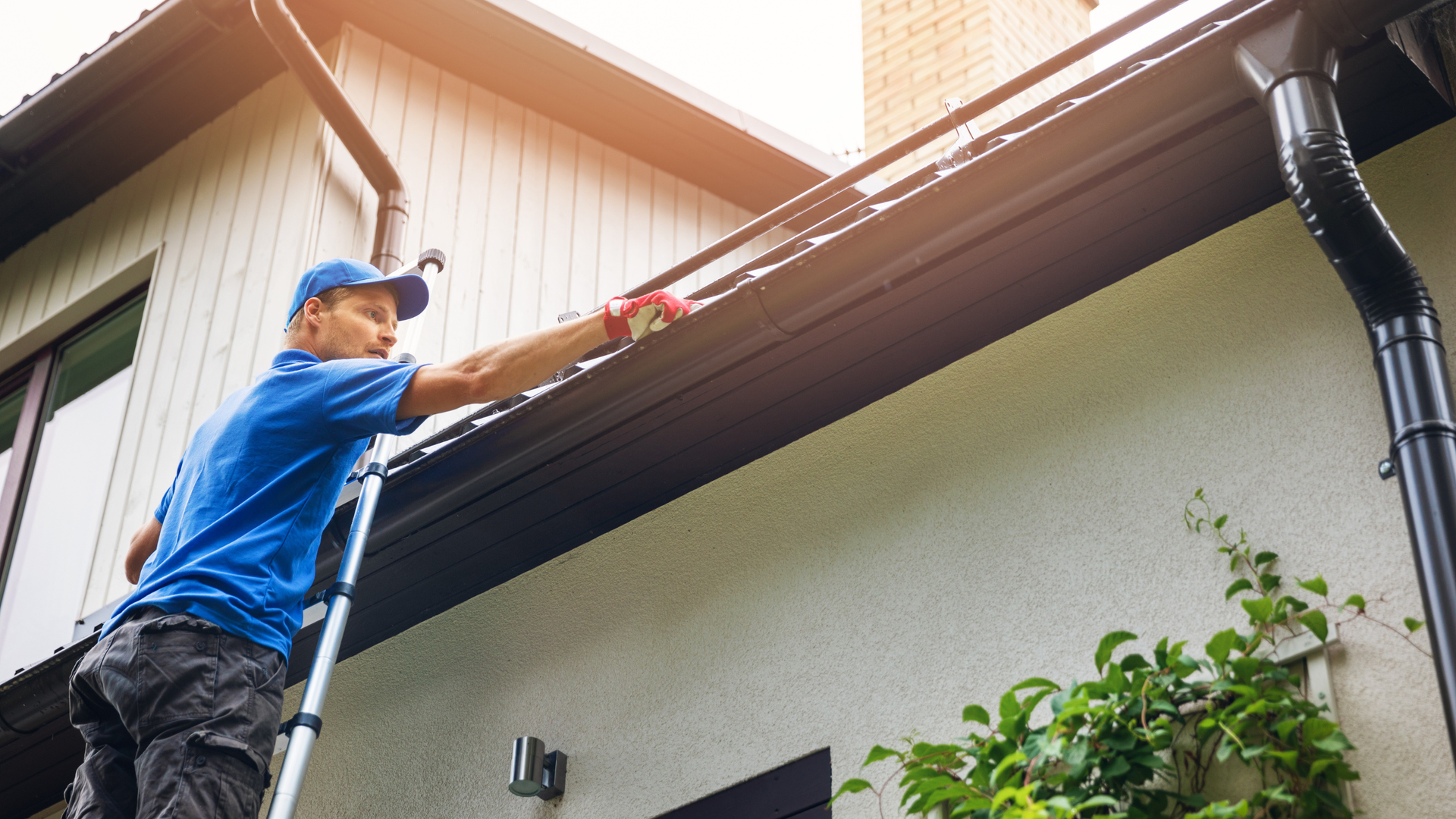
From the ground and, where safe, from a stable ladder, keep an eye on:
- Tiles:
- Broken, cracked, slipped or missing tiles
- Loose ridge caps or pointing
- Build-up of moss or lichen that holds moisture
- Metal Sheets:
- Rust patches, especially near screw lines and overlaps
- Loose or missing screws
- Lifting sheets or noisy rattling in the wind
- Flashing and penetrations
- Flashings around chimneys, skylights, vents and solar panels
- Cracked or perished sealant
- Signs of old temporary fixes like tape or silicone blobs
- Gutters and downpipes
- Leaves, branches and silt build-up
- Overflow marks down the fascia
- Rust holes, sagging sections or disconnected joints
- Structural sagging
- Dips in the roof line when viewed from the street
- Interior signs: cracks in cornices, bowed ceilings, doors that stick
Having a clear checklist makes it easier to stay on top of how to maintain your roof without missing anything important.
Recommended Inspection Frequencies
- Twice-yearly (autumn & spring)
- Autumn: clear leaves before winter rain
- Spring: check for storm damage and prepare for summer heat and bushfire conditions
- After major weather events
- Strong winds, hail, heavy rain or nearby bushfires
- Look for new leaks, debris, dents or broken tiles
- Annual professional inspection for rental properties
- Many landlords in NSW align this with annual property inspections
- A roofer’s report can support insurance, tenancy documentation and long-term planning
Safety Considerations for Inspections
- Never walk on a roof unless you’re trained, confident and using the right equipment.
- Use a sturdy ladder set up on level ground and secured at the top.
- Wear enclosed, non-slip footwear, gloves and sun protection.
- Assume every roof surface is fragile, especially older tiles and asbestos.
- If the roof is steep, wet, two-storey, or you feel uneasy, stay off it and call a professional.
Recording & Documenting Inspections
For homeowners, landlords and property managers, keep simple records:
- Take dated photos of any issues and the repairs.
- Keep a log (spreadsheet or app) noting:
- Date of inspection
- Who inspected it
- Issues found and actions taken
- For rentals, attach roof notes to tenant ingoing/outgoing condition reports.
- File invoices and inspection reports for future insurance claims or when selling the property.
10 Easy Roof Maintenance Tips for Homes and Businesses
Use these ten practical roof maintenance tips to build your routine:
Tip #1: Inspect your roof twice a year
Pick two calendar reminders (usually April and October) to do a visual check, inside and out. Consistency is the secret to preventing surprises.
Tip #2: Keep gutters and downpipes clear
Clear leaves, branches and silt so water can flow freely. In leafier suburbs, you may need to do this more often in autumn.
Tip #3: Check flashings and seals around fixtures
Look closely around chimneys, skylights, whirlybirds and solar panel brackets. Any split sealant, lifted flashing or obvious gaps should be repaired before the next downpour.
Tip #4: Trim overhanging trees and branches
Branches rubbing on your roof can scratch coatings, break tiles and dump extra leaves into gutters. Have trees trimmed back by a qualified arborist, especially before storm season.
Tip #5: Watch for signs of moss, lichen or algae
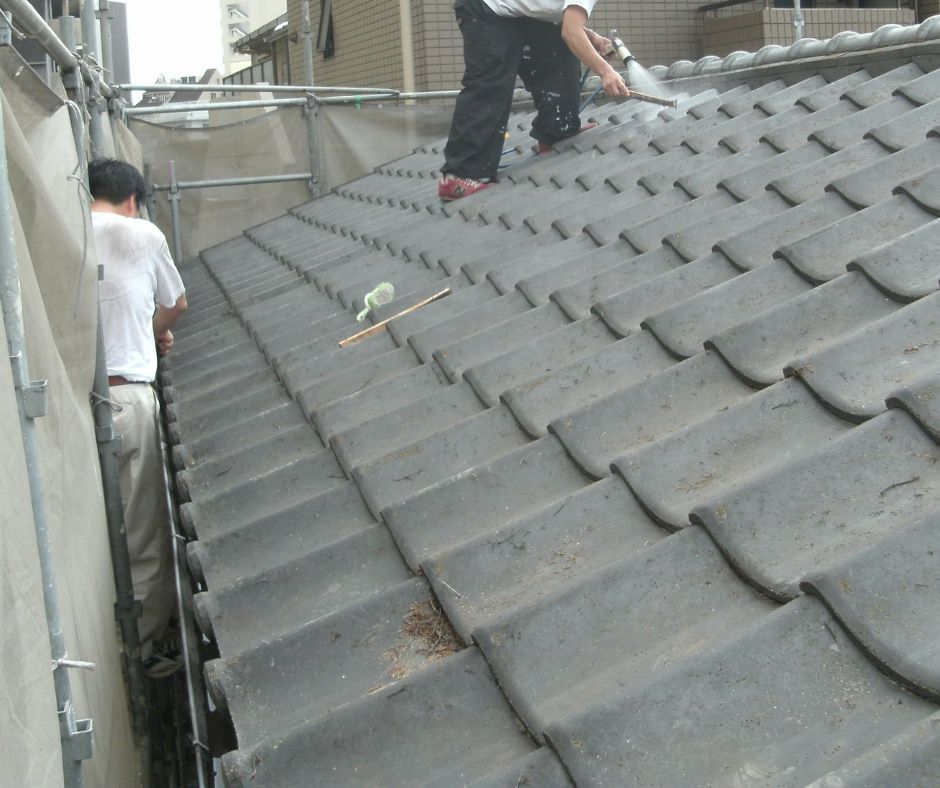
These can hold moisture and slowly damage tiles and pointing. Don’t attack them with a high-pressure cleaner yourself. It can strip protective coatings. Ask a roofer for the safest cleaning method.
Tip #6: Inspect the roof cavity
In dry weather, check your ceiling space. Look for water stains on rafters, damp insulation, daylight shining through and signs of pests.
Tip #7: Document and log all maintenance
Every time you clear gutters, replace tiles or call a roofer, jot it down. This simple record helps if you sell, lodge an insurance claim or manage multiple properties.
Tip #8: Address small issues promptly
One cracked tile or a small rust patch won’t look like much until it turns into a ceiling stain or rotten timber. Early fixes are cheaper and less disruptive.
Tip #9: Know when to call a professional
Anything involving height, structural issues, complex leaks or asbestos should be handled by a licensed roofer. Adapt Roofing, for example, can inspect, report and repair across Newcastle, Lake Macquarie and the Central Coast.
Tip #10: Include roof checks in your property management plan
For landlords and strata managers, add roof and gutter checks to your regular inspection schedule so maintenance doesn’t fall through the cracks.
When to Call a Professional vs DIY
DIY Tasks for Homeowners & Landlords:
Safe DIY tasks (if you’re comfortable and it’s single-storey with easy access) can include:
- Scooping leaves from gutters at ladder height
- Installing simple gutter guards (on safe, reachable sections)
- Tightening a few loose downpipe brackets
- Repainting small non-structural metal sections at ground level
- Avoid walking on the roof unless you’ve had proper safety training and equipment.
When You Should Engage a Roofing Professional:
Contact a licensed roofer when:
- The roof is steep, two-storey or hard to access
- You suspect structural damage or sagging
- There are ongoing leaks you can’t trace
- You have cracked tiles in high or awkward areas
- You’re dealing with asbestos or major rust
- Warranties or insurance may depend on professional work
Adapt Roofing’s team is fully insured and experienced in diagnosing and repairing issues before they become major problems, and every work is backed by strong workmanship guarantees.
Extra Considerations for Rental/Property-Management:
Property managers and landlords should lean towards professional help when:
- Safety or access risks could expose you to liability
- Insurance policies require qualified trades for certain repairs
- Tenants report repeated leaks or ceiling stains
- You’re preparing for tribunal hearings or insurance disputes and need a formal report
- A clear inspection report from a roofer adds weight to your records and shows you’ve acted responsibly.
Tips on Choosing a Trustworthy Roofer
- Check if they are licensed and insured.
- Look for strong local reviews and testimonials.
- Ask how long they’ve been operating in the area.
- Request a written quote outlining the scope of work and materials.
- Ask about workmanship guarantees and product warranties.
Maintenance Schedule Template for Australian Property Owners
Use this simple schedule as a starting point and adapt it to your property:
Quarterly (or more often in leafy/coastal areas)
- Clear gutters and downpipes
- Remove leaves and debris from roof valleys and around skylights
- Quick visual check from the ground for obvious damage
Twice yearly (autumn & spring)
- Full roof surface inspection (from ground and, if safe, via ladder)
- Check tiles/slates for cracks, movement or missing sections
- Inspect metal roofs for rust, loose screws and lifted sheets
- Check flashings, cappings and sealant around all penetrations
Annually
- Book a professional roof inspection
- Check roof ventilation and attic/roof cavity for damp, mould and pests
- Trim back overhanging trees and branches
After storms or major weather events
- Walk the property and look for fallen branches, new leaks or damage
- Check gutters and downpipes for blockages or dislodged sections
- Arrange a roofer to inspect if you notice anything unusual
How to Maintain Your Roof: Common Roof Problems & Ways to Prevent Them
Leaks and water ingress
- Root cause: Cracked tiles, lifted flashings, rust holes, blocked gutters or failed sealant
- Signs: Brown ceiling stains, peeling paint, damp smells and mould spots
- Prevention: Regular inspections, prompt repair of damaged components, keeping gutters clear and addressing minor leaks immediately
Tile damage or displacement
- Root cause: Foot traffic, fallen branches, storm damage and ageing materials
- Signs: Visible cracked or missing tiles, ridge caps out of alignment, debris in valleys
- Prevention: Avoid walking on tiles, trim trees, get post-storm checks and replace damaged tiles quickly
Rust/corrosion on metal roofs
- Root cause: Standing water, salt-laden coastal air, scratched coatings and old fixings
- Signs: Orange or brown patches, flaking paint, rust streaks below screws or laps
- Prevention: Keep gutters clear, wash down salt where practical, touch up scratches and replace severely corroded sections
Blocked gutters/downpipes causing pooling or collapse
- Root cause: Leaf and debris build-up, inadequate fall or undersized downpipes
- Signs: Water spilling over gutters, staining on fascias, sagging or pulling gutters, garden beds washed out below
- Prevention: Regular cleaning, gutter guards where appropriate and professional assessment if gutters regularly overflow
Vegetation growth (moss/lichen) or tree branch damage
- Root cause: Persistent shade and moisture, overhanging trees
- Signs: Green moss blankets, white or orange lichen and branches resting on the roof
- Prevention: Prune trees, improve sun and airflow where possible, use appropriate cleaning methods recommended by a roofer
Ventilation or attic issues (condensation, pests)
- Root cause: Poor roof ventilation, blocked eaves vents, gaps in the roofing envelope
- Signs: Condensation on sarking, mould on rafters, hot stuffy roof space, droppings or noises from pests
- Prevention: Ensure adequate vents, maintain a sealed but ventilated roof cavity, and close off entry points for animals
Conclusion
Looking after your roof is less about big, expensive jobs and more about small, regular actions. With a clear checklist, seasonal schedule and a sense of how to maintain a roof in NSW conditions, you can reduce leaks, extend the life of your tiles or metal sheeting and protect the value of every property you own or manage.
Do what you can safely from the ground, then partner with a trusted local roofer for higher-risk work, annual inspections and repairs. If you’re in
Newcastle,
Lake Macquarie or the
Central Coast and want expert eyes on your roof,
get in touch with Adapt Roofing to book an inspection or request your roof maintenance checklist.
Key Takeaways
- Regular inspections (twice a year or after storms) are the foundation of good roof care.
- Clean gutters and downpipes and clear debris from valleys and around penetrations.
- Replace broken tiles and monitor metal roofs for corrosion before it spreads.
- Know your limits and call a professional for height, safety or structural issues.
- Landlords and property managers should integrate roof checks into existing inspection cycles.
- A structured schedule and a few well-timed roof maintenance tips can save you thousands over the life of your roof.
Frequently Asked Questions
How often should I inspect my roof?
Most NSW homes benefit from roof inspections twice a year and a quick check after severe storms, hail or high winds. Rental properties or coastal homes may need more frequent professional inspections.
What are the most common signs that my roof needs maintenance or repair?
Look for cracked or missing tiles, rust on metal sheets, water stains on ceilings, mould or musty smells, gutters that overflow in normal rain and any sagging or uneven roof lines. Inside the roof cavity, damp insulation or daylight shining through is a red flag.
Can I do roof maintenance myself, or do I always need a professional?
You can handle some simple jobs yourself, like clearing low-level gutters, visually checking for damage from the ground and recording issues. Anything involving walking on the roof, significant leaks, structural concerns or asbestos should be handled by a licensed roofer. Your safety must always come first.
What maintenance tasks can tenants do vs what landlords/property managers should do?
Tenants can usually report problems promptly, keep courtyard drains clear and avoid causing damage (for example, not storing items against downpipes). Landlords and property managers are generally responsible for roof structure, gutters, downpipes and arranging professional repairs or inspections. Check your lease and local legislation for specifics.
How much does roof maintenance cost for a typical suburban home in Australia?
Costs vary widely depending on the size and pitch of your roof, access, materials and how long it’s been since the last service. Simple inspections and gutter cleans cost far less than major leak repairs or replacements. The best approach is to request a written quote from a local roofer after they’ve seen your property.
Does cleaning my roof void any warranties?
It can, if it’s done with the wrong methods or chemicals. High-pressure cleaning or harsh products may remove protective coatings or damage tiles. Always check manufacturer recommendations for your roof type and speak with a roofer who understands local products before organising cleaning.
How does the Australian climate affect roof maintenance priorities (bushfires, storms, coastal corrosion)?
In NSW you need to think about intense UV, summer storms, heavy rain and, in many areas, bushfire risk and salt air. That means prioritising clean gutters, secure flashings and fixings, ember protection in bushfire zones and rust prevention for coastal properties.
What materials/roof types require special maintenance (metal roofs, tile roofs, flat roofs)?
Metal roofs: Watch for rust, loose screws and lifting sheets. Touch up coatings promptly.
Tile roofs: Check for cracked or slipped tiles and loose ridge capping. Avoid heavy foot traffic.
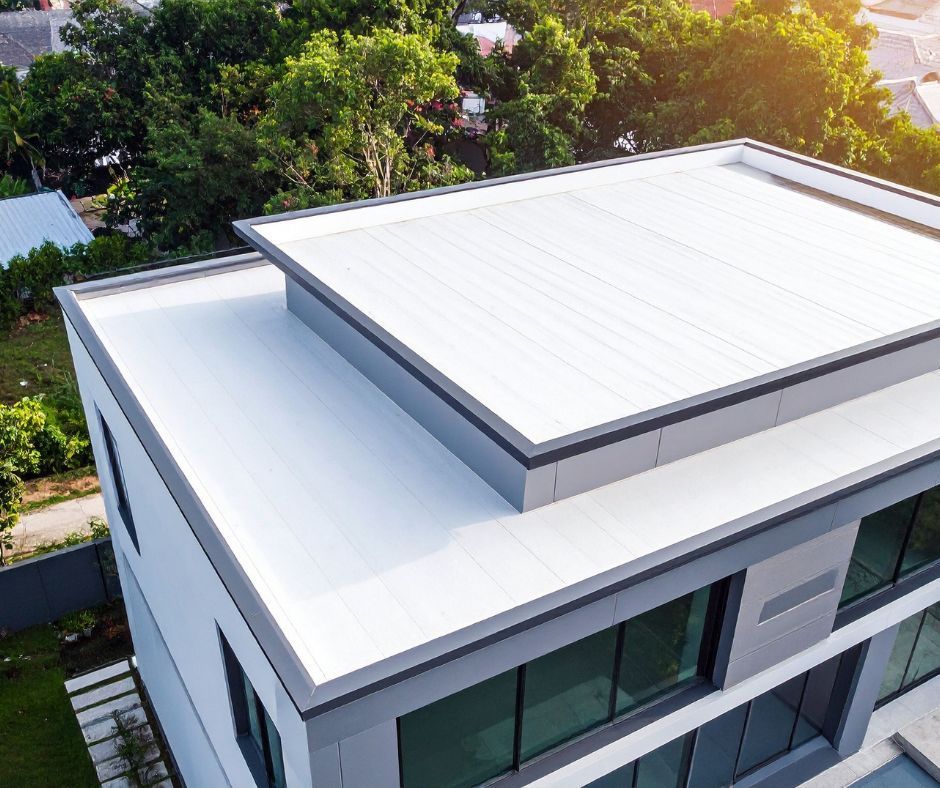
Flat or low-slope roofs: Ensure drains never clog, as ponding water can quickly lead to leaks.
Each roof type benefits from tailored roof maintenance tips based on age, location and exposure.
What questions should I ask when hiring a roofing contractor for maintenance?
Ask about their licence and insurance, how long they’ve been operating locally, what’s included in their inspection, whether you’ll receive photos/report, what materials they recommend and what workmanship guarantee they offer. A reputable roofer will be happy to answer in detail.
How can I budget for roof maintenance across my investment properties?
Build a small annual allowance for each property into your maintenance budget, covering inspections, gutter cleans and minor repairs. Track work done at each address so you can forecast larger jobs years in advance. Spreading costs this way makes your roof maintenance across multiple properties far more manageable.