Roof Repair Cost Guide for Homeowners & Property Managers
After a heavy storm rolls through, you notice a damp patch spreading across the ceiling the next morning. A cracked tile? Lifted flashing? The first question that always comes to mind: “How much do roof repairs cost?” and “What should you budget?”
This guide breaks down the major drivers behind
professional roof repair cost, so you can budget with confidence and avoid nasty surprises, compare quotes fairly and choose a contractor you can trust.
What is Roof Repair?
Roof repair targets a specific problem: stop a leak, replace damaged tiles/sheets, re-seal a valley, swap out rusted screws or failed flashing. Restoration is a larger program (e.g., clean, re-bed/re-point, re-seal/re-coat) designed to refresh performance and appearance. Roof replacement removes the old system and installs a new one (often when the roof has reached end-of-life or has widespread failures).
Typical Repair Scenarios
- Leak patching after storms or around penetrations (vents, skylights, chimneys)
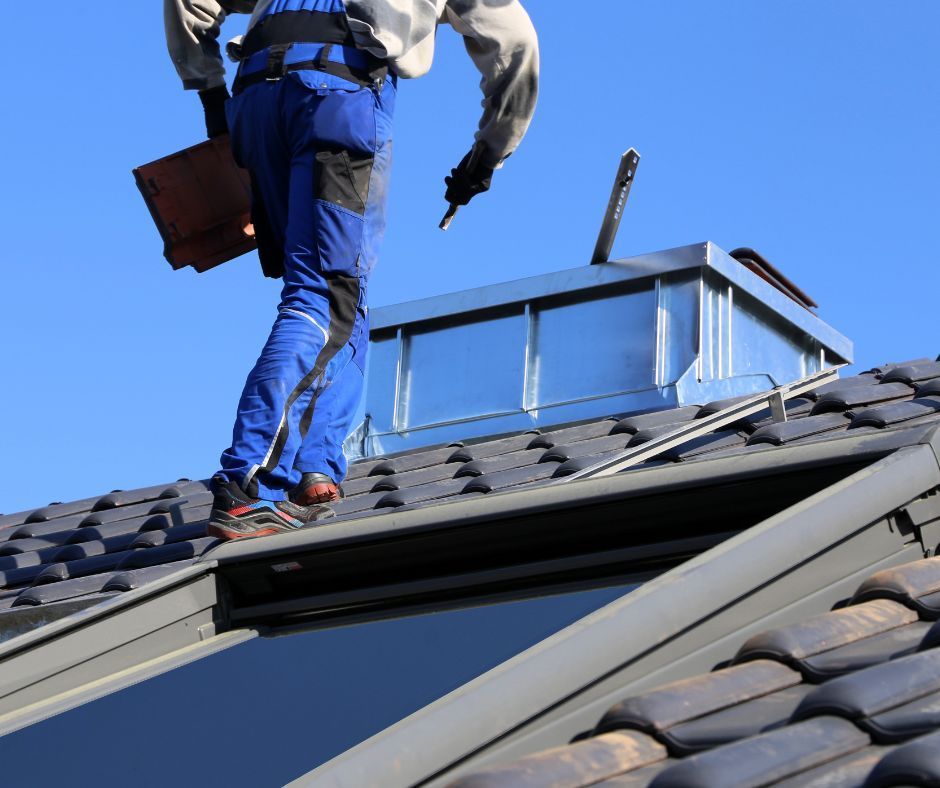
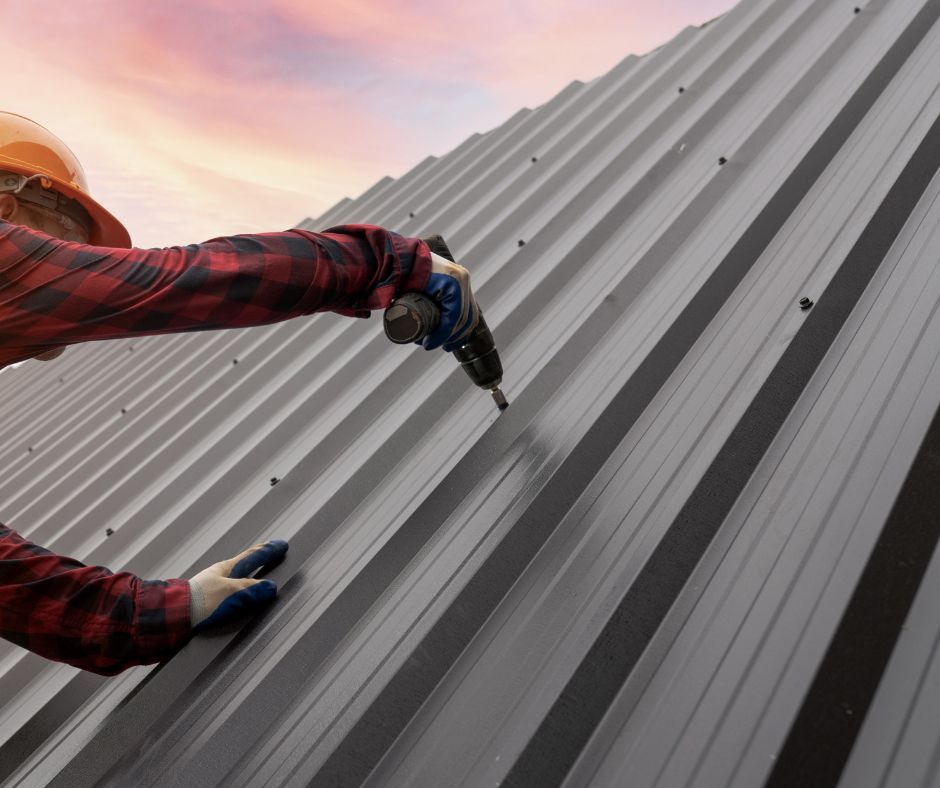
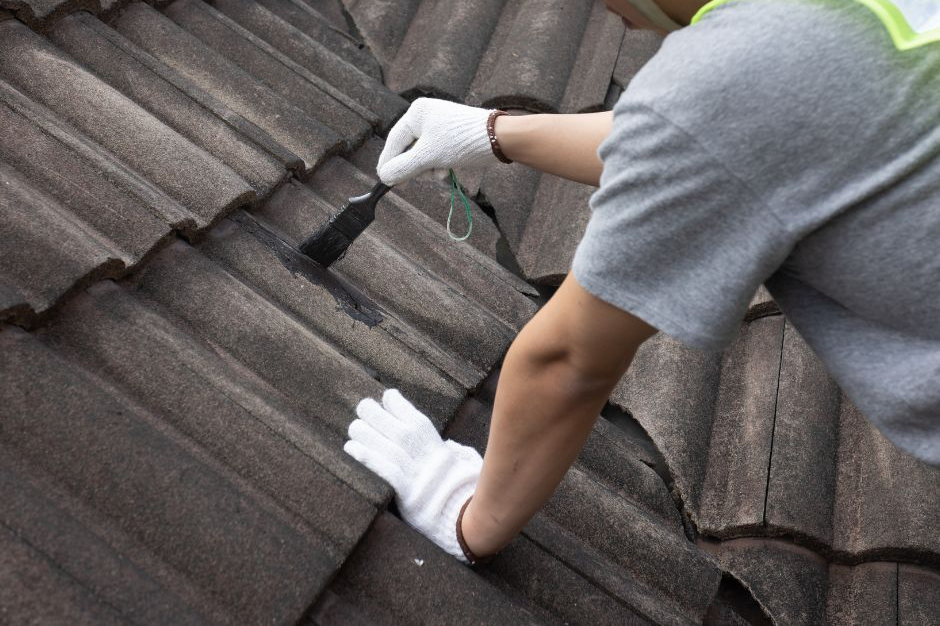
- Broken, cracked or slipped tiles; metal sheet screw failure; minor corrosion treatment
- Flashing and valley repairs
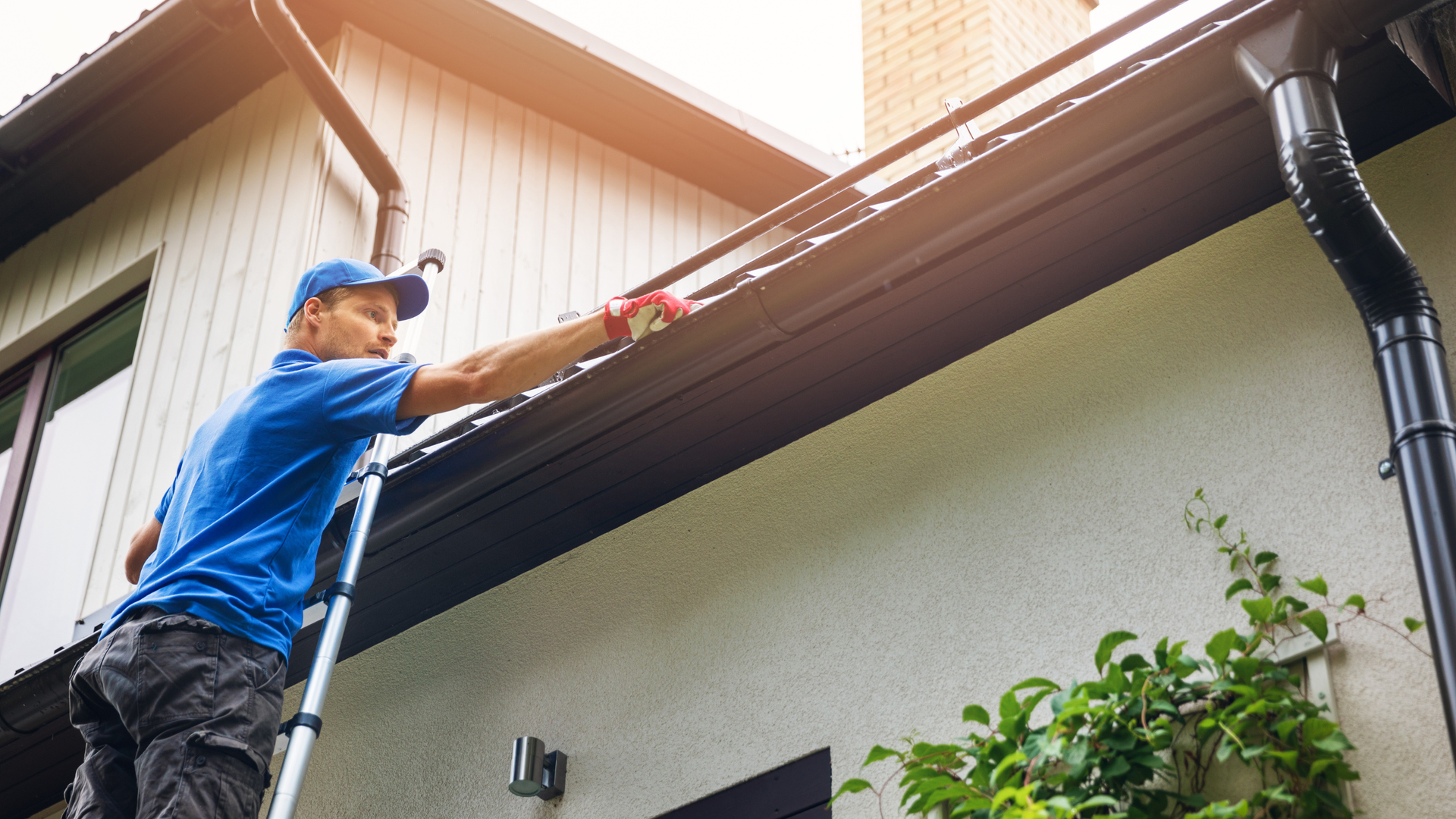
- Gutter, fascia and downpipe fixes where water is backing up or overflowing
Why Fixing Early Matters
Small defects invite water in. Water invites mould, timber rot, insulation damage and swollen plaster, which multiplies the repair bill. Acting early usually keeps your roof repair costs lower and extends roof life.
Key Factors That Affect Roof Repair Cost
From roof size and material to access, urgency and seasonality, these NSW-specific variables are the biggest levers that push your repair cost up or down.
Roof Size & Pitch
Larger roof sections require more materials and labour, steeper pitches increase working time, safety gear and crew numbers. Both shift how much roof repairs cost for your property.
Material Type & Condition
Each roofing material behaves differently. Age, corrosion, previous coatings and the availability of matching profiles all influence repair cost. If the sarking or decking beneath is compromised, expect the cost to repair a roof to rise because repairs move from surface level to structural.
Extent of Damage & Repair Scope
The jump from simple to major repairs is the biggest mover in how much a roof repair costs.
- Simple: one cracked tile or a small flashing reseal.
- Moderate: multiple broken tiles, lifted ridge caps or corroded sheets in a section.
- Major: storm damage, persistent leaks, sub-roof issues or framing repairs.
Access, Location & Urgency
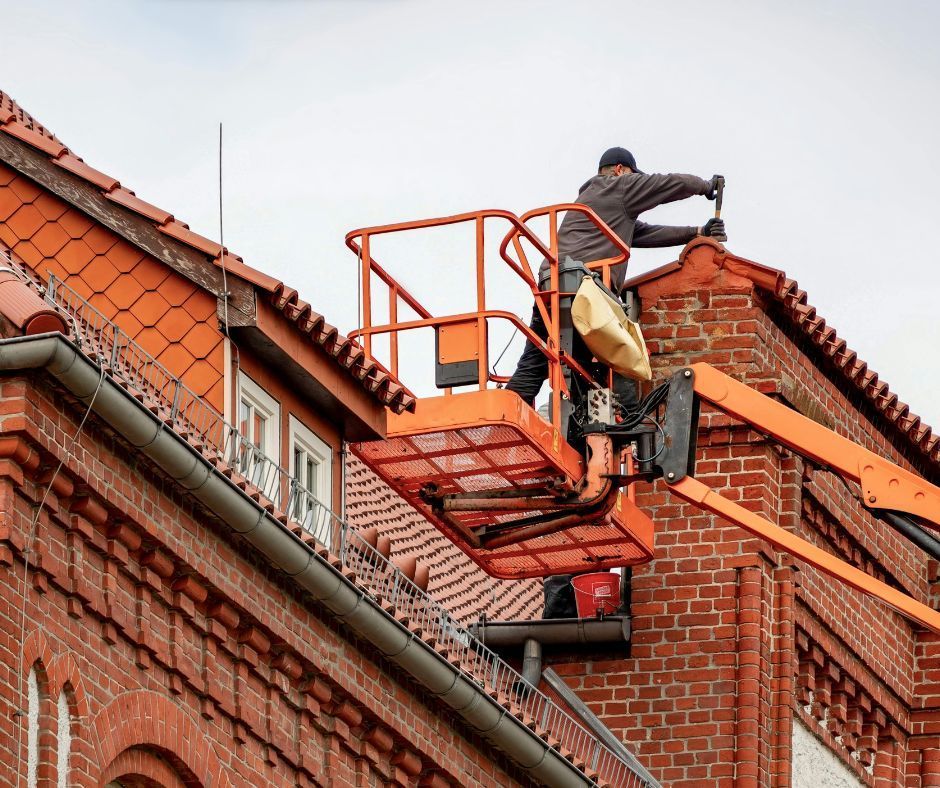
Multi-storey homes, tight driveways, brittle older tiles or proximity to power lines add time and risk. Rural jobs may include extra travel. Emergency call-outs (after-hours or during heavy rain) typically attract higher rates, increasing repair costs.
Additional Services Required
Repairs may reveal the need for new flashings, gutters or downpipes, insulation replacement or safe handling steps if hazardous materials are present. Bundling related works can reduce the total cost versus staging them over multiple visits.
Region & Tradesman Availability
Seasonal storms across NSW can spike demand, tightening schedules. After severe weather, prices and lead times can vary. Planning ahead helps you control the cost of roof repairs.
How To Budget & What To Ask When Getting A Quote
Steps Before You Seek Quotes
- Do a safe, ground-level scan: look for slipped tiles, rust, staining on eaves or water marks on ceilings.
- Note materials (tile or metal), roof age (if known), height/pitch and any access constraints.
- Photograph problem areas (inside and out) to brief contractors efficiently.
Questions To Ask Contractors
- Are you licensed and insured for the specific roofing trade? (NSW requires licensing above certain values; ask for their licence number.)
- What materials/brands will be used and why?
- What is the workmanship warranty?
- What is included/excluded in the quote (access equipment, disposal, clean-up, emergency call-out)?
How Quotes Should Be Structured (and What To Compare)
- Itemised Labour vs materials, itemised where practical
- Access gear (scaffold, edge protection), waste disposal, site clean-up
- Timeframe, start date and weather contingencies
- Provisional sums/allowances for hidden issues
Ways To Manage Costs to Repair a Roof
- Fix minor issues early, before they spread
- Book outside peak season when possible
- Choose durable materials that reduce future call-outs
- Bundle related work in one visit
Expert tip: Don’t chase the lowest number blindly. A cheap roof repair cost can mean shortcuts on flashing detail, sealants or fixings, leading to repeat leaks and a bigger bill later.
Repair vs Restore vs Replace: Which Option is Right?
- Repair: Targeted fixes for isolated faults. Fast and cost-effective when the roof is otherwise sound.
- Restore: Clean, re-bed/re-point ridge caps, re-seal/re-coat and minor repairs. Good for aged but salvageable roofs to extend life and improve appearance.
- Replace: Full system swap when the roof is at end-of-life, severely damaged or repeatedly leaking despite prior repairs.
Decision Cues
- Choose repair when faults are localised, the roof is structurally sound and the existing materials aren’t near end-of-life.
- Consider restoration when aged surfaces need widespread maintenance but structure is OK.
- Opt for
replacement if leaks keep recurring, there’s widespread corrosion or tile failure, or patch costs are approaching a significant portion of a new roof.
How Much Do Roof Repairs Cost: Common Roof Repair Types & Sample Cost Ranges
Here are some of the most common roof problems to help you compare where different repair types typically sit cost-wise.
Leak Repair
Common around penetrations and flashings after heavy rain.
Cost Level: Low to Moderate (severity and cause drive labour time).
Broken or Dislodged Tiles
Swap out cracked/slipped tiles, check and reseat where needed.
Cost Level: Low (minor), Moderate (multiple tiles or tricky access).
Flashing & Valley Repairs
Critical water pathways, failures often stay hidden until ceilings stain.
Cost Level: Moderate to High (area affected, roof complexity).
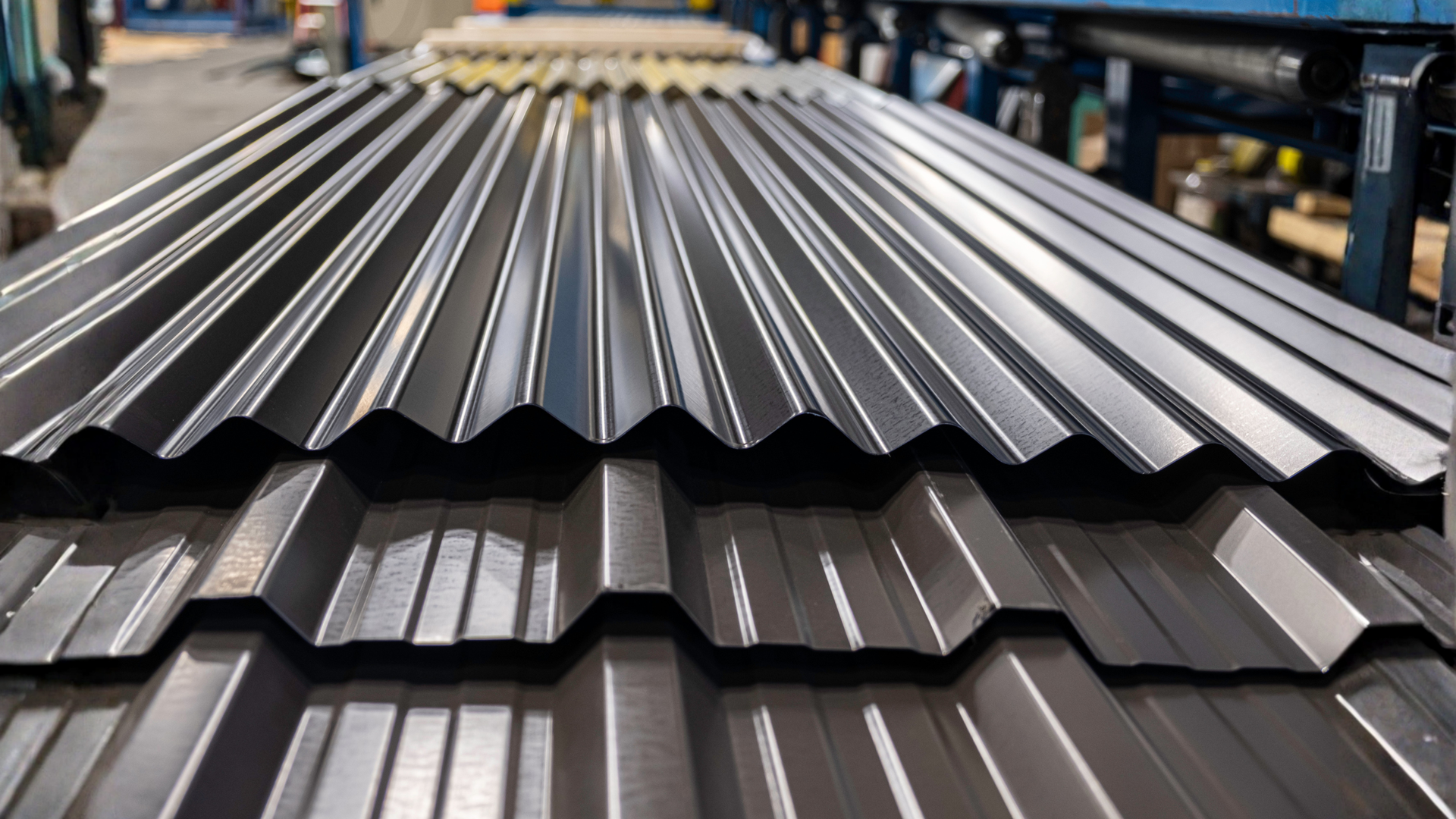
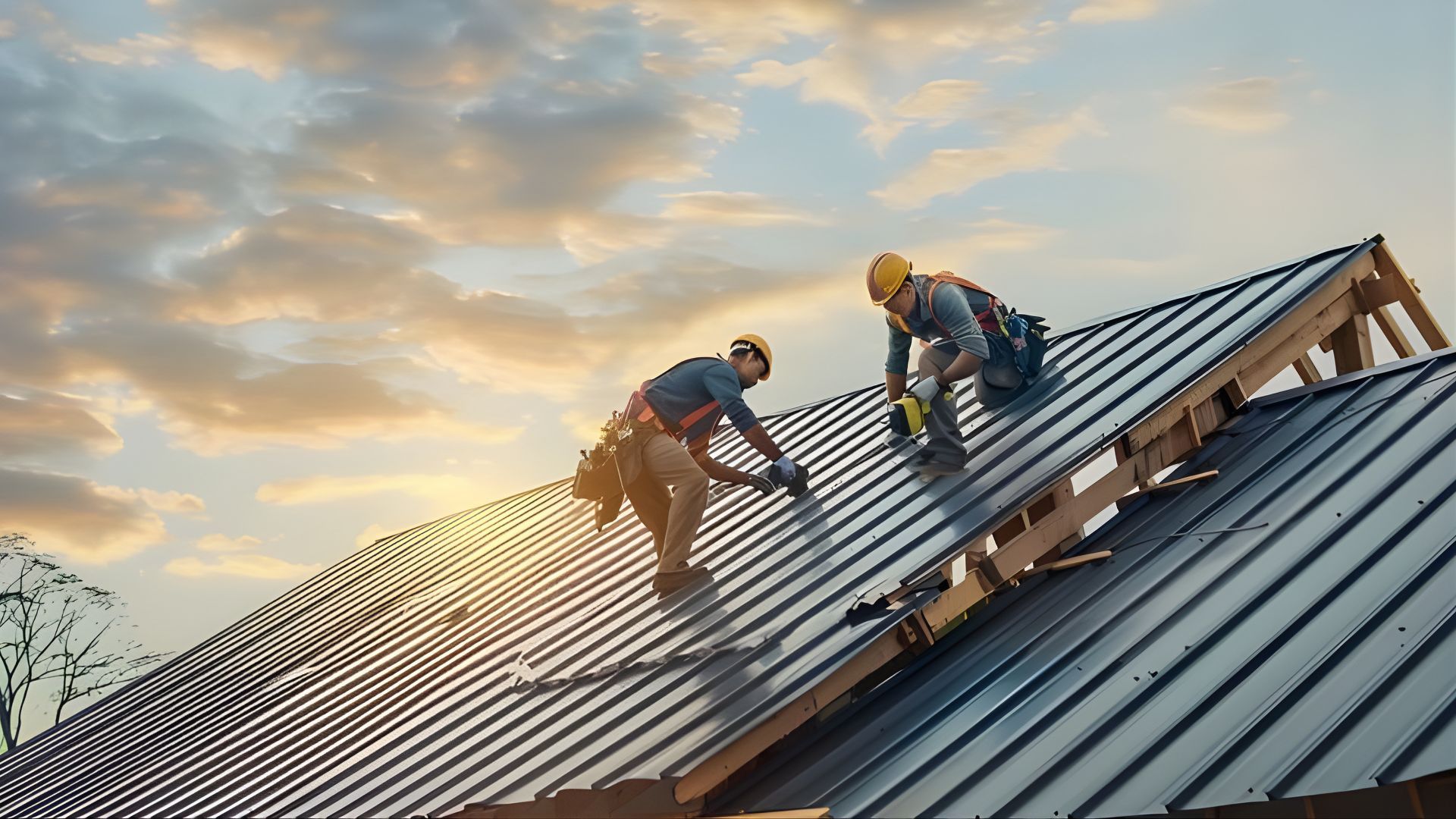
Metal Sheet Repairs (Corrosion or Panel Replacement)
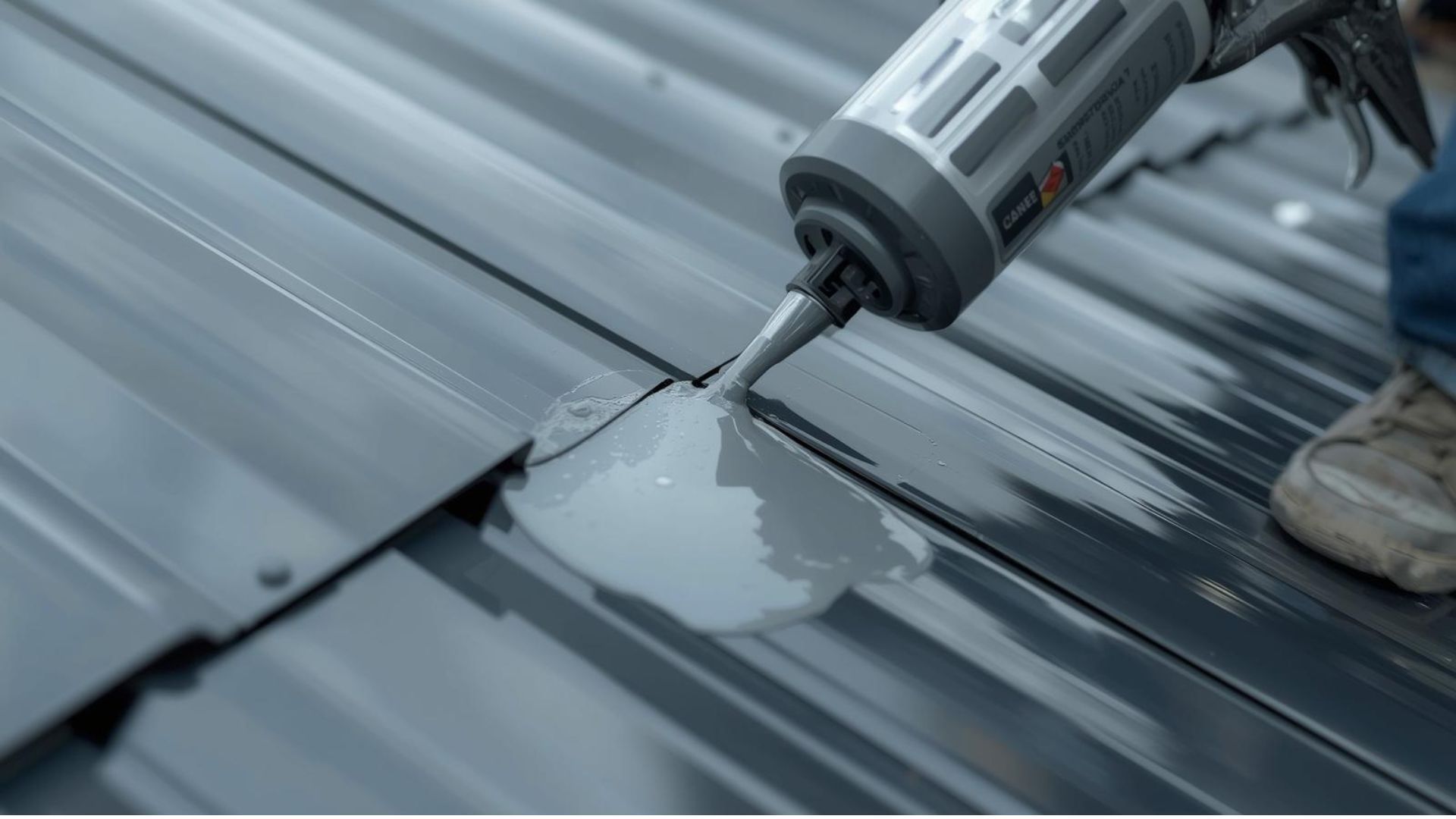
Patch isolated rust or swap a sheet, ensure compatible fasteners/sealants.
Cost Level: Moderate to High (material, height, exposure).
Gutter, Fascia & Downpipe Repairs
Often bundled with leak rectification, correct falls and outlets.
Cost Level: Low to Moderate (component count; replacement increases cost).
Structural Damage or Framing Repairs
Hidden timber repairs (rafters, battens) discovered during works.
Cost Level: High to Premium.
Storm Damage or Emergency Repairs
Make-safe tarping, temporary flashings, urgent call-outs.
Cost Level: High to Premium (severity + response time).
Hidden Costs & Risks to Watch For
- Concealed rot in the roof decking
- Saturated insulation and ceiling lining replacement
- Compliance upgrades (flashings/valleys to current standards)
- Access equipment (scaffolding/edge protection for steep or multi-storey homes)
- Waste disposal, especially for hazardous materials
- Delaying roof repairs often multiplies damage, increasing your eventual repair cost.
Expert Tip:
Ask your contractor for a full inspection with photos and a written scope. Make sure they flag potential hidden issues and explain how variations will be priced before works begin. It’s the best way to keep control over the roofing repair cost as a project unfolds.
Conclusion
Roof repair cost varies widely with roof size, material, access and the extent of damage. Simple, localised fixes sit at the low end, while structural or emergency works land higher. Acting early keeps problems contained and budgets in check.
To avoid surprises, insist on itemised quotes that separate labour, materials, access equipment, clean-up and timeframes. Ask about licensing/insurance, like-for-like materials and a written workmanship warranty. Clear scopes, photos before/after and agreed variation rates make the process predictable and fair.
When you’re ready,
book a roof inspection with Adapt Roofing for practical advice and an itemised plan that makes your cost to
repair a roof easy to understand. We’ll prioritise safety, durability and value, so the fix lasts well beyond the next storm.
Key Takeaways
- Roof repair costs in Australia can range from low to premium, depending on scope, materials and access.
- The biggest cost influencers are roof size, material, pitch/accessibility, damage extent and location.
- Getting transparent quotes, choosing quality contractors and acting early can save thousands over a roof’s life.
- If repairs are frequent or extensive, consider restoration or full replacement instead of constant patching.
- Always verify workmanship warranty, licensing/insurance and materials used.
Frequently Asked Questions
What is the average cost to repair a roof in Australia?
It varies by material, access and scope. Minor repairs sit at the low end, complex flashing/valley or structural works fall higher. Itemised inspections keep your repair costs predictable.
How much does it cost per square metre to repair a roof?
Per-m² pricing shifts with scale, height and complexity. For small jobs, minimum call-out and set-up time can matter more than m². Ask for both unit rates and lump-sum totals to compare how much do roof repairs cost fairly.
Why does repairing a metal roof often cost more than tile?
Metal roofs often require full sheet replacement to maintain lap integrity and meet manufacturer specs, rather than a simple patch. Added safety measures for working on long, smooth panels also increase labour time. Material grade, fixings, and flashing complexity further lift the repair cost.
When should I replace my roof instead of repairing it?
If leaks are widespread, corrosion or tile failure is advanced, or issues keep recurring in short intervals, a full replacement can be more economical long-term than repeatedly paying the cost to repair a roof.
Are emergency roof repairs more expensive?
Usually yes. After-hours call-outs, make-safe tarping and storm conditions add time and risk, increasing roof repairs cost in the short term while preventing major interior damage.
Does my home insurance cover roof repairs?
Policies differ. Sudden storm damage is often covered, wear-and-tear usually isn’t. Document damage with photos and keep invoices. Transparency helps if you lodge a claim for the repair cost.
How frequently should I inspect my roof for maintenance?
Twice a year and after major storms. Early fixes keep your cost to repair a roof low and extend roof life.
What questions should I ask a roofing contractor before hiring?
Confirm NSW licensing and insurance, ask about experience with your roof type, the materials proposed, an itemised scope, before/after photos, the safety plan, and a written workmanship warranty.
Can I repair my roof myself to save costs?
Working at height is dangerous and can void warranties or insurance. A licensed roofer follows standards, documents the work, and keeps your lifetime roof repair cost down by getting it right the first time.
What hidden costs should I look out for when budgeting roof repairs?
Potential extras include access equipment (scaffolding, edge protection), waste disposal, sourcing matching materials for older profiles, and any under-roof timber or insulation damage uncovered once work starts. Agree upfront on how variations will be assessed and priced, so how much do roof repairs cost stays under control.