Energy Efficient Roofing: A Practical Guide for Coastal NSW Homes
If your home bakes in summer, your roof is often the biggest culprit, especially across Newcastle, Lake Macquarie, and the Central Coast, where warm, humid weather can turn roof spaces into ovens.
The truth is, the “best” roof for lowering heat and improving comfort depends on more than the material. Climate, roof colour, insulation, ventilation, and even roof design details all work together (or against each other).
In this guide, we’ll break down the key levers that actually move the needle: reflectance vs heat absorption, roof-space ventilation, insulation, and smart design, then compare popular materials and finish with a simple decision checklist you can use before you request quotes. If you’re weighing up energy efficient roofing choices for an older home, a renovation, or a full replacement, this will help you make a decision you won’t regret next summer.
If you’re new here,
Adapt Roofing services Newcastle, Lake Macquarie, and the Central Coast, so the examples in this post are written with our local climate in mind.
What “Energy Efficient Roofing” Actually Means
When people talk about a roof being “efficient,” they usually mean one thing: the home feels cooler in summer and easier to keep comfortable year-round, without your air con working overtime. The catch is that roof efficiency is a system outcome, not a single product.
The two performance ideas to know
Reflects heat away (stays cooler in the sun)
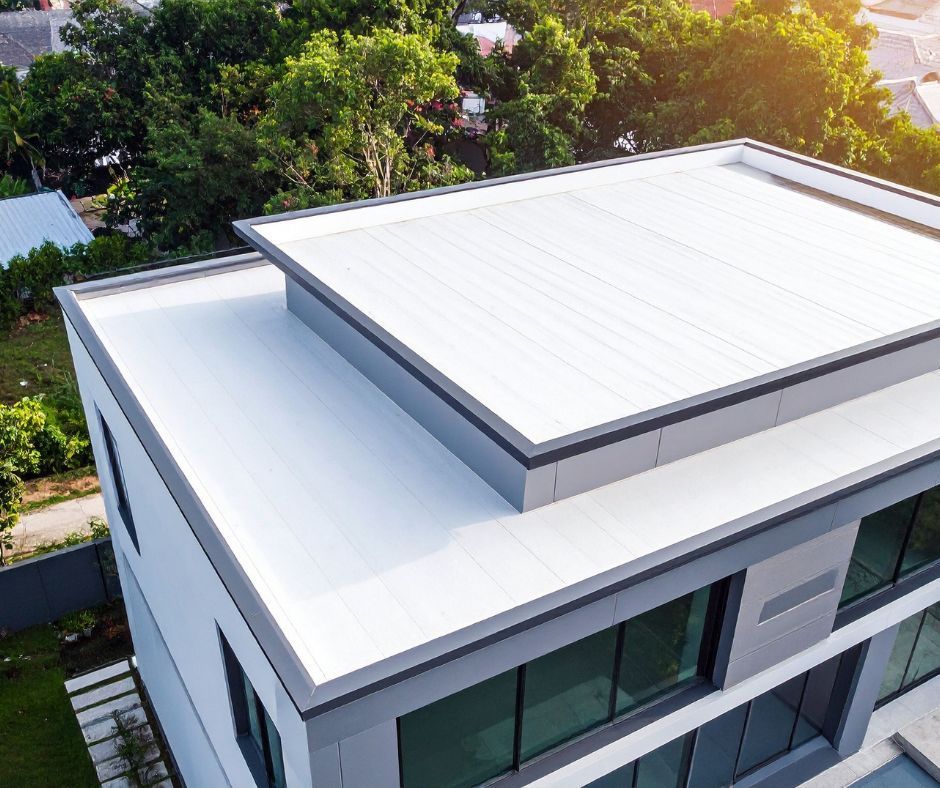
Some roof finishes bounce more solar energy back into the atmosphere. Generally, lighter colours and specific reflective coatings absorb less heat, which helps reduce the temperature of the roof surface on hot days.
Releases heat efficiently (doesn’t “hold” heat in the roof space)
A roof can also perform better when it sheds the heat it does absorb, especially when roof ventilation and the right insulation setup prevent heat from lingering above your ceiling line.
Why it matters in Australia
Across coastal NSW, summer heat and humidity can be relentless. A hotter roof can mean a hotter ceiling cavity, which increases the load on your HVAC and makes upstairs rooms feel stuffy. Over time, that can also put extra strain on ducting, insulation performance, and everyday comfort.
Bonus: when a roof surface runs cooler, it can support better solar performance in a broad sense. Solar panels generally prefer lower operating temperatures, and reducing heat stress around the roof helps the overall setup.
The Real Drivers Behind Energy-Efficient Roofs
Materials matter, but these are the factors that typically make the biggest difference in real homes around Newcastle, Lake Macquarie, and the Central Coast.
Roof colour (light vs dark)
In most sunny conditions, lighter roofs reflect more heat and tend to run cooler. Darker roofs typically absorb more solar energy, which can raise roof-surface and roof-space temperatures during summer.
That said, balance matters. In shaded homes or cooler pockets, some heat gain can be helpful, so the “best” colour isn’t always the brightest white. A good roofer will talk you through your home’s orientation, shading, and how you use the space (e.g., working from home upstairs vs only sleeping there).
Insulation (roof/ceiling)
Insulation is what slows heat transfer into living spaces. You can have a reflective roof, but if your ceiling insulation is thin, missing, compressed, or poorly installed, your comfort gains can be limited.
Think of it like this: the roof finish influences how much heat enters the roof cavity, and insulation influences how much of that heat makes it into bedrooms and living areas. Both matter, but insulation is often the unsung hero.
Ventilation + heat management in the roof space
Heat rises. If hot air gets trapped in the roof cavity, it can radiate down into your ceiling for hours, even after the sun drops.
Practical ventilation examples you’ll often see on local homes include:
- Ridge vents (let heat escape along the roof peak)
- Whirlybirds (wind-driven vents that help draw hot air out)
- Eave vents or soffit vents (let cooler air enter, supporting airflow through the cavity)
Roof design details (eaves, pitch, orientation)
Small design details can have an outsized impact:
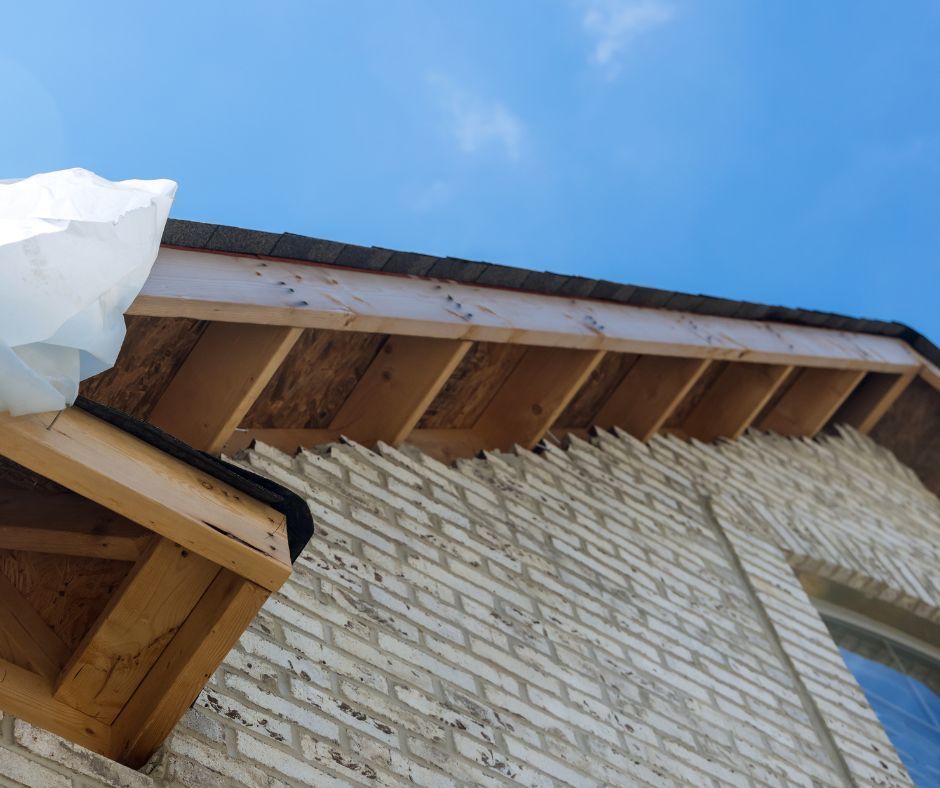
- Eaves and shading reduce direct sun on walls and windows, lowering indoor heat gain.
- Pitch and orientation affect how much roof area is exposed to harsh afternoon sun.
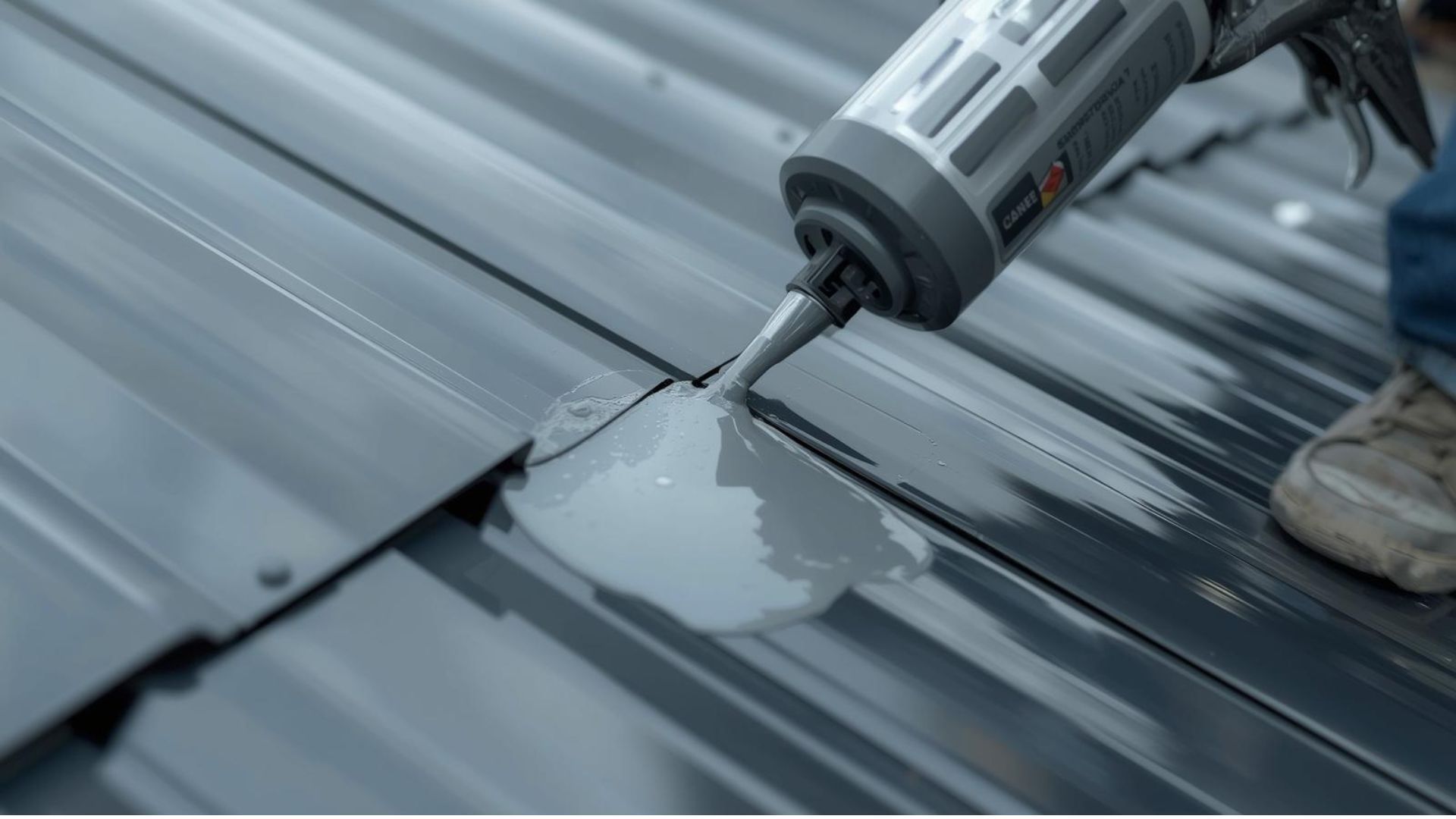
- Skylights, vents, and penetrations need proper sealing; gaps can undermine performance and invite draughts, dust, and moisture.
(If you suspect gaps, rust, or water entry are part of the problem, this guide on
detecting roof leaks early can help you spot warning signs before they become expensive.)
Most Energy Efficient Roofing Materials
Below is a practical look at common roofing types, what they do well, what to watch for, and who they generally suit. These comparisons will help you narrow down energy efficient roof options that suit coastal NSW conditions and your budget.
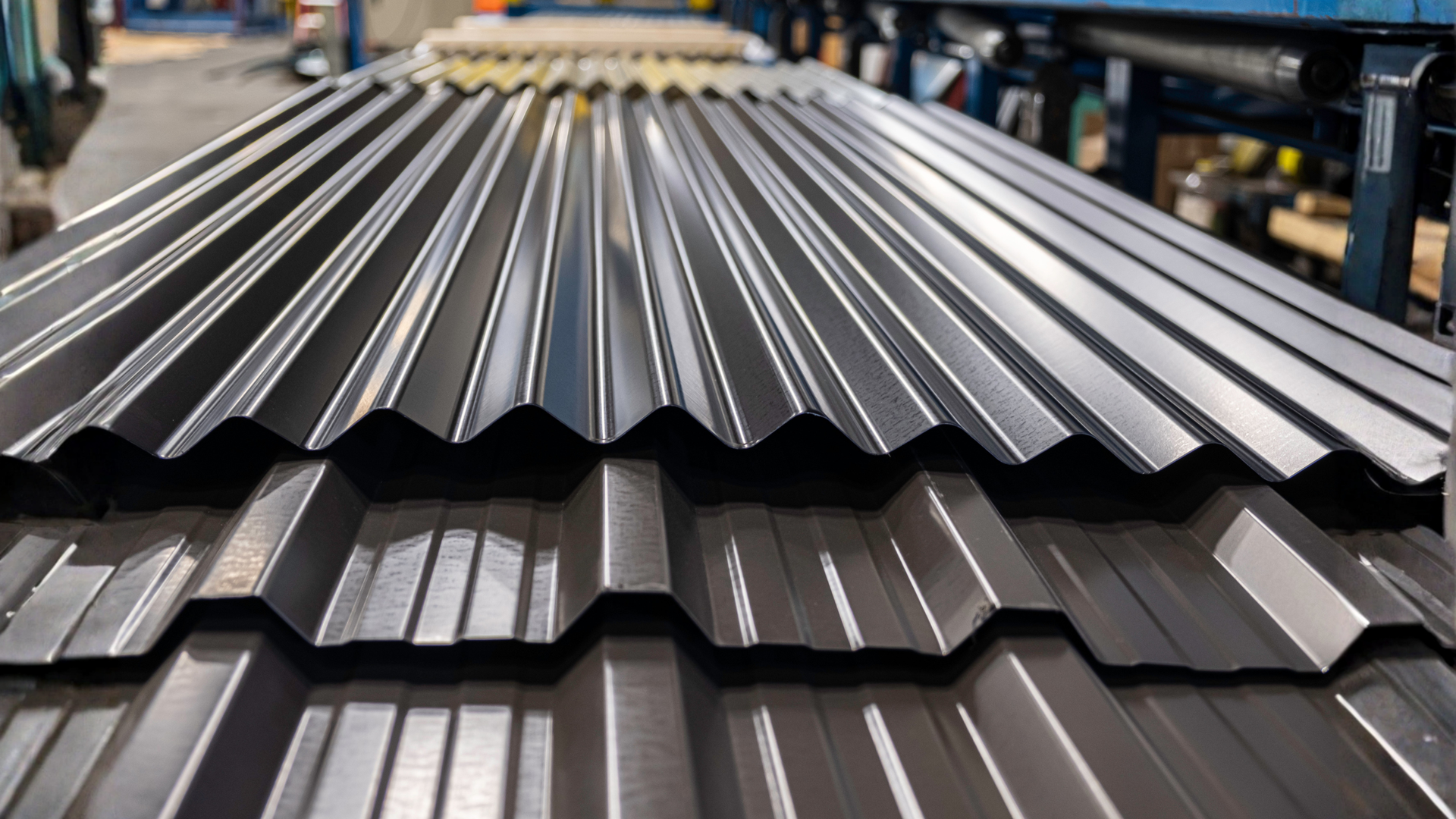
Metal Roofing (Including Colorbond-style Steel)
Why it can be efficient:
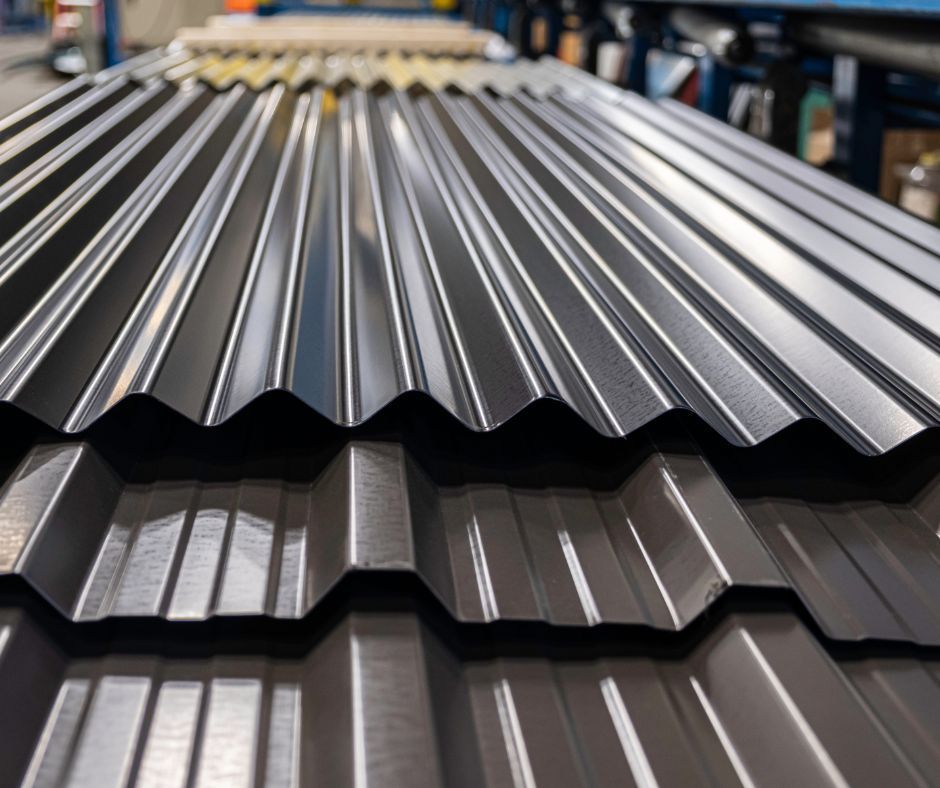
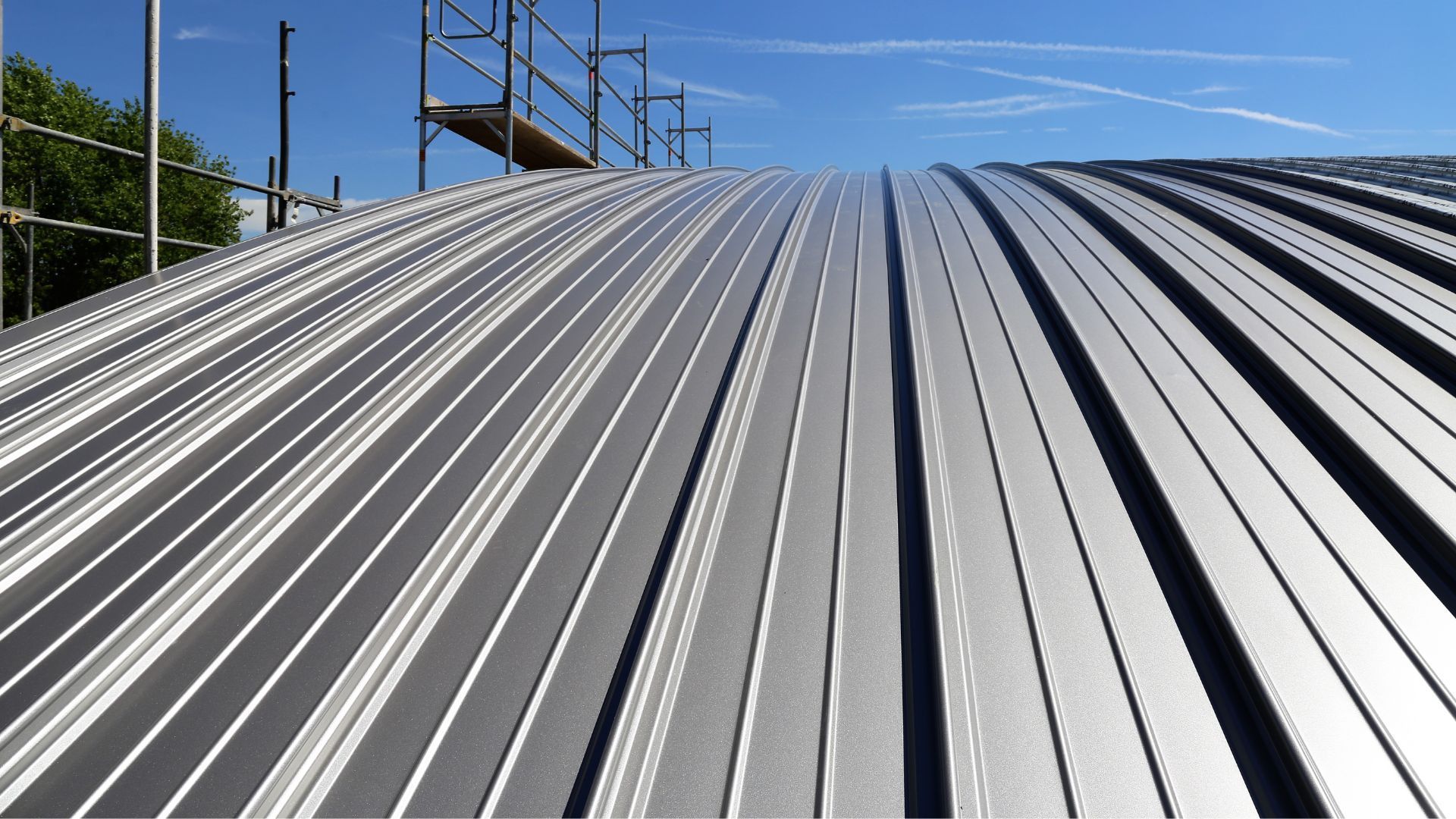
Metal roofing can be a strong performer when paired with the right colour/finish and a well-built roof system. Lighter colours and modern coatings can help reduce heat absorption. Metal is also popular for renovation projects because it’s lightweight and suits many roof designs.
If you’re weighing up steel, it’s worth browsing Colorbond roofing in Newcastle to see how material choice, finish, and installation details come together as a complete system.
Watch-outs:
Metal performance depends heavily on the whole build-up, insulation, sarking, ventilation, and workmanship. If those elements are missing or poorly executed, metal can transfer heat into the roof space quickly on hot days.
Best for:
Homeowners upgrading to a modern roof system, people who want a clean contemporary look, and anyone prioritising longevity and low maintenance, provided the build details are done properly.
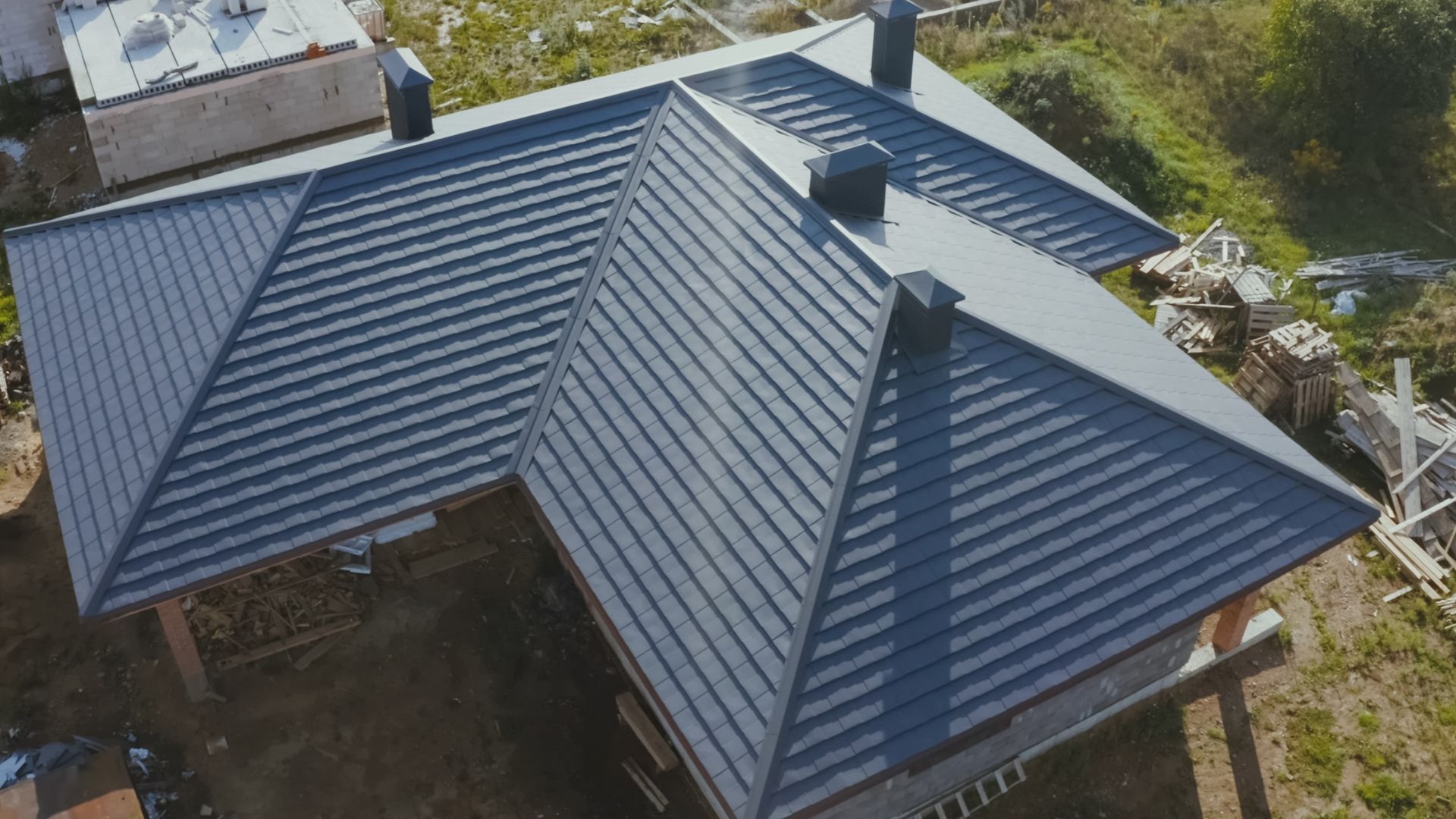
Tile Roofing (Concrete/Terracotta)
Strengths:
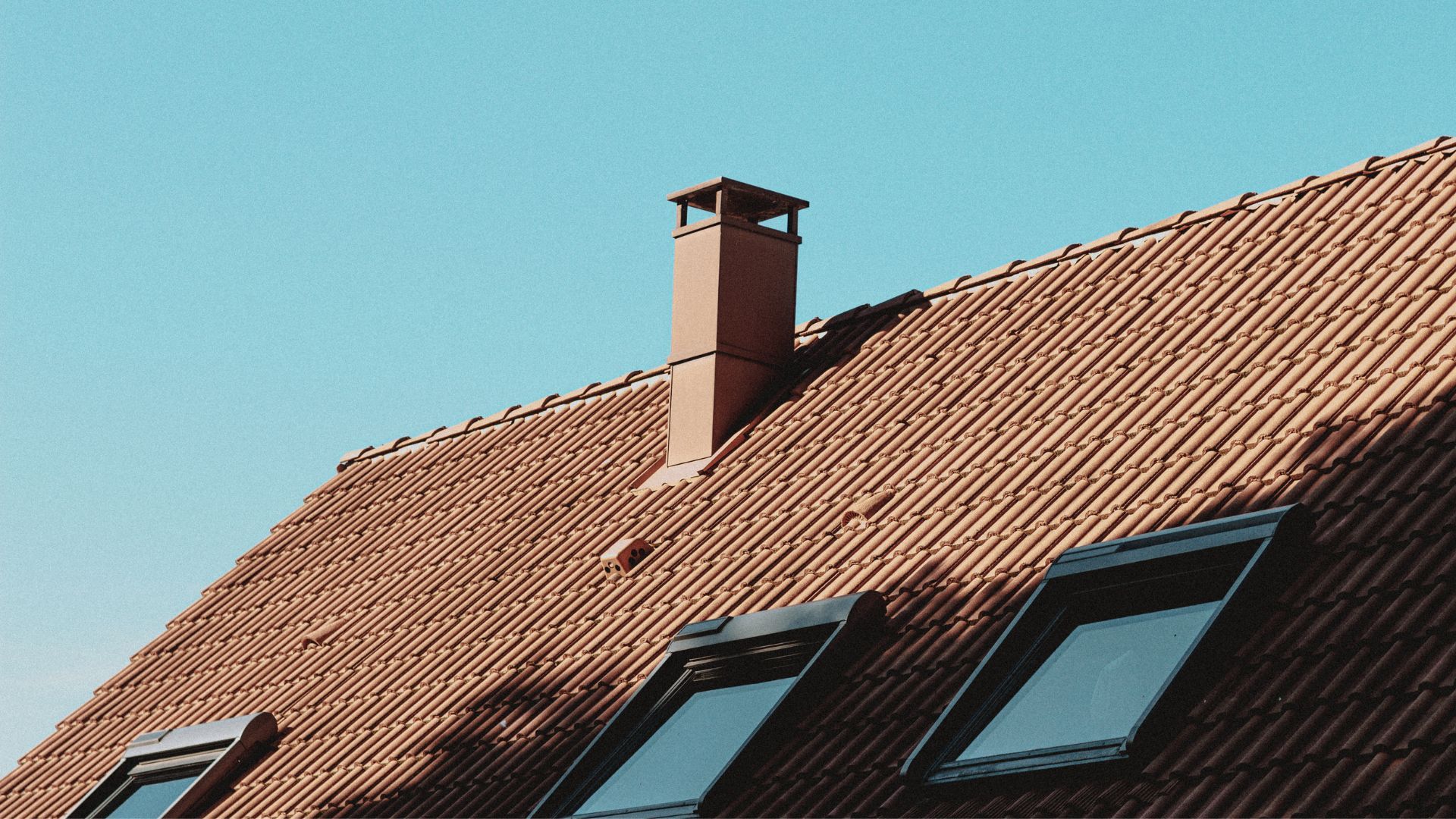
Tiles have natural thermal resistance, and the overlapping layout can create small airflow pathways that help with heat management. Many coastal NSW homes also like tiles for their look and the way they suit certain architectural styles. If you’re unsure whether your tile roof is nearing the end of its life, this post on how often tile roofs need replacing is a useful reference.
Watch-outs:
Tiles are heavier than metal and may require structural considerations depending on the home. Repairs can also be more involved if cracking or movement occurs over time.
Best for:
Homes where weight and structure are suitable, and owners who prefer the traditional tile look, especially when combined with good ceiling insulation and sensible roof-space ventilation.
Asbestos Roofing
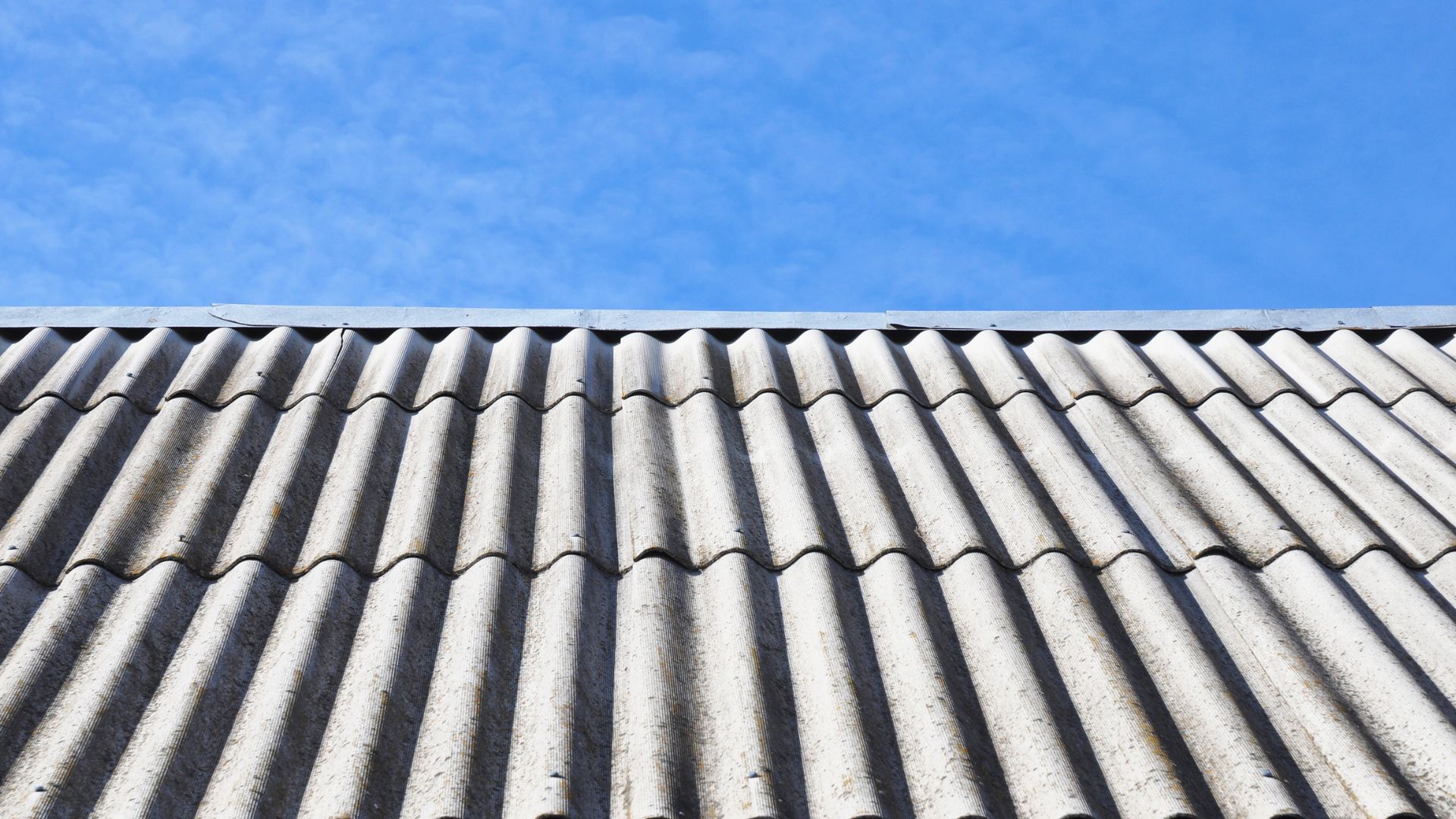
Asbestos cement roofing was used on many older Australian homes, sheds, and garages, so it may still exist on properties around the Hunter and Central Coast.
Energy-efficiency angle (handled carefully):
Asbestos cement sheeting can provide basic thermal performance because it’s cement-based, but it’s not a modern efficiency solution, and energy performance should never outweigh health and compliance considerations.
Critical safety note:
Do not cut, sand, drill, scrape, or pressure-wash any material you suspect may contain asbestos. If you’re unsure, treat it as asbestos until assessed.
Best practice guidance:
If a roof is suspected to contain asbestos, the safest path is a licensed assessment and, if required, licensed removal and replacement in line with NSW regulations. If you’re in the Newcastle region, start here:
asbestos roof removal in Newcastle. For a broader overview of what replacement involves, see this
property owner’s guide to replacing an asbestos roof.
Cool Roofs: A Smarter Direction for Energy Efficient Roofs in Hot Summers
The term “cool roof” gets thrown around a lot, but the idea is simple: reduce heat entering the building by choosing roof surfaces that reflect more sun and shed heat more effectively.
What a cool roof is
A cool roof is designed to reflect more solar energy and release heat efficiently, usually through a combination of:
- A lighter or more reflective roof colour/finish
- Coatings or materials engineered for higher solar reflectance
- A roof system that supports heat escape (ventilation) and heat resistance (insulation)
Benefits for homeowners
When cool-roof principles are applied properly, homeowners may notice:
- Improved comfort and less reliance on air conditioning
- Reduced roof-space temperatures (which can help upstairs rooms feel less “stuffy”)
- Potentially longer roof material lifespan due to less heat stress over time
- More stable indoor temperatures during heatwaves (better sleep, easier day-to-day living)
In coastal NSW, where hot days can come with sticky nights, reducing stored heat above the ceiling can make the home feel noticeably more liveable.
What the NCC / NatHERS / BASIX Means For Your Roof
If you’re renovating, extending, or building new, your roof decisions often intersect with compliance frameworks. Here’s the plain-English version:
NCC (National Construction Code):
Sets baseline building performance and compliance requirements. Roofing assemblies can be part of energy-efficiency pathways (including how roof colour/finish and insulation levels work together, depending on building class and climate zone).
NatHERS:
Your roof colour (solar absorptance), insulation, ventilation, and how well the roof is sealed can influence your home’s thermal performance rating, and what specs you may need to meet the target.
BASIX (NSW):
Applies to many NSW builds and renovations, and can drive requirements around thermal performance. Roofing choices can affect what you need to do to comply, especially when roof colour/finish changes the heat load.
What this means for you:
Ask your roofer/builder what compliant roofing material, insulation levels, roof colour/finish, and ventilation approach is recommended for your project type (new build vs renovation) and climate zone. The best quote isn’t just a price, it’s a plan that stacks up on comfort, durability, and compliance.
(If you’re comparing “repair vs re-roof,” this breakdown of
roof repair vs replacement can help you ask better questions before you commit.)
Residential vs Commercial: What Changes
Residential:
For homes, roof efficiency is mostly about comfort and controlling roof-space heat, especially in bedrooms and upstairs living areas. Practical considerations often include:
- Noise (rain on metal vs tile)
- Aesthetics and neighbourhood character
- Bushfire considerations were relevant (materials, ember management, maintenance)
Commercial:
Commercial buildings often have larger roof areas, so reflectance and HVAC load impacts can be bigger in absolute terms. Priorities usually shift toward:
- Lifecycle costs and maintenance planning
- Minimising disruption (access, staging, safety)
- Performance consistency across wide spans (hot spots, penetrations, drainage)
If you manage a business site, this article on commercial roof maintenance tips is a solid checklist to prevent small issues from becoming big ones.
A Simple Decision Guide to Energy-Efficient Roof Options (No Guesswork Required)
Use this as a quick checklist before you lock in colours, materials, or quotes.
Step 1: Identify your climate + biggest pain point
Start with what you actually want to fix:
- Overheating in summer (common in exposed, north/west-facing roofs and darker colours)
- Cold winters (less extreme on the coast, but still relevant in shaded homes)
- Both (many homes want better summer comfort without sacrificing winter livability)
Step 2: Pick the system (not just the sheet/tile)
Treat the roof like a package:
- Material + colour/finish
- Sarking (where relevant)
- Ceiling/roof insulation
- Ventilation strategy
- Sealing around penetrations and edges
This is where good installers separate themselves; details done right can turn an average roof into a high-performing one.
Step 3: Consider solar now or later
If you’ve got solar (or you’re planning it), mention it early. Roof colour/finish, heat build-up, and layout decisions can affect how comfortable the roof space stays and how the system integrates over time. Even if you’re “not ready yet,” it’s smart to avoid choices that make solar harder later.
Step 4: Get an inspection
Every roof has quirks, older battens, uneven rafters, limited eave ventilation, previous leak repairs, boxed gutters, and tricky valleys.
Adapt Roofing offers free inspections and quotes across Newcastle, Lake Macquarie, and the Central Coast. If you want clarity on what will actually work for your roof shape, ceiling space, and budget, the simplest next step is to get in touch here.
If you’re not sure whether you’re in the service area, you can quickly check our local coverage for Newcastle suburbs we service,
Lake Macquarie suburbs we service, or
Central Coast suburbs we service.
Installation And Maintenance Tips That Protect Efficiency Long-Term
Even the best materials won’t perform well if the installation is rushed or if maintenance is ignored.
Don’t skip ventilation + insulation details
These two are often the difference between:
- “The roof looks great, but the house is still hot,” and
- “We noticed the comfort change straight away.”
Ask what ventilation approach is recommended (and why), and how insulation will be protected from compression, gaps, and moisture.
Gutters and water management (often overlooked)
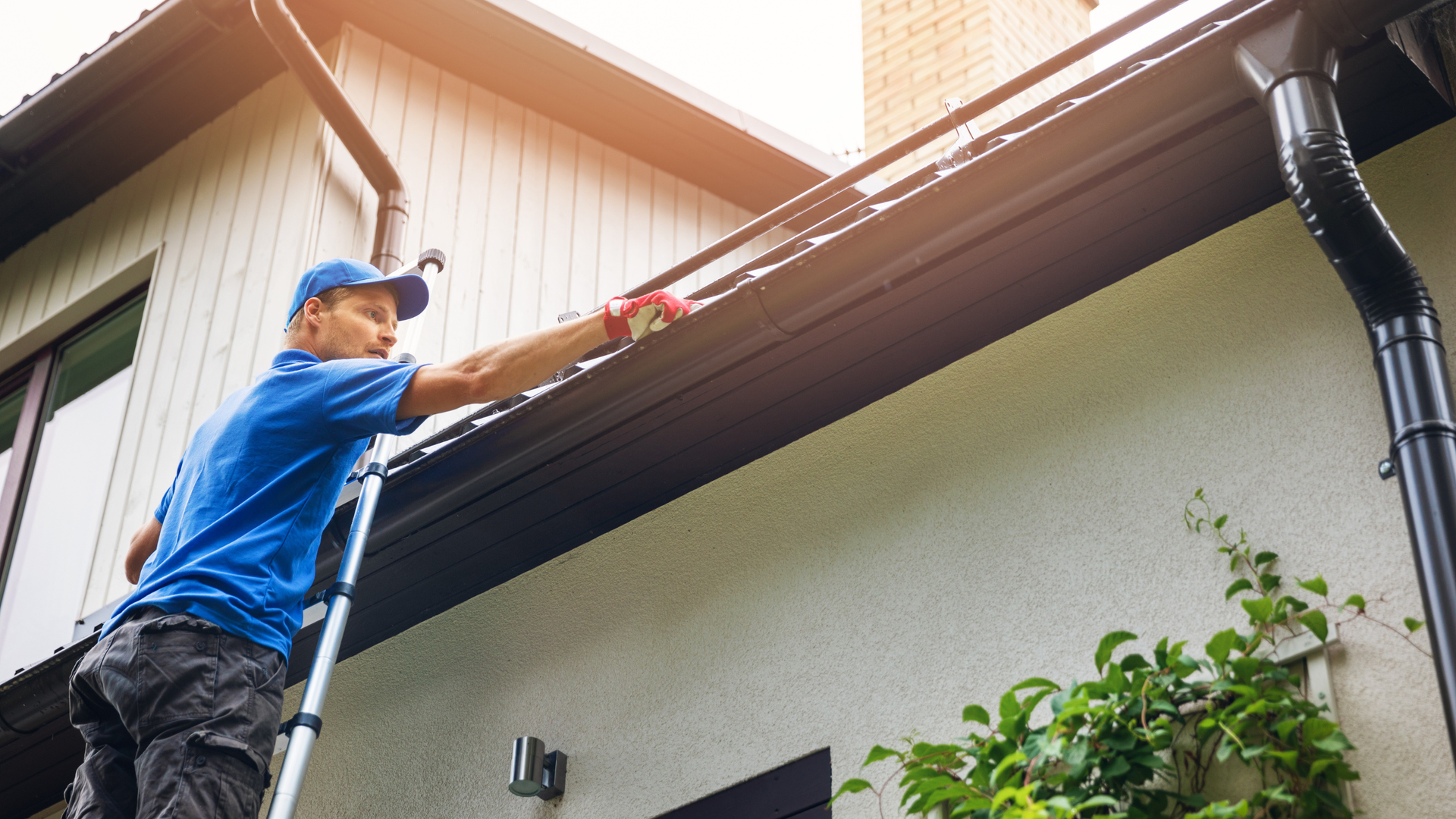
Blocked gutters, overflowing valleys, and leaking box gutters can damage roof components and ceiling spaces, eventually undermining comfort and performance. Good drainage is part of roof health, not just storm preparedness.
If you’re not sure what “warning signs” look like, this post on when to replace gutters is a handy guide, especially for leafy streets and coastal wind events.
Repairs matter
Small issues become big ones:
- A minor leak can dampen insulation and reduce its effectiveness
- Rusted flashings or lifted tiles can let heat and moisture move where they shouldn’t
- Poor seals around penetrations can create draughts and dust entry
If your home suddenly feels hotter than it used to, it’s not always the aircon; sometimes the roof has quietly degraded. If you think damage might be involved, start with roof repairs in Newcastle or roof repairs in Lake Macquarie. And if it’s storm-related, read this first: repairing storm-damaged roofs the right way.
Conclusion
A high-performing roof is rarely “just a product choice.” The best results come from aligning the material and finish with the right insulation, ventilation, and design details, suited to your home and local conditions.
If you’re unsure what suits your roof shape, budget, and comfort goals, book a free inspection with Adapt Roofing and get options tailored to your home in Newcastle, Lake Macquarie, or the Central Coast. You can request a quote or ask a question via the contact page here.
Key Takeaways
- The best roof for efficiency depends on your climate and the whole roof system, not just the material.
- Lighter/reflective finishes often reduce summer heat gain, but balance matters in cooler or shaded homes.
- Insulation and ventilation can be the difference between a “hot roof” and a comfortable home.
- Cool-roof approaches can improve comfort and reduce cooling demand, with wider community benefits.
Frequently Asked Questions
What is the most energy-saving roofing material in Australia?
There isn’t a single winner for every home. The most efficient outcome usually comes from matching the material and roof finish to your climate, then getting insulation and ventilation right. A well-designed metal or tile roof system can perform strongly when the details are done properly.
Is a metal roof more energy efficient than tiles?
It can be, especially with a lighter, reflective finish and a well-designed insulation/ventilation setup. Tiles can also perform well due to their thermal characteristics and airflow pathways. In practice, installation quality and the overall build matter more than the material category alone.
Does roof colour really make a difference to energy bills?
Yes, roof colour can influence how much heat your roof absorbs, which affects roof-space temperatures and cooling load. The biggest difference is usually felt in summer, particularly in upstairs rooms and homes with limited roof ventilation.
What is a “cool roof”, and is it worth it for homes?
A cool roof reflects more sun and releases heat more effectively. For many homes in hot, sunny conditions, cool-roof principles can improve comfort and reduce reliance on air conditioning, especially when paired with good insulation and ventilation.
How do insulation and roof ventilation affect energy efficiency?
Insulation slows heat transfer into living areas. Ventilation helps remove hot air trapped in the roof space. Together, they reduce heat build-up and can make the home feel more stable through hot days and warm nights.
Will an energy efficient roof improve solar panel performance?
Potentially, in a broad sense. Cooler roof conditions can support a healthier environment for roof-mounted systems, and solar panels generally prefer lower operating temperatures. It’s not the only factor, but it’s worth considering during planning.
Do I need to consider NCC / NatHERS / BASIX when choosing roofing?
If you’re building new, renovating, or doing certain upgrades in NSW, yes. These frameworks can influence what roof colour/finish, insulation levels, and system details are required to meet compliance and performance targets.
How long does an energy efficient roof take to “pay back” through savings?
Payback varies widely based on your home, how often you run heating/cooling, electricity prices, and what upgrades are included (e.g., insulation and ventilation). The most reliable “payback” many owners notice first is improved comfort, then savings may follow over time.
(If you’re budgeting, you may find this overview helpful: how much a roof replacement can cost.)
What’s the best energy smart roofing option for a low-maintenance home?
Low-maintenance outcomes usually come from durable materials paired with good water management and correct installation details (flashings, valleys, ventilation, sealing). The best choice depends on your home style and exposure; coastal salt air, nearby trees, and storm patterns all play a role.
If Colorbond is on your shortlist, you might also like our guides on Top 10 Colorbond roof benefits and Colorbond roof installation cost factors.
Can I improve energy efficiency without a full roof replacement (repairs, insulation, ventilation upgrades)?
Often, yes. In many homes, improving ceiling insulation, upgrading ventilation, sealing gaps, and fixing roof issues (leaks, broken tiles, deteriorated flashings) can deliver noticeable comfort improvements, sometimes before a full replacement is needed.
If you’re weighing up next steps, this guide on roof repair vs replacement can help you decide what’s worth doing now.