What Type Of Sealant For Metal Roof: A Homeowner’s Guide for Newcastle, Lake Macquarie and the Central Coast
If you’ve ever watched a “quick bead of sealant” turn into a repeat leak, you already know why this matters. The wrong product (or the right product in the wrong place) can fail early, look messy on a visible roofline, and in some cases create compatibility issues with coatings or accelerate corrosion around vulnerable edges and fixings.
This guide answers the big question: What type of sealant for a metal roof? So you can make a confident decision before anyone starts applying the product across your roof. It’s written to help homeowners choose the right approach and ask the right questions (especially in high-UV, coastal-exposed areas like Newcastle, Lake Macquarie, and the Central Coast). It’s not a DIY repair tutorial, and it won’t encourage risky work at height.
If you’re already dealing with stains, drips, or “it only leaks in wind-driven rain,” it’s worth reading our guide on
how to detect roof leaks early before you commit to any sealing approach.
Choosing A Roof Sealant For Metal Roof That Suits Real-World Conditions
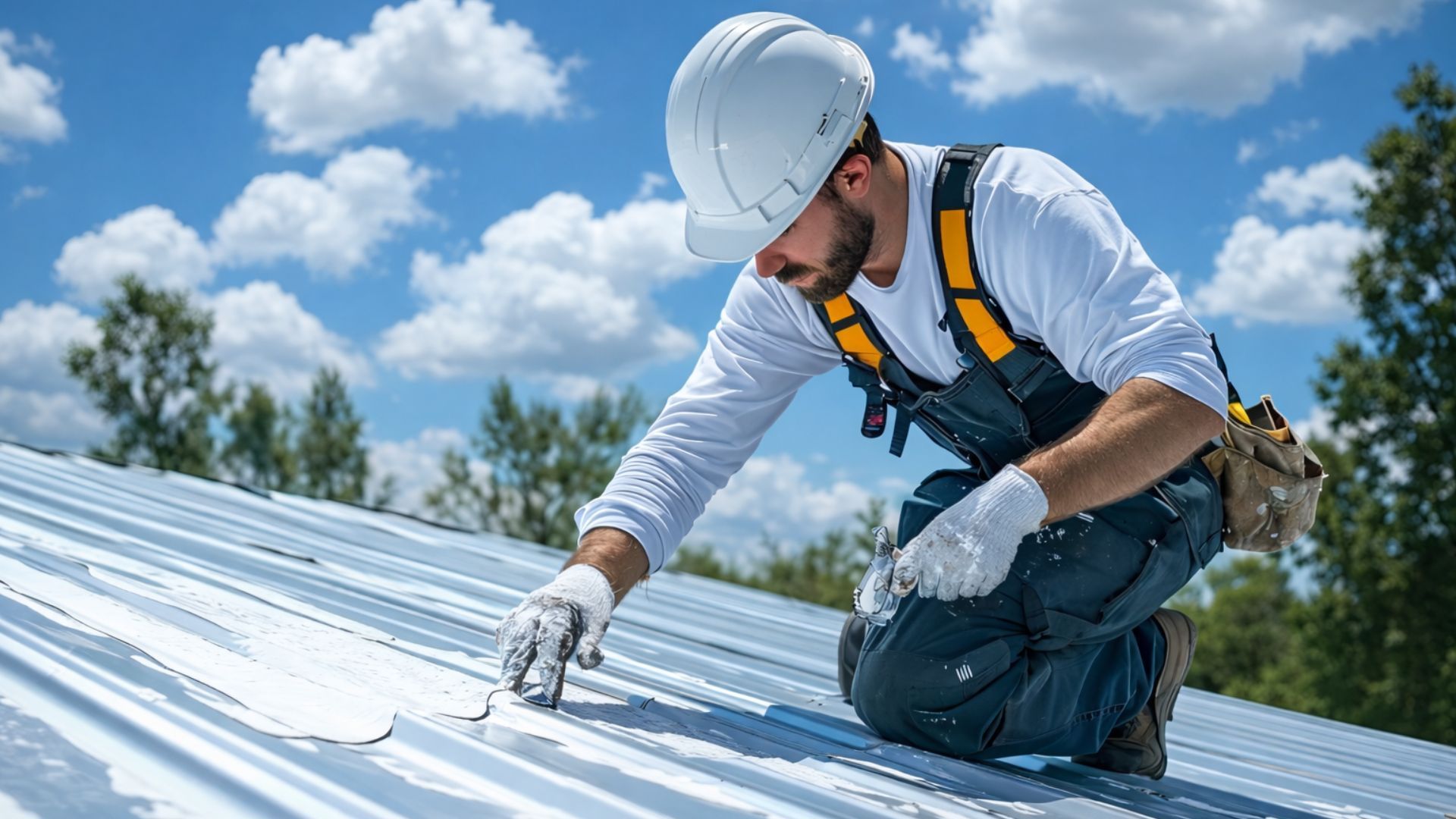
Metal roofs rarely “leak in the middle of a sheet.” Most issues show up at the details, laps, penetrations, terminations, gutters, and fasteners, where water can track, wind can drive rain sideways, and movement can open up tiny gaps over time.
For most homes, the “best” option depends on three practical things: the roof system, the location you’re sealing, and your exposure (sun, salt, and temperature swings).
Identify the roof system (standing seam vs screw-fixed/corrugated, etc.)
Start here, because the roof system tells you how much movement and joint design you’re dealing with.
- Standing seam roofs are designed to move. Panels expand and contract, so the sealing strategy must stay flexible and avoid tearing or debonding.
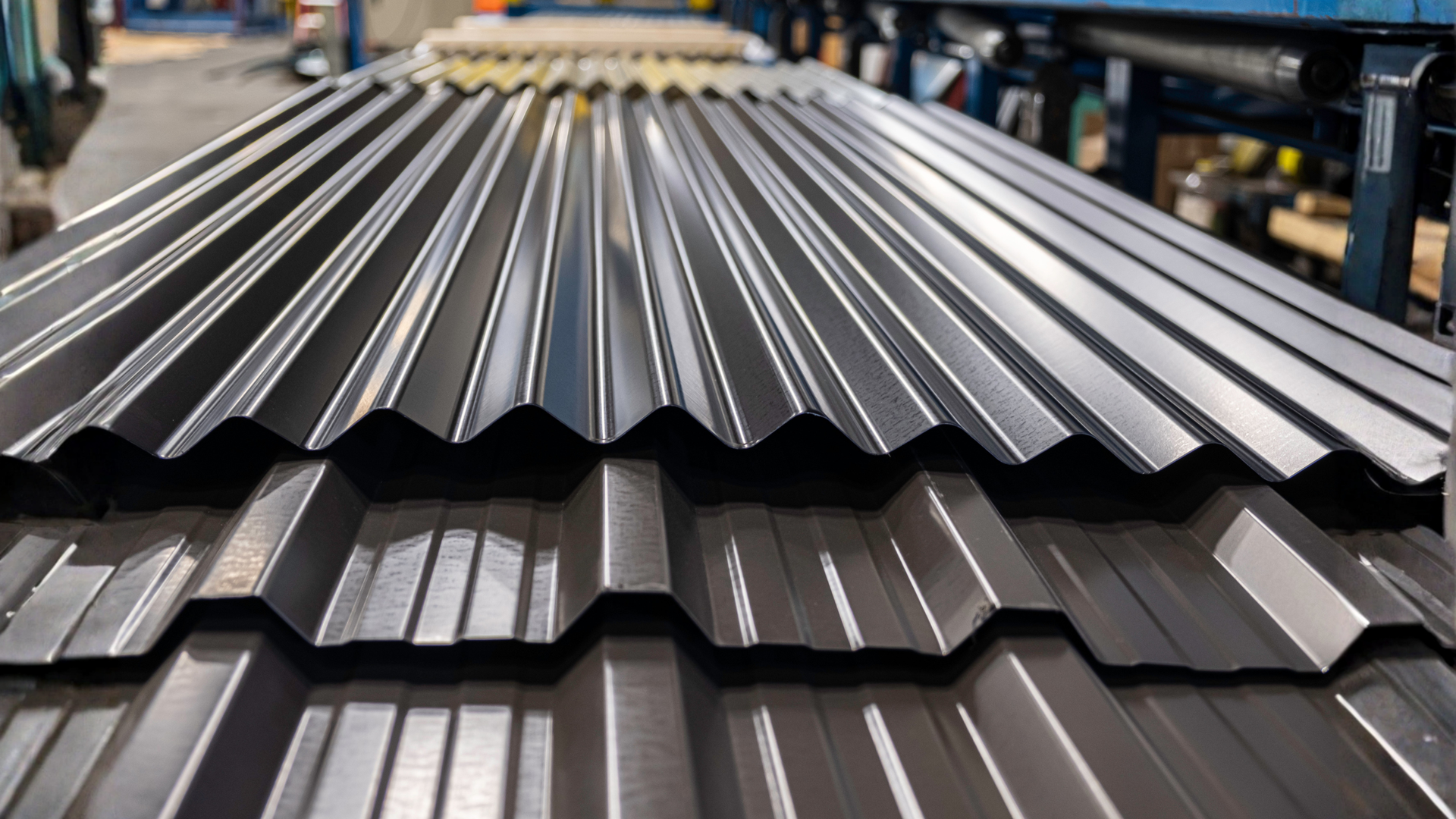
- Screw-fixed/corrugated roofs rely on laps, fasteners, washers, and correct flashing. Sealant is often used as a supporting layer at specific joints, not as the main waterproofing method.
If you’re unsure what system you’ve got (or you’ve inherited a mix of old and new sections), that’s where an inspection helps. It’s exactly what our local teams do every day through roof repairs in Newcastle, roof repairs in Lake Macquarie, and roof repairs on the Central Coast.
Common locations that may require sealing
Sealant is typically used where water has an opportunity to track back, pool, or get pushed by wind-driven rain. Common examples include seams, penetrations, and transitions where different components meet.
You’ll often see sealing considered in places like:
- Seams/laps (side laps and end laps, where specified)
- Penetrations (pipes, vents, skylights, antenna mounts)
- Trims/flashings (apron flashings, barge capping, side flashings)
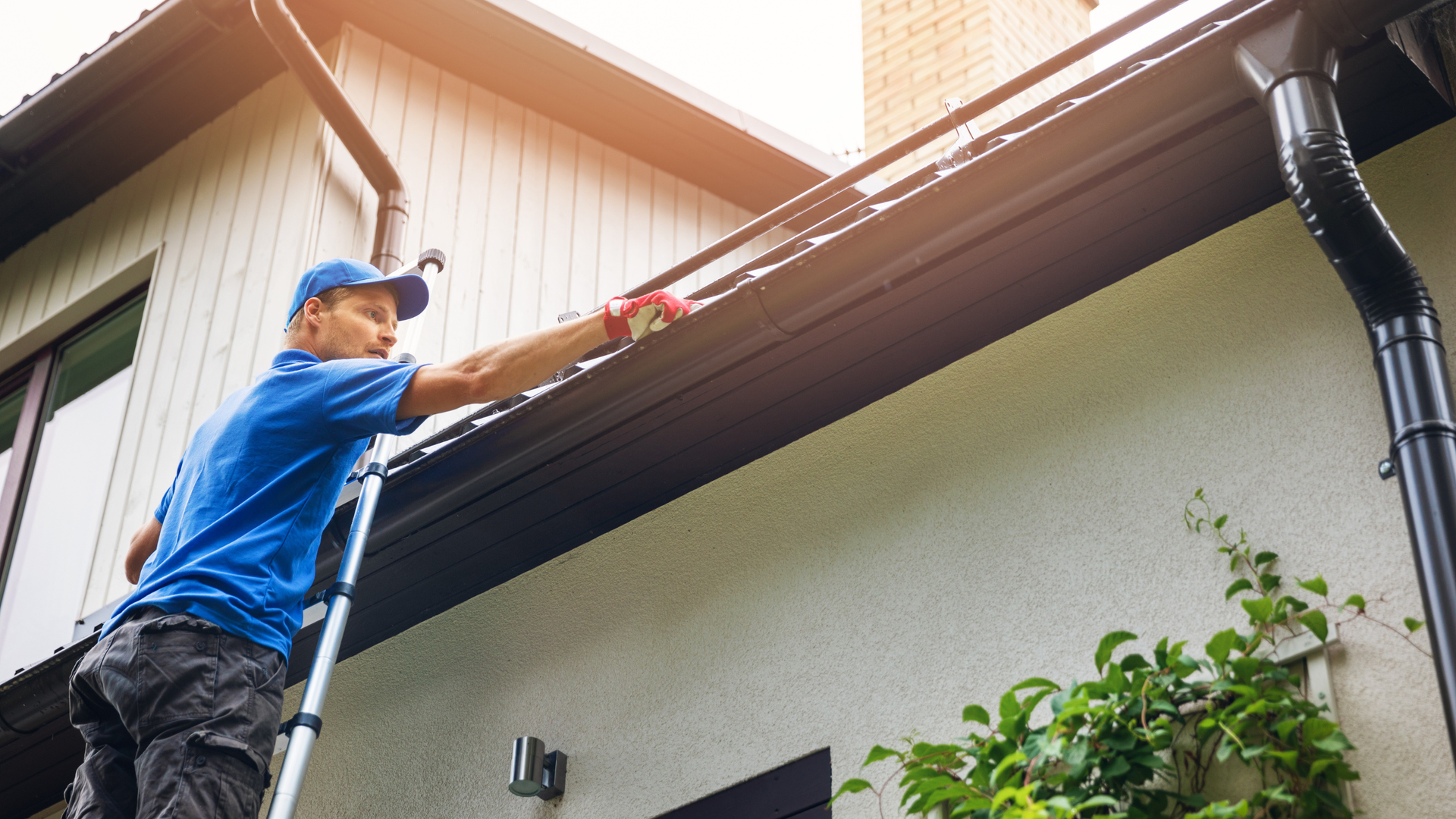
- Gutter interfaces (roof-to-gutter junctions, sumps, rainheads)
- Select fastener areas (only where it makes sense, even as a blanket “cover-up”)
If someone proposes sealing “everything” without walking you through which locations and why, that’s a signal to slow the job down and ask better questions.
Exposure profile (coastal, high UV, large temperature swings)
In Newcastle, Lake Macquarie, and the Central Coast, roofs face conditions that can be harsh on sealants and joints:
- High UV can degrade exposed sealant beads faster than homeowners expect.
- Thermal cycling (hot days, cooler nights) constantly expands and contracts metal, stressing joints.
- Coastal air near beach and lakefront suburbs can increase corrosion risk around cut edges, fixings, and poorly detailed transitions.
This is also why gutters and roof drainage matter more than most people realise; overflow and backflow can make a “sealant problem” look worse than it is. If you suspect the leak is tied to stormwater handling, this article on
when to replace gutters before they cause bigger repairs is a useful next read.
Understanding Each Metal Roof Sealant Type (And What It’s Best At)
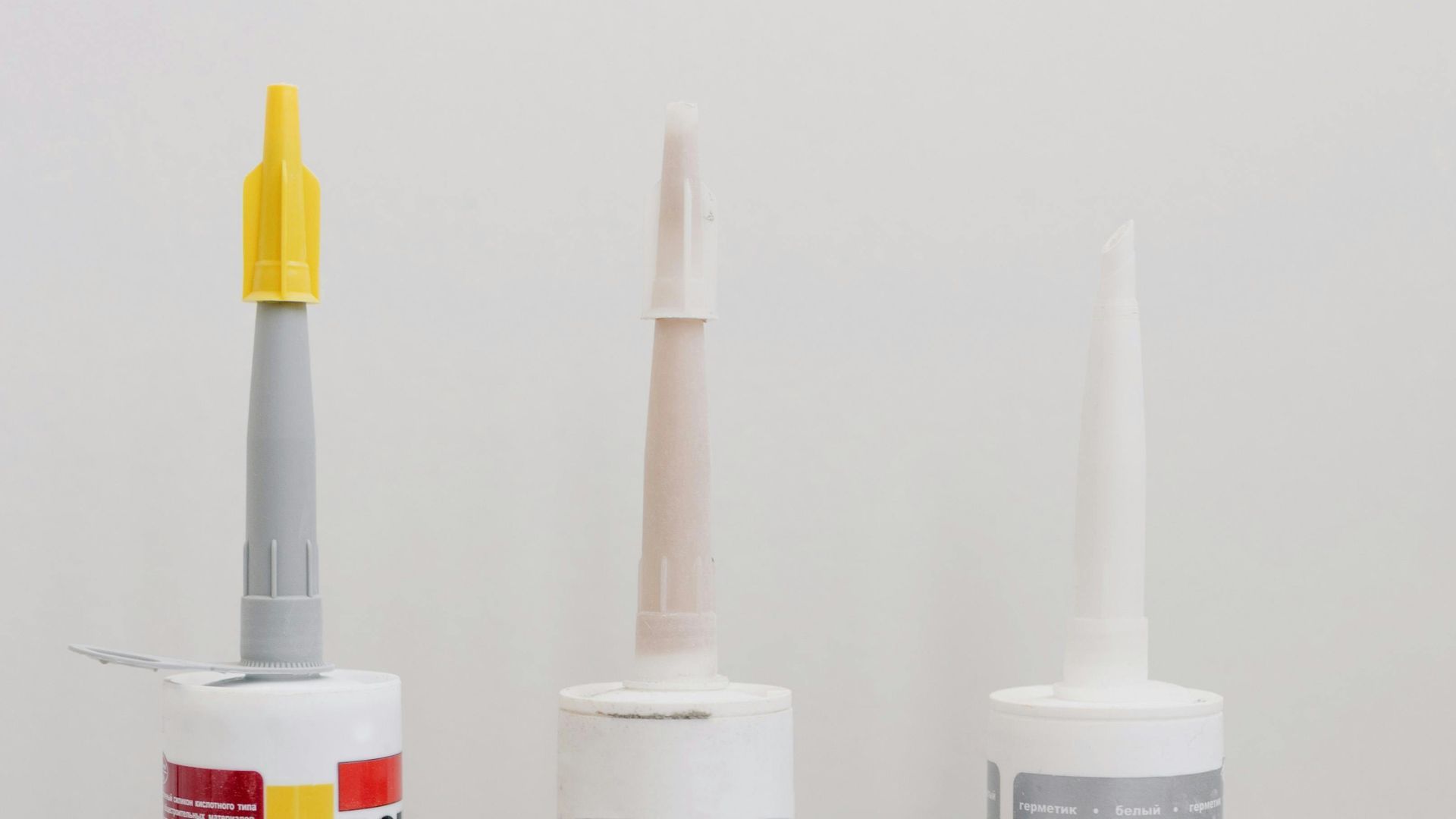
There isn’t one universal product that suits every detail. Pros usually match the chemistry and the format (tape vs gun-applied) to the joint, roof finish, and environment. If you’re comparing options, think less about “best brand” and more about “best fit for the detail.”
Neutral cure silicone (often preferred for metal roofing)
For many coated steel roofs, neutral cure silicone is commonly selected because it handles UV and movement well when installed neatly on a clean, compatible surface.
Strengths that make it popular:
- Strong adhesion to many metal and coated steel surfaces
- Excellent UV resistance for exposed conditions
- Flexible, better suited to movement than rigid products
Limitations to keep in mind:
- Not always paintable (and even paintable versions require the right prep)
- Appearance matters; messy beads can look rough and collect dirt
- Placement is critical; exposed sealant can age faster than sealant protected within a joint
If your roof is a modern coated-steel finish, you may also want to browse our Colorbond service pages to understand the broader system (flashings, gutters, and accessories), not just the sealant: Colorbond roofing in Newcastle and Colorbond roofing on the Central Coast.
Butyl tape (tape sealant) vs gun-grade sealant (cartridge/caulk)
Homeowners often assume “sealant” means a tube and a caulking gun. In metal roofing, tape sealants are extremely common for the right joint types because they act like a consistent gasket when compressed between surfaces.
Gun-applied sealant is typically chosen for:
- Penetrations and irregular shapes
- Flashing edges and transitions
- Gutter joints and interfaces where shaping matters
Butyl tape is typically chosen for:
- Laps where you want a uniform seal line
- Under flashings/closures where compression helps the seal
- Areas where keeping sealant protected (not exposed to UV) improves longevity
In practice, many professional repairs use both: tape in compressed overlaps, gun-grade sealant where you need precision around changes in direction or shape.
Polyurethane sealants
Polyurethanes can be a strong performer in the right application, often offering tough adhesion and durability. Some are paintable, which can help with visible repairs, provided the product is compatible with the roof finish and the repair design.
A few realities worth knowing:
- Product performance varies a lot between brands and formulations
- Some applications may require primers or strict surface prep
- Flexibility and outdoor ageing depend on the product and where it’s placed
This is usually an installer-led decision, and the “best” polyurethane is the one that matches your roof finish and detail type, not the one with the loudest marketing.
Acrylic/water-based options (usually more limited on metal roofs)
Acrylic and water-based products can have a place in specific, controlled scenarios, but they’re often not the first pick for long-term exposed metal-roof detailing, particularly in high-UV or coastal environments.
If they’re being suggested as the primary solution for active leaks on exposed roof planes, ask why, and what the expected lifespan and maintenance plan looks like.
How To Choose The Right Sealant For Your Roof
You don’t need to memorise trade names to make a smart decision. You just need a short checklist that connects the sealant choice to your roof’s reality, finish, detail type, and local exposure.
Here’s what to weigh up:
- Roof material/finish: Coated steel finishes and painted systems need compatibility, clean adhesion, and a plan for paintability if required.
- Location factors: coastal corrosion risk, high UV exposure, and thermal cycling all influence longevity.
- Detail type: laps vs penetrations vs terminations vs gutter interfaces, each need different approach.
- Aesthetics: visible areas may call for colour-matched options and neat detailing to avoid streaking and dirt tracking.
- Maintenance expectations: sealant may need renewal before the roof does, so inspection should be part of routine roof care.
If you want a plain-English shortcut: choose a roof sealant for metal roof applications based on the detail, not the convenience of the tube.
Also, if your roofer mentions selecting a metal roof sealant type specifically for your suburb’s exposure (coastal winds, full-day sun, or heavy storm run-off), that’s usually a good sign; they’re thinking beyond a one-size-fits-all fix.
To build a realistic maintenance rhythm (including how often to check key junctions), our guide on how to maintain a roof is a helpful companion read.
Where Sealant Fits and Where It’s the Wrong Fix
Sealant is not a substitute for correct flashing, laps and fixings
The best way to think about sealant is as a secondary defence. It supports a correctly built system; it shouldn’t be the only waterproofing strategy.
A roof detail should already be doing the heavy lifting through:
- Correct laps and sheet layout
- Proper fixings and washers in the right locations
- Correctly installed flashings and terminations
- Drainage that moves water away (not into junctions)
When those fundamentals aren’t right, sealant becomes a temporary patch, not a long-term solution. If you’re weighing up “patch now” versus “do it properly,” this post on roof repair vs replacement can help you understand the trade-offs.
Red flags that require inspection
Some issues are telling you the roof needs a proper diagnosis, not another spot-seal.
Watch for:
- Leaks that return after rain (especially in wind-driven rain)
- Rusting around fasteners, laps, or cut edges
- Wet insulation, musty odours, or stained ceilings
- Failed penetrations (cracked boots, loose flashings, movement gaps)
- Storm damage (lifted sheets, punctures, impact dents)
If the leak started after wild weather, our guide on repairing storm-damaged roofs the right way is worth a skim before anyone reaches for a tube.
The long-term view (maintenance + re-inspection)
Even high-quality sealants don’t always last as long as the roof sheets. Movement, UV, and water flow gradually wear them down, especially where beads are exposed.
A sensible approach is to treat sealing as part of roof maintenance:
- periodic inspections (especially after major weather)
- checking penetrations, flashings, and gutter junctions
- renewing seals before small issues become big repairs
If you’re seeing repeat symptoms and want to understand the likely causes, this article on
what causes roof leaks explains the most common culprits in plain English.
What to Ask Your Roofer Before They Choose a Sealant
Use these questions to keep the conversation practical and specific (and to avoid a generic product being used where it doesn’t belong):
- Is the sealant compatible with my roof finish (e.g., Colorbond/Zincalume) and local exposure conditions?
- Where will it be placed? Will it be protected from UV where possible and detailed neatly?
- Are you using tape vs gun sealant at specific joints, and why?
- Will the repaired area need painting now or later (paintability considerations)?
- What warranty/workmanship coverage applies?
A good roofer won’t just name a product; they’ll explain how the detail will be rebuilt or supported so the sealant isn’t doing the entire job alone. (If you’d like to know who you’re dealing with before you book, you can also read
about
Adapt Roofing.)
Common Mistakes That Create Leaks or Premature Failures
A lot of sealant failures come down to the same avoidable habits. These are the ones we see most often on metal roofs:
- Approving a “generic silicone” without confirming neutral cure on coated steel
- Over-relying on sealant instead of correct detailing/flashings (sealant is a secondary defence)
- Leaving sealant exposed where avoidable (UV + dirt tracking/run-off issues)
- Skipping prep (dust, oxidation, old residue), which prevents proper adhesion
- Not budgeting for periodic inspection/maintenance around penetrations and junctions
One commonly missed culprit: gutters and downpipes. If overflow is dumping water where it shouldn’t, sealing the roof detail can treat the symptom. For drainage fixes, see
gutter repairs in Newcastle.
Conclusion
Choosing the right sealant isn’t about finding a single miracle product. It’s about matching the roof finish, the joint location, and the exposure conditions, and making sure the detail is built correctly so sealant supports the system.
If leaks are recurring, if you’re seeing rust around fixings, or if the roof is older and showing multiple weak points, a professional assessment is typically more cost-effective than repeated spot sealing.
Adapt Roofing is a family-owned business servicing Newcastle, Lake Macquarie, and the Central Coast, with 25+ years’ experience, and a team that’s fully licensed and insured. We offer roof inspections and leak assessments to confirm whether sealing is appropriate, or whether repairs (or replacement) will give you a better long-term result, backed by workmanship guarantees.
Ready to get clarity? Book an inspection via our contact page, and we’ll help you choose the most sensible fix for your roof.
Key Takeaways
- Neutral cure silicone is commonly recommended for coated steel finishes like COLORBOND/ZINCALUME.
- Tape vs gun-applied sealant depends on the joint and detailing; there isn’t one product that suits every location.
- Sealant supports the roofing system; it’s not a substitute for correct flashing, waterproofing, and proper installation.
- If leaks persist, inspection is usually more cost-effective than repeated spot sealing.
Frequently Asked Questions
What type of sealant is best for a Colorbond metal roof?
In many cases, roofers look for a neutral cure silicone that’s compatible with coated steel, then apply it neatly where it’s effective (and preferably protected). The “best” choice still depends on the detail and exposure. If your roof is due for broader work, you can also review Colorbond roofing in Newcastle or Colorbond roofing on the Central Coast.
What’s the difference between neutral cure silicone and “acid cure” silicone on metal roofing?
Acid-cure silicones release acidic by-products during curing, which can be a poor match for metals/coatings. Neutral cure silicones are typically selected for better compatibility on coated steel roofing.
Is butyl tape better than silicone for metal roof laps?
Often, for the right lap detail. Tape can be compressed between sheets for a consistent seal and reduced UV exposure. Silicone is still commonly used for transitions and penetrations.
Where should a roofer apply sealant on a metal roof (and where shouldn’t they)?
Common locations include specified laps, penetrations, flashings, and gutter interfaces. It shouldn’t be used as a substitute for correct laps, flashings, fixings, or as a “cover everything” approach.
Can you paint over roof sealant on metal roofing?
Some sealants are paintable, others are not. Even with paintable products, preparation matters. If a clean finish is important, ask what product is being used and whether painting is expected now or later.
How long does sealant last on a metal roof in Australian conditions?
It varies with UV exposure, movement, prep, and placement. Exposed beads typically age faster than seals protected within joints, under flashings, or within laps. For a maintenance schedule you can actually stick to, see these roof maintenance tips.
Will sealant stop a leaking metal roof permanently?
Sometimes, if the leak source is correctly identified and the detail is sound. If the issue is movement, corrosion, failed fixings, or poor flashing, sealant alone can be temporary. If you’re seeing repeat leaks, start with leak detection basics and then book an assessment.
What sealant should be used around roof penetrations (pipes, vents, skylights)?
Penetrations usually need a flexible seal plus correct boots/flashings and neat detailing to prevent ponding and water tracking. The product choice depends on the roof finish and the penetration detail.
What questions should I ask my roofer to confirm sealant compatibility with my roof finish?
Ask about compatibility with your roof finish, whether it’s neutral cure (if silicone), where it will be placed, whether primers are required, and whether painting is planned.
When is roof repair or replacement a better option than resealing?
If leaks recur, rust is visible around fixings/laps, flashings are failing, or multiple issues are appearing across the roof, a structured repair plan or replacement can be the better long-term investment. This guide on roof repair vs replacement explains the decision points.