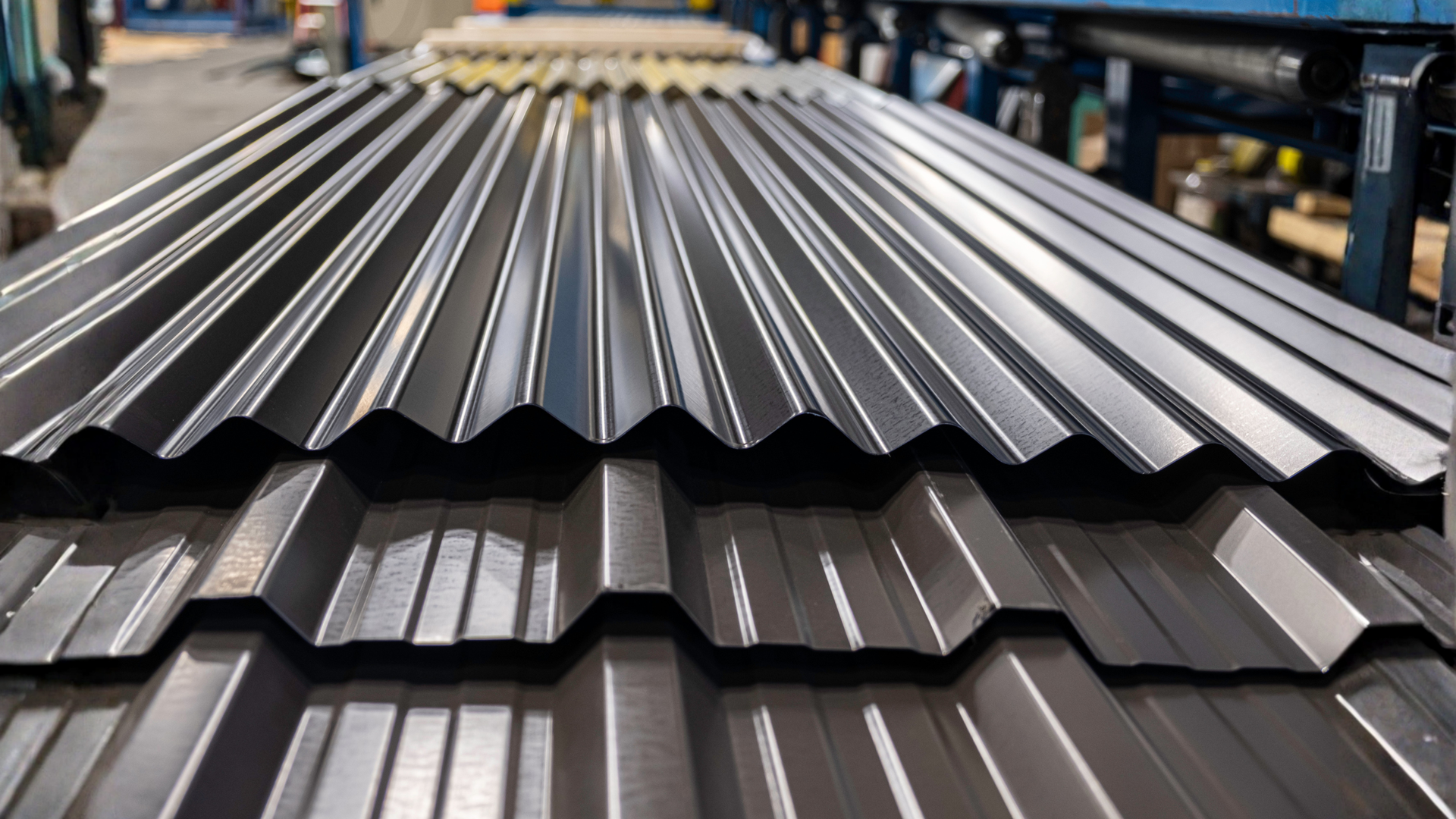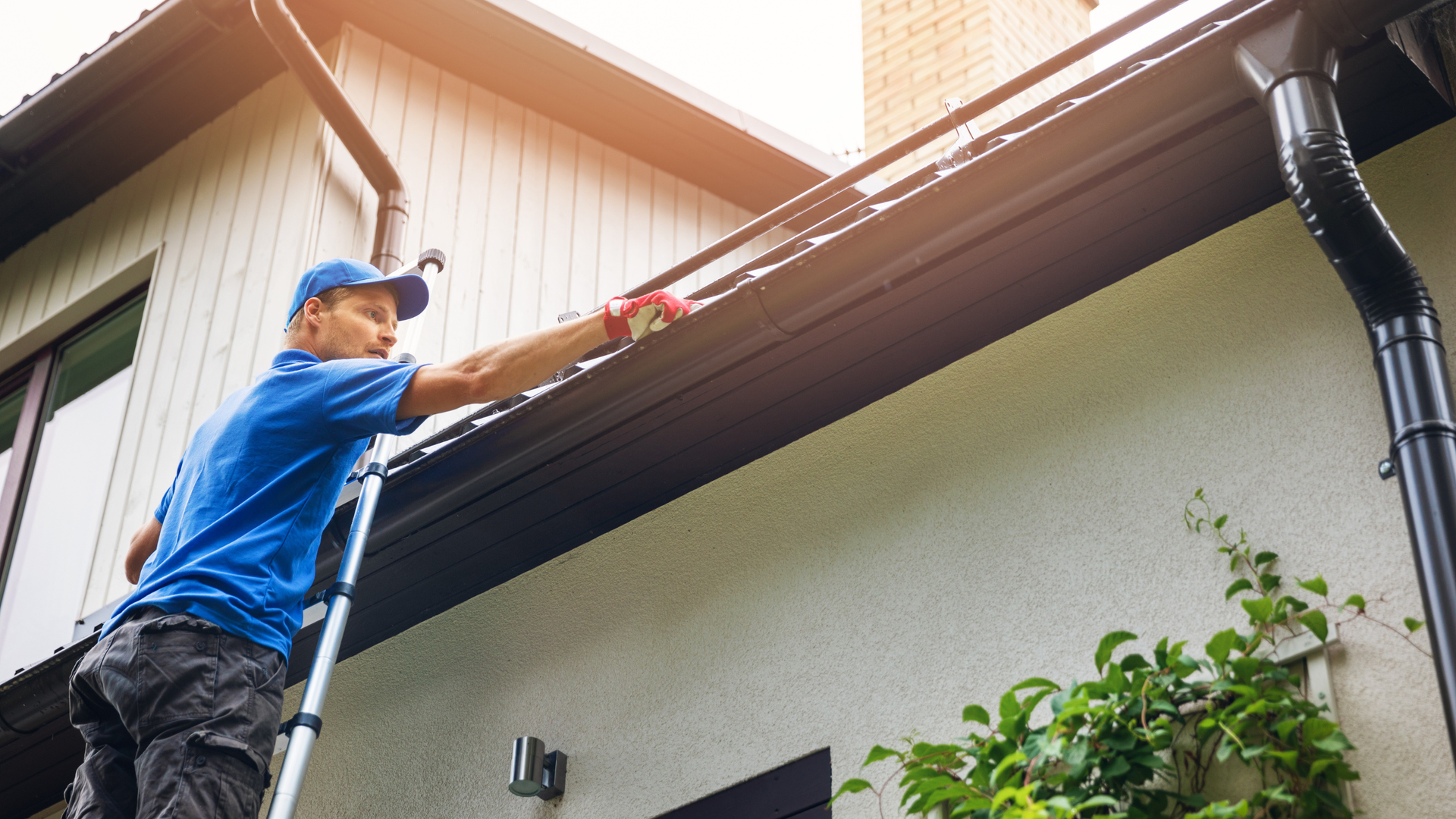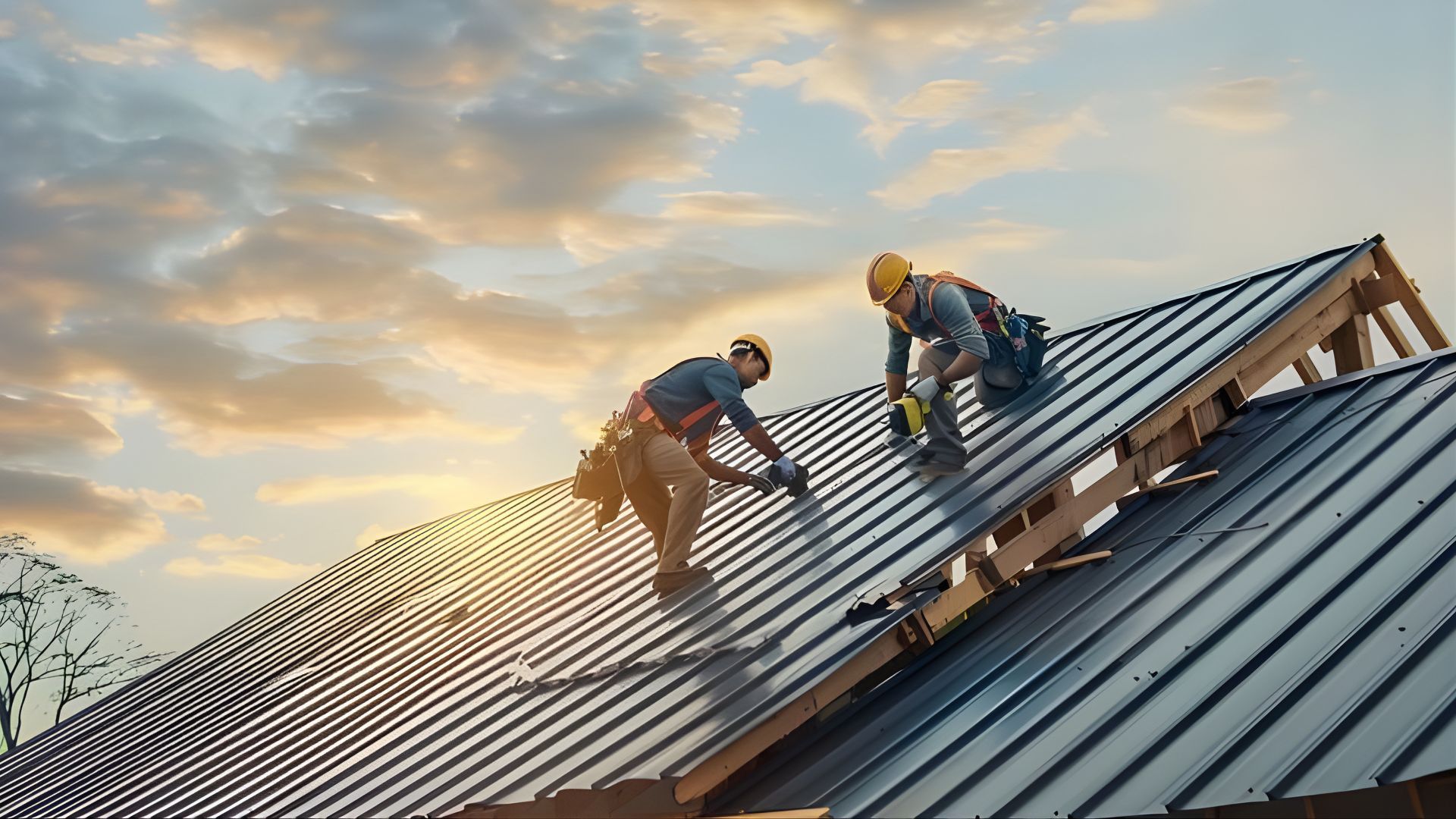
How to Repair Leaking Flat Metal Roof and Stop Recurring Leaks for Good
A leak in a flat or low-slope metal roof rarely stays small for long. Because water drains more slowly on low-pitch sections, even a minor defect can keep getting tested every time it rains. That is when ponding, backed-up outlets, wet insulation, stained ceilings, and hidden moisture paths start turning a “small roof issue” into internal damage, mould risk, and repeat call-outs.
That risk can be even harder on roofs near the coast, where wind-driven rain, salt exposure, and debris build-up can all speed up deterioration. What looks like one drip indoors may actually be the result of water travelling along fixings, framing or flashings before it appears inside.
This guide explains what usually causes flat metal roof leaks, what a professional inspection should cover, which flat metal roof leak repair options are worth considering, what affects
repair cost, and how to judge whether repair is still sensible or whether replacement is the smarter long-term move.
Why Flat Metal Roofs Leak More Often Than Pitched Roofs
Drainage is the #1 Issue on Low-Slope Roofs
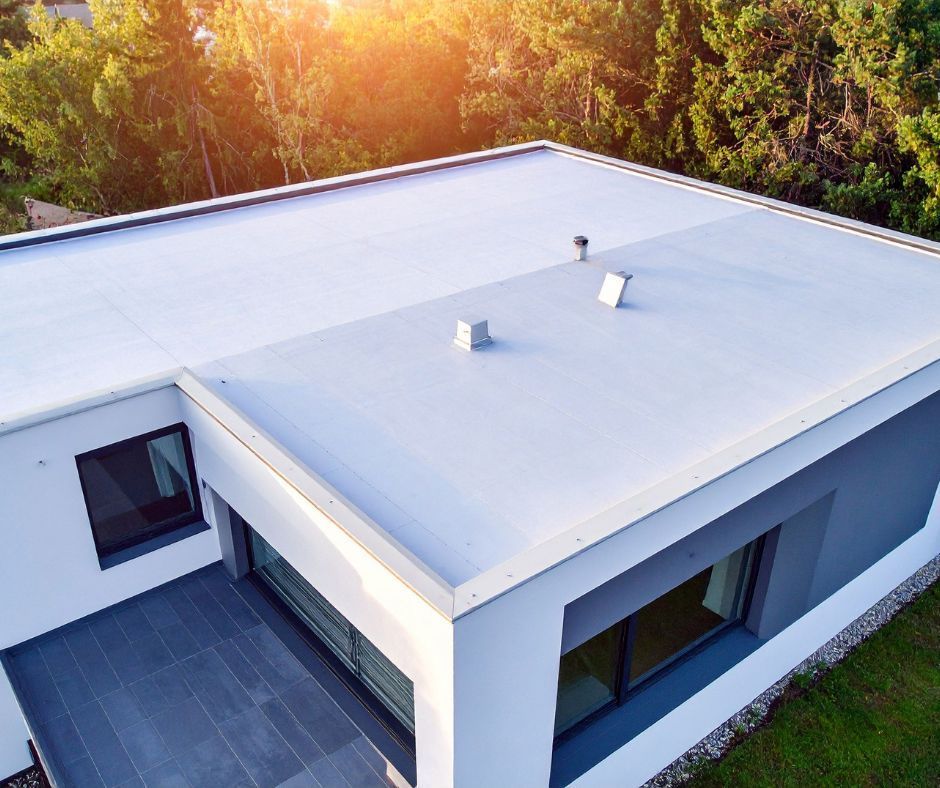
Flat and low-slope metal roofs hold water for longer because they do not shed rain as quickly as pitched roofs. That slower run-off gives water more time to find weaknesses around seams, fasteners, flashings, and penetrations. When slopes are inadequate or sections of the roof begin to sag, ponding water can develop and place ongoing pressure on the roofing system.
Outlets, overflows, and downpipes also need to be correctly sized, positioned, and kept clear so water can move off the roof efficiently. In many repair leaking flat metal roof jobs, the visible leak is only the symptom, while poor drainage is the real cause.
Profile and Pitch Compatibility Matter
Not every metal roofing profile is designed to perform on very low pitches, and using the wrong one can increase the risk of leaks. Some profiles rely on steeper angles to move water away from laps and joints before it has a chance to track backwards.
When the roof pitch is too low for the material installed, even heavy sealant use may not deliver a reliable long-term result. Minimum pitch requirements exist for a reason, and they need to be matched with correct detailing at edges, penetrations, and junctions.
That is why successful metal flat roof leak repair often starts with checking whether the roof’s profile, pitch, and detailing were compatible in the first place.
The Most Common Causes Of a Leaking Flat Metal Roof
Most flat metal roof leaks come back to a short list of repeat offenders. The difference between a quick patch and a durable repair is whether your roofer identifies which one is actually driving the leak on your property.
Fastener and Washer Failure
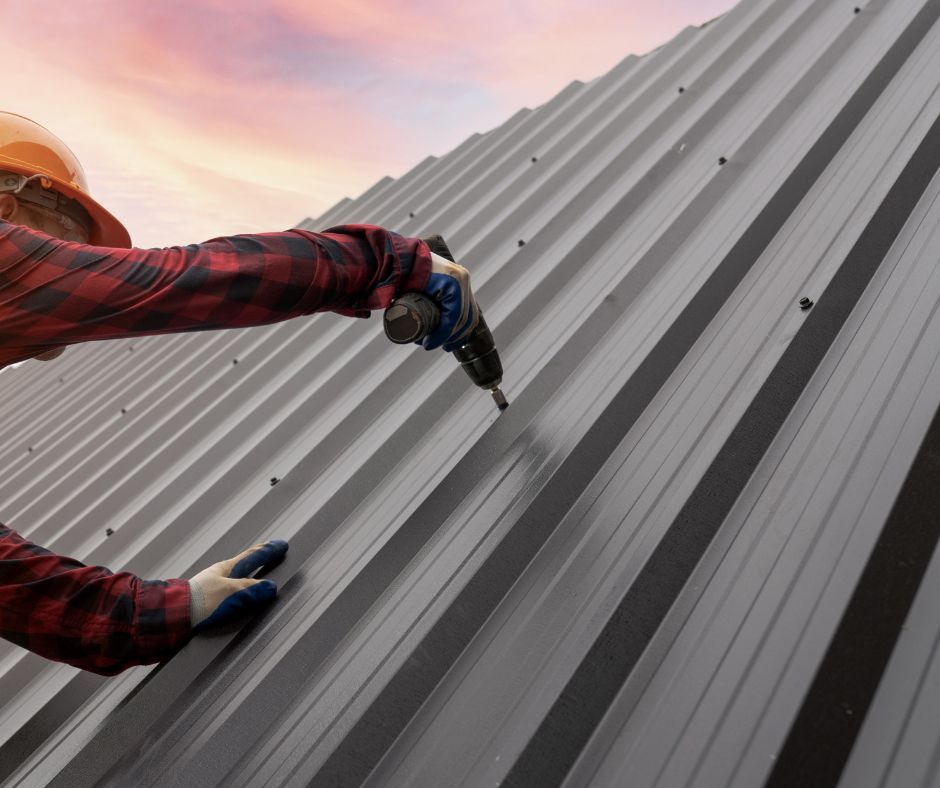
Exposed fasteners cop a lot over time. Screws can back out slightly. Washers can perish. Holes can elongate. The wrong fastener type can also create problems, especially where movement, moisture, or corrosion are already at play.
A professional roofer will not just look for obviously missing screws. They will check whether fixings are still sealing properly, whether there is movement around the hole, and whether a broader replacement program is needed rather than a one-off swap.
Seam and Overlap Movement
Metal expands and contracts. On flat or low-slope roofs, that movement can slowly stress laps, seams, and seal lines. Once separation starts, water can track beneath the sheeting and travel a surprising distance before showing inside.
This is one reason recurring leaks are so frustrating for owners and managers. The original drip point may have been treated, but the underlying movement was never addressed.
Flashing and Penetration Failures
Penetrations and junctions are common trouble spots. Vents, skylights, parapets, wall abutments, service penetrations, and edge terminations all require clean detailing to stay watertight. When sealants age, flashings lift, or previous work is poorly integrated, these areas often become the first place water gets in.
Box Gutter, Outlet and Overflow Issues
Flat roof leaks are often drainage leaks in disguise. Blocked outlets, undersized downpipes, poor falls, and non-performing overflows can all push water where it does not belong. In a heavy downpour, a box gutter that cannot clear fast enough behaves very differently from one that is draining properly.
This is also why a leak may show up only in certain storms. The roof may cope in light rain, then fail during heavy rain or wind-driven weather when the drainage system is under real pressure.
Corrosion and Rust-through
Debris traps moisture. Salt-laden air and long periods of dampness accelerate the problem. Over time, corrosion can develop around laps, cut edges, fixings, gutters, and low spots where water sits. Once the metal has thinned or rusted through, repairs need to be more than cosmetic.
Signs You Need an Expert to Repair a Leaking Flat Metal Roof
Even a small leak can point to a bigger drainage or detailing issue on a flat metal roof, so early warning signs are worth taking seriously. If you notice any of the following, it is a good time to arrange a professional inspection before the damage spreads.
- Ceiling stains, mouldy odours, damp insulation, and drips during storms can all indicate that water is already entering the roof system and travelling into internal areas.
- Rust spotting or flaking around seams or fasteners may suggest that moisture is sitting on the roof too long or that the metal and fixings are starting to deteriorate.
- Overflowing gutters or box gutters after rain often point to blockages, inadequate slope or undersized drainage that can force water back into vulnerable roof areas.
- Bubbling paint or damp patches near walls and roof junctions can mean water is tracking through flashings, parapets, or adjoining roof details rather than entering at the visible stain itself.
What a Proper Flat Metal Roof Leak Repair Inspection Should Uncover
A professional inspection is designed to find not just where the leak is showing, but what is actually causing it and to plan for the right repair for a leaking flat metal roof.
Leak Tracing
Water can travel along framing, insulation, and sheet laps before it becomes visible inside, so the drip point is often not the true entry point.
External Inspection
The roofer checks seams, laps, fasteners, flashings, penetrations, roof edges, gutters, outlets and overflows to identify where water may be entering or backing up.
Internal Inspection
The ceiling space or internal area is inspected for moisture paths, wet insulation, timber damage, and mould risk to understand how far the leak has spread.
Root-Cause Report and Repair Plan
A proper inspection should finish with photos, findings, recommended repair options, and a clear written scope so you know exactly what needs to be done.
Professional Options For Durable Metal Flat Roof Leak Repair
The right repair method depends on what is actually causing the leak, because lasting results come from fixing the failure point rather than just covering the symptom.
Seam and Joint Resealing/Reinforcement
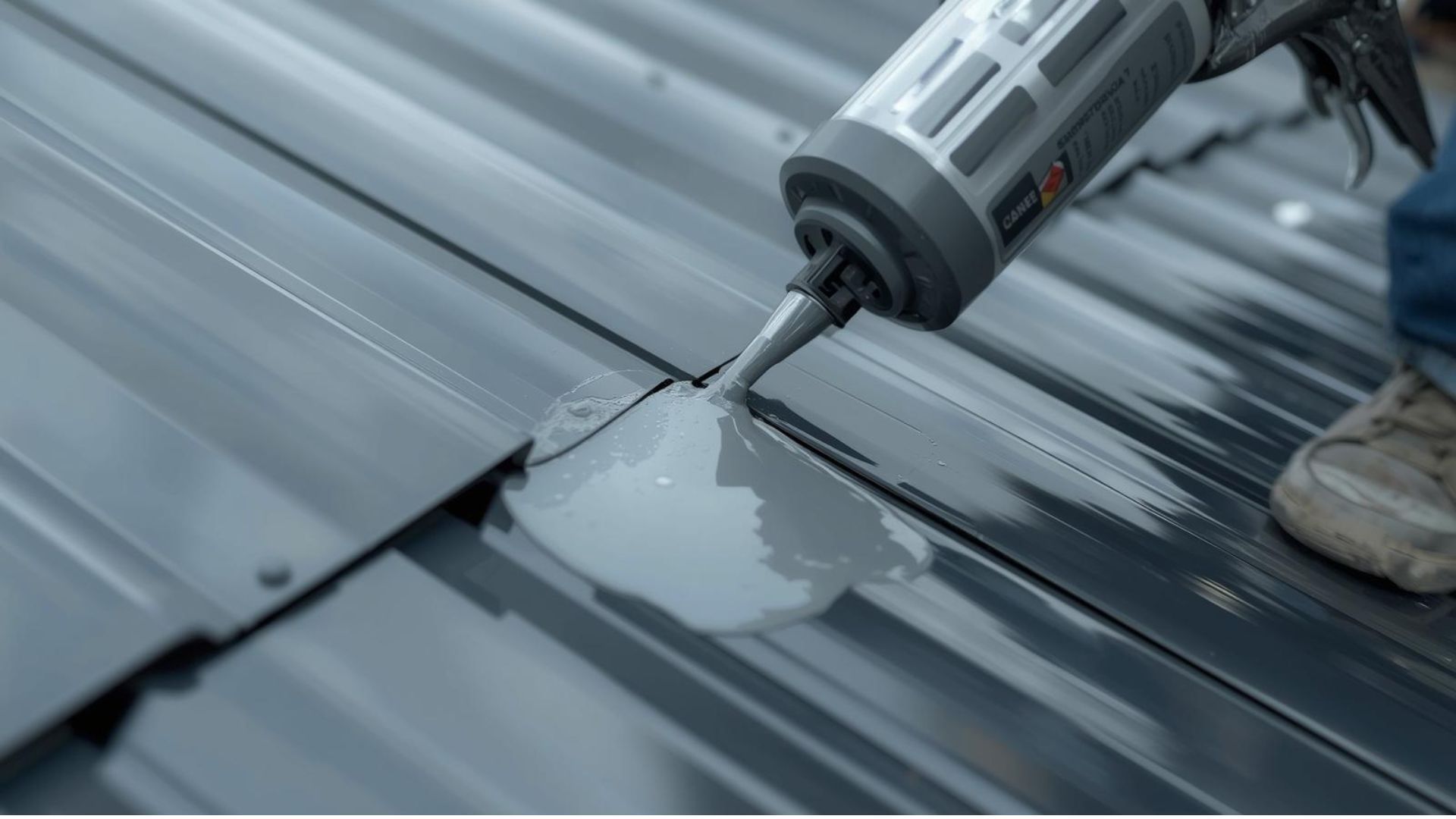
Seam and joint resealing or reinforcement is used when movement, separated laps, or deteriorated seals are allowing water to enter through the roof joints.
Flashing Repair or Replacement
Flashing repair or replacement restores watertight transitions around penetrations, parapets, wall junctions, and roof edges where detailing has failed.
Fastener Replacement Program
This involves replacing failed screws and washers, and addressing elongated or damaged fixing points where needed.
Localised Panel Repair vs Replacement
Localised panel repair or replacement is recommended when corrosion, rust-through, or physical damage has compromised the metal roof itself.
Drainage Upgrades
Drainage upgrades improve falls, outlets, overflows, box gutters, and downpipe capacity so water can leave the roof properly instead of repeatedly forcing leaks.
What Affects Flat Metal Roof Leak Repair Costs
There is no universal flat roof leak repair price because the cost depends less on the drip itself and more on what sits behind it. Two roofs can show the same internal stain and need very different scopes of work.
What Affects the Price
- Roof height, site access, and safety requirements affect the cost because more complex access usually means additional labour, equipment and compliance measures.
- The number of leak points and the difficulty of tracing them can increase the price because hidden water paths often take longer to diagnose properly.
- The extent of corrosion or sheet damage matters because minor sealing work costs less than repairs involving damaged metal or panel replacement.
- Gutter or box gutter complexity, along with any required drainage changes, can raise the cost because these repairs often involve more detailed rectification work.
- Whether penetrations and perimeter details need reworking affects the quote because flashings, junctions, and edge details must often be rebuilt rather than simply patched.
How To Interpret Quotes
- A good quote should address the root cause of the leak, not just the visible symptom, so you are not paying for a temporary fix that fails again.
- Look for an itemised scope, listed materials, expected timeline, warranty details, and exclusions so you can compare quotes clearly and understand exactly what is included.
When to Repair Leaking Flat Metal Roof Work vs When to Replace
Repair is usually the right choice when the roof is broadly sound and the issue is localised. If the metal roof still has life in it, the drainage can be corrected, and the leaking detail is isolated, a professional repair can buy meaningful years of performance.
Replacement becomes more likely when leaks are recurring across multiple areas, corrosion is widespread, ponding is persistent, or the roof was incorrectly detailed from the start. In those cases, repeated patching can become a false economy. You keep paying to manage symptoms while the same design or drainage weakness keeps bringing the problem back.
A professional assessment helps determine whether targeted repairs will provide a reliable result or whether a more comprehensive upgrade will save money and stress over time. The goal is not just to stop the current leak, but to choose the option that makes the most sense for the roof’s overall condition and long-term performance.
How To Choose The Right Roofer That Can Repair a Leaking Flat Metal Roof
Low-slope metal roof leaks are not the place for vague answers. You want a roofer who can explain the fault clearly, document the condition properly, and set out a repair scope that makes sense.
Questions To Ask Your Roofer:
- Are you licensed and insured?
- What’s the root cause and how will you prevent recurrence?
- What warranty applies and what’s excluded?
- Will you provide a written scope with photos and materials listed?
- Will you address drainage/box gutters if they contribute to the leak?
What a “Transparent Quote” Should Include
- A clear scope so you know exactly what parts of the roof will be inspected, repaired, replaced or left untouched.
- Inclusions and exclusions so there is no confusion about what is covered in the price and what may incur additional costs.
- Photos so you can see the roof condition, identify problem areas, and the basis for the recommended repair work.
- A timeline so you understand when the work is expected to start, how long it should take, and whether the weather may affect scheduling.
- A safety approach so you know how access, fall protection, and site safety will be managed during the job.
- A cleanup plan so it is clear how debris, old materials, and site tidying will be handled once the work is complete.
- Warranty terms so you understand what workmanship or materials are covered, for how long, and what exclusions apply.
Why Choose Adapt Roofing
Adapt Roofing takes a customer-first approach to roof repairs, which matters when you are dealing with leaks that need clear answers rather than vague promises. From the first inspection through to the final quote, our focus is on transparent communication, honest recommendations, and a clear explanation of what is causing the issue and how it should be fixed. That makes it easier for homeowners, strata managers, and commercial property owners to make informed decisions without feeling pressured into unnecessary work.
With an experienced and insured team, Adapt Roofing delivers workmanship-backed roofing solutions across residential, strata, and commercial properties. We offer roof leak detection and repairs, roof replacement and gutter repair and replacement across Newcastle, Central Coast and Lake Macquarie.
Get in touch with us to book an inspection, discuss your roofing concerns, and receive a clear repair plan and quote for the work your roof actually needs.
Bottom Line
Flat metal roof leaks are often blamed on one obvious weak spot, but the bigger issue is usually the combination of drainage pressure and failing detailing. That is why the best repair outcomes come from proper inspection, not guesswork.
If you have noticed staining, drips, overflow issues, rust, or recurring leaks, it is worth acting before the next downpour pushes moisture deeper into ceilings, insulation, walls, or structural elements.
Book a professional inspection with Adapt Roofing and get a written repair plan and quote that explains the cause, the recommended fix, and the next step with clarity.
Key Takeaways
- Flat and low-slope metal roofs leak differently from pitched roofs because drainage and detailing do more of the work.
- Common leak sources include fasteners, seams, flashings, gutters and box gutters, outlets, overflows, and corrosion.
- Lasting results come from diagnosing the root cause, not relying on repeated patch repairs.
- Repair costs are shaped mainly by access, leak complexity, corrosion, and whether drainage upgrades are needed.
- Persistent leaks can be a sign that the roof needs more than repair and may be approaching replacement.
Frequently Asked Questions
What are the most common causes of a leaking flat metal roof?
The most common causes are failed fasteners and washers, separated seams or overlaps, deteriorated flashings, blocked or undersized drainage points, box gutter issues, and corrosion around laps or cut edges. On low-slope roofs, drainage problems often sit behind the leak even when the visible symptom appears elsewhere.
Can a leaking flat metal roof be repaired, or does it need replacing?
Some flat metal roofs can still be repaired if the roof is otherwise sound and the issue is localised. Replacement becomes more likely when corrosion is widespread, leaks are recurring across multiple areas, ponding is ongoing, or the original detailing is fundamentally wrong.
How much does it cost to repair a leaking flat metal roof in NSW?
It depends on access, safety setup, leak tracing complexity, corrosion, the number of affected areas, and whether gutters, box gutters, or drainage upgrades are part of the scope. The most useful quote is the one that clearly explains what is being fixed and why.
Why does my flat metal roof leak only during heavy rain or wind-driven rain?
That pattern usually points to a drainage or detailing issue rather than a constantly open hole. Heavy rain can overwhelm blocked or undersized drainage points, while wind-driven rain can force water into laps, flashings, or wall junctions that cope during milder weather.
What is ponding water and why is it a problem on low-slope metal roofs?
Ponding water is water that remains on the roof instead of draining away promptly. It increases the time water is sitting over seams, fixings, and flashings, which raises the chance of leaks and can accelerate wear in low spots.
Are box gutters a common cause of flat roof leaks?
Yes, they are often involved. Blockages, poor falls, undersized outlets, and non-performing overflows can all cause water to back up and enter the building envelope. On some roofs, the box gutter is the real issue even when the leak appears to be coming from the roof sheeting.
How long do professional flat metal roof leak repairs usually take?
That depends on the complexity of the leak and the repair method. A simple localised issue may be completed relatively quickly, while jobs involving leak tracing, flashing reconstruction, sheet replacement, or drainage upgrades naturally take longer.
Will insurance cover roof leak repairs?
Insurance outcomes vary by policy and by cause. Sudden insured events may be treated differently from gradual deterioration, wear and tear, poor roof maintenance, or long-term corrosion. It is worth checking your policy wording and speaking directly with your insurer.
How can I tell if the leak is from the roof and not plumbing?
You usually cannot confirm that reliably from the stain alone. Professional inspection is always the safest way to confirm the source of a leak, especially in ceiling cavities, wall junctions, and low-slope roof areas where water can travel before it becomes visible inside.
What warranty should I expect on professional roof leak repairs?
That depends on the contractor, the materials used, and whether the work is a localised repair or a broader rectification scope. A reputable roofer should explain the workmanship warranty, any manufacturer-backed material warranties that apply, and what is excluded.