Honest Look at Metal Roofing Pros and Cons
If you’re planning a re-roof or new roof, you’ve probably noticed the steady shift away from old tile roofs and towards modern metal profiles. It’s not just a “new-build trend” anymore. Homeowners, business owners and strata managers are choosing metal for its clean look and practical performance in our coastal-and-stormy corner of NSW.
That said, a metal roof isn’t a magic fix for every property. Like any roofing material, it comes with trade-offs. This guide breaks down the real-world pros and cons of metal roofs so you can decide with your eyes open.
Below, you’ll get a straight look at what metal roofing does well, where it can let you down and what matters most for both homeowners and commercial/industrial buildings.
What is Metal Roofing
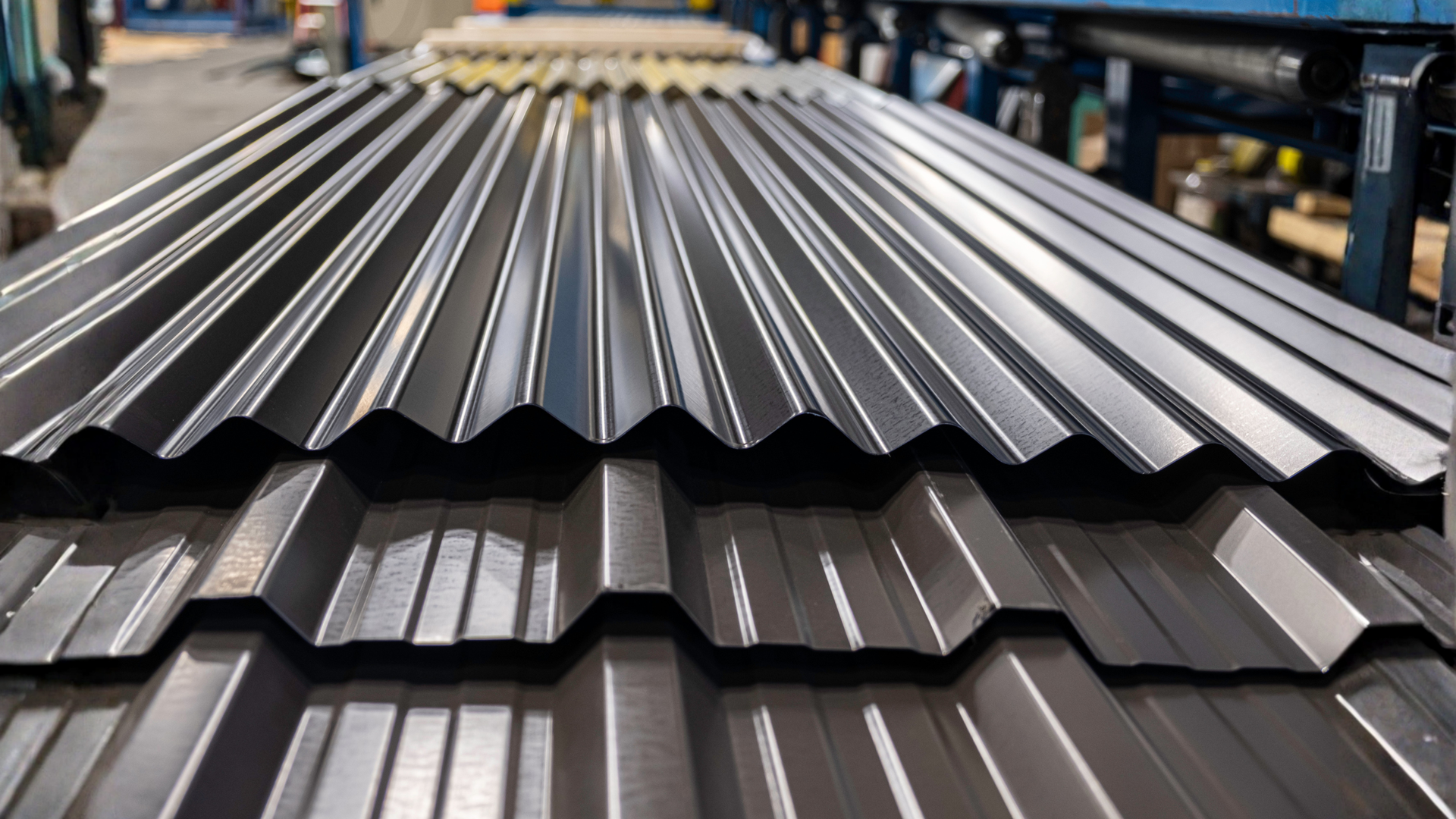
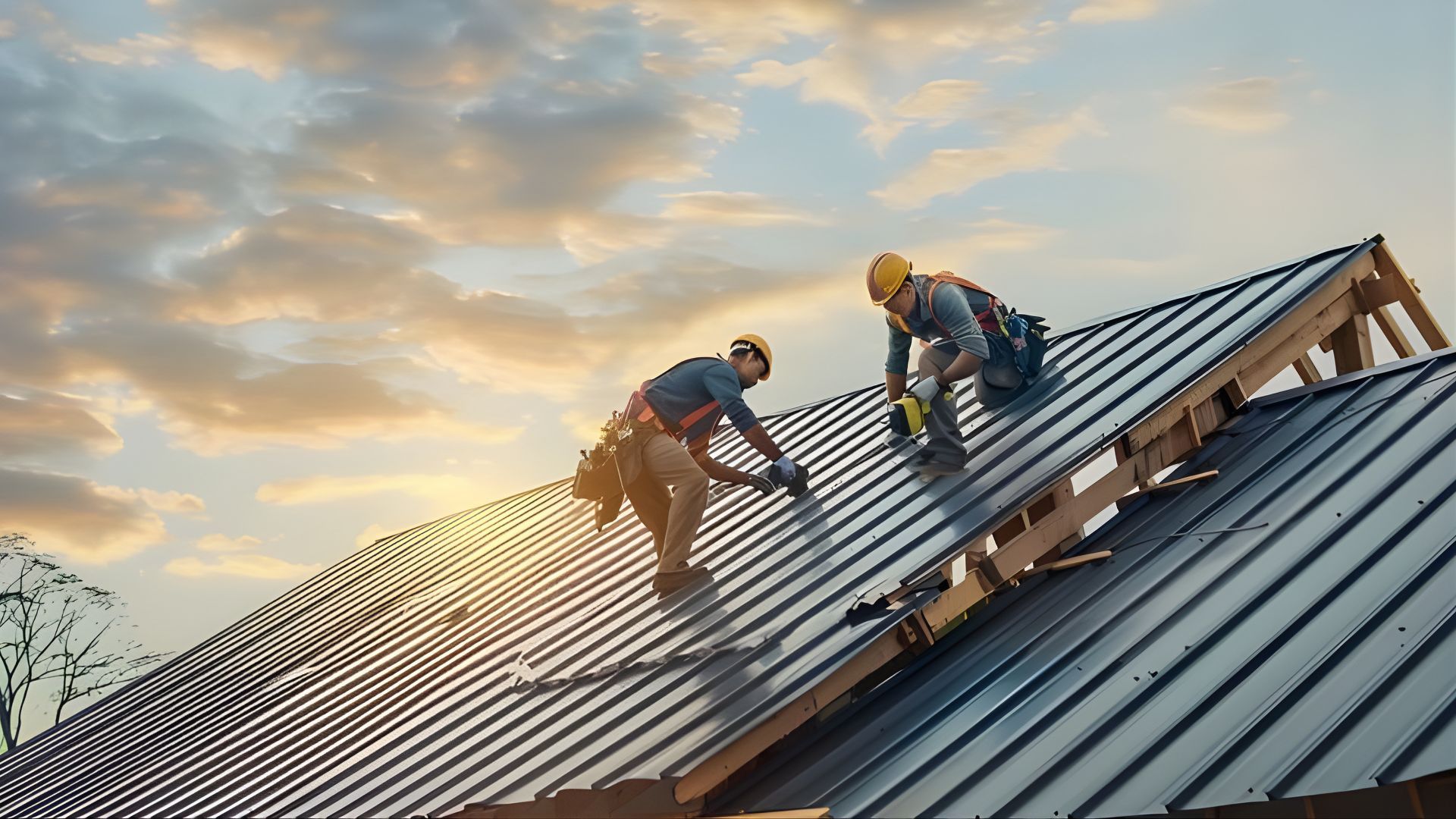
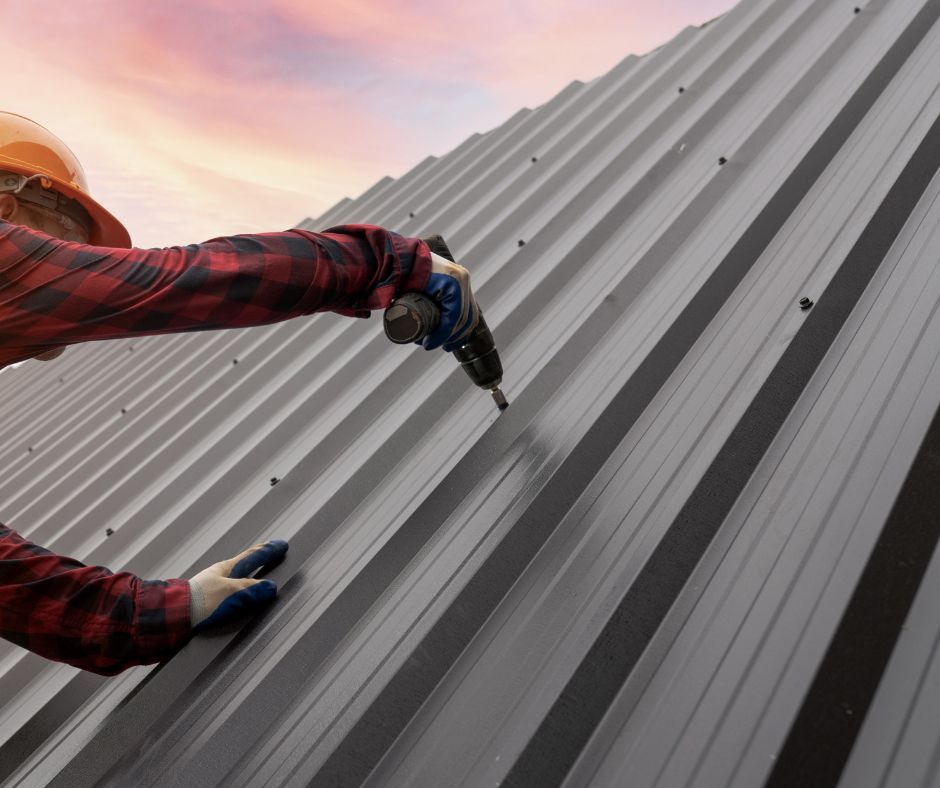
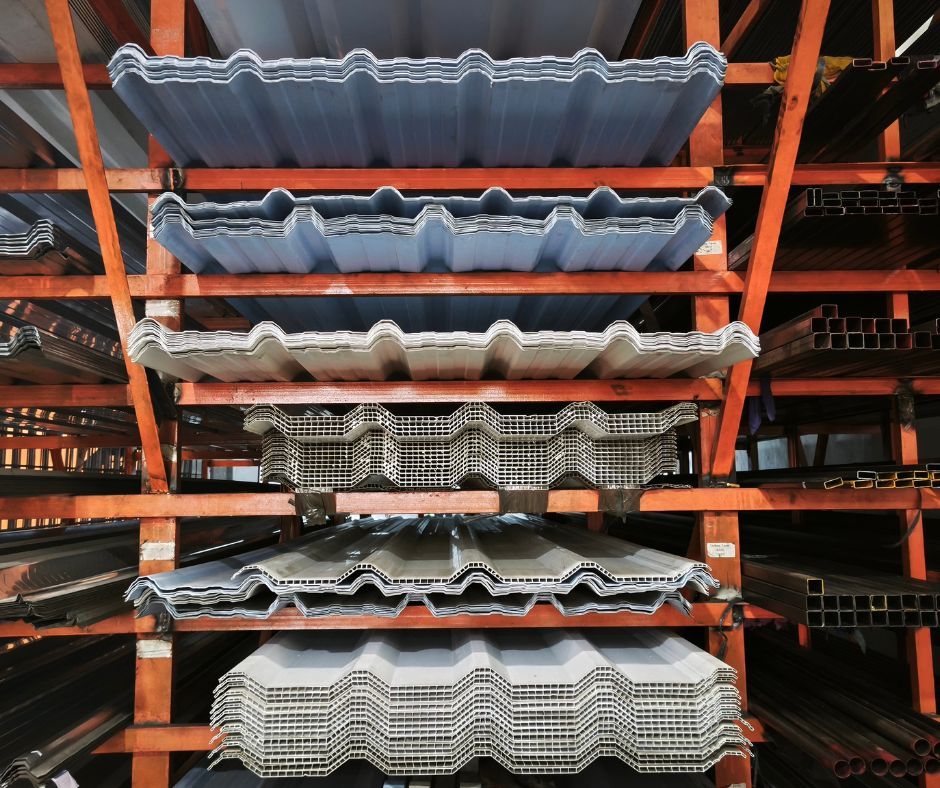
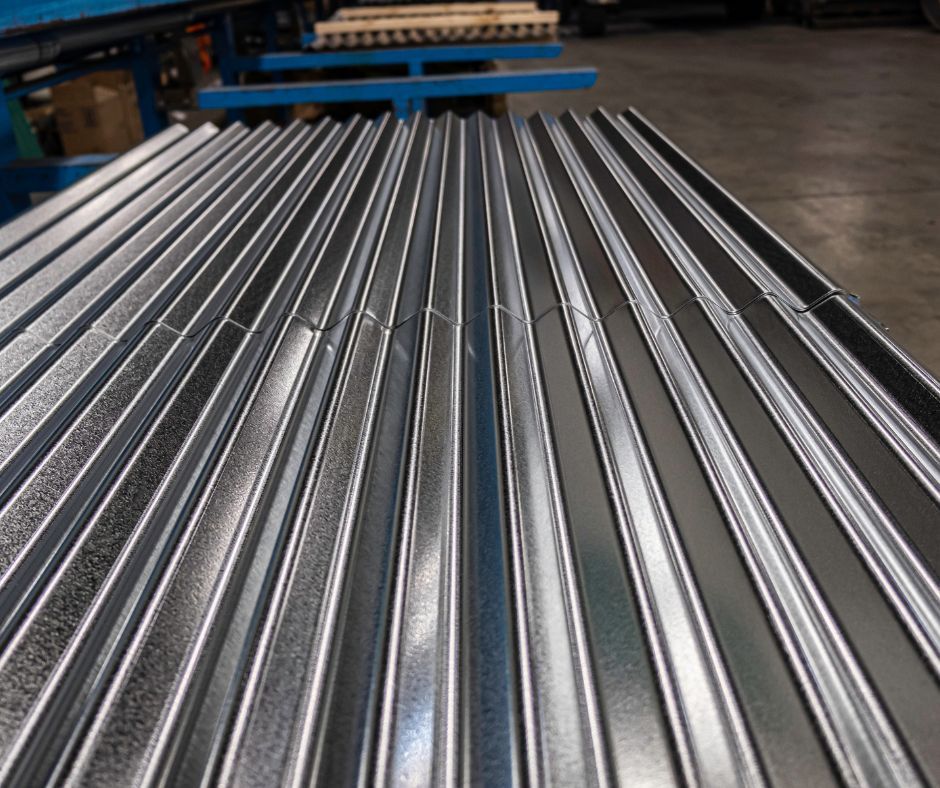
Metal roofings are made from metal sheets (most commonly steel) that are fixed to roof battens and framing using screws or concealed clip systems. Instead of many small individual pieces (like tiles), metal roofing is installed in longer lengths, designed to shed water quickly and consistently.
In Australia, metal roofs are common across:
- New builds and major renovations
- Re-roofs on older homes
- Extensions, patios and granny flats
- Commercial sheds, warehouses, workshops and retail roofs
Most residential projects in Newcastle and the Central Coast use Colorbond steel because it’s widely available, proven locally and comes in a broad colour range. Other metals, like aluminium, zinc, and copper, tend to be more niche and are usually chosen for specific design or coastal requirements.
Top Metal Roofing Pros and Cons
Here’s a straight, practical look at the top metal roofing pros and cons, so you can quickly weigh what you’ll gain against what you’ll need to plan for before you commit.
Advantages of Metal Roofing:
Long Lifespan
A well-installed metal roof can last for decades, particularly when it’s paired with the right underlay, insulation and detailing around valleys, ridges, penetrations and gutters.
Strong Performance
In places like Newcastle, Lake Macquarie and the Central Coast (where you can get intense rain events, strong winds and the occasional hail storm), metal roofs are often chosen for durability and consistent water run-off. They’re designed to resist cracking, slipping and the gradual “movement issues” you can see with ageing tile roofs.
Bushfire, Wind and Storm Resistance
Metal is non-combustible, which is a major consideration for bushfire-prone areas around the region (especially as you move toward bushland edges and higher vegetation zones). In high-wind locations, metal roofing can perform extremely well, but only when the fixing method is right.
Energy Efficiency and Indoor Comfort
Metal roofs can help with heat management when the right colour and underlaying is installed. Lighter, more reflective finishes and modern coatings can reduce heat gain and the combination of sarking and quality ceiling insulation does the heavy lifting for comfort.
It’s worth clearing up a common myth: “metal roof = hot house.” A poorly insulated roof (metal or tile) will feel uncomfortable. With proper insulation, ventilation and sarking, metal roofing can support a cooler home in summer and a warmer one in colder seasons.
Lightweight Yet Strong
Metal roofing is significantly lighter than terracotta tiles, which reduces structural load on the roof frame. That’s a real advantage for:
- Older homes where the existing structure may not support extra weight
- Re-roofs where you want to avoid costly structural upgrades
- Larger commercial spans (workshops, warehouses, industrial sheds), where weight and spanning efficiency matter
Design Flexibility and Curb Appeal
Metal isn’t “just corrugated” anymore. Homeowners can choose from profiles like corrugated, ribbed and architectural styles such as standing seam. There’s also a wide range of colour palettes available that suit everything from coastal cottages to contemporary builds.
Environmentally Friendly Choice
Metal roofing often contains recycled content and is recyclable at the end of its life. Add the long service life, and it can mean fewer replacements and less construction waste compared to other materials that are more likely to crack, shift or require replacement frequently.
Fast Installation and Easy Integration with Solar
Because metal roofing is installed in larger sheets, re-roofs are often faster than tile replacements. That can mean less time with the roof exposed and fewer weather-related headaches during the job.
Metal roofs are also popular for solar panel installation. With correct planning, you can manage penetrations cleanly, keep fixings secure and position panels efficiently.
Downsides of Metal Roofing:
Higher Upfront Cost
In some cases, the installation cost of metal roofing can be more than basic tile options, particularly when you’re choosing higher-quality steel systems, upgraded coatings for coastal exposure or more architectural profiles.
The balancing factor is the long-term value. A properly specified and professionally installed metal roof can last longer and need less maintenance. But if you’re focused purely on the lowest upfront price, metal often won’t be the top pick
Noise in Heavy Rain
Rain can sound louder on a metal roof, particularly during heavy downpours, if the roof build-up is basic (little insulation, no sarking or thin/patchy ceiling batts). The upside is that in most modern homes, noise is very manageable when the system is detailed properly. Sarking, good insulation and careful installation all help dampen sound and reduce what you hear indoors.
Dents, Foot Traffic and Hail
Metal roofs can dent under the wrong conditions. Steel is generally more dent-resistant than softer metals like aluminium or copper, but large hail and heavy foot traffic can still cause damage, especially if someone walks where they shouldn’t.
Practical tips that help:
- Walk only on the correct parts of the sheet (and only when necessary)
- Use designated walkways on commercial roofs
- Keep tree limbs trimmed to reduce branch impact in storms
Expansion, Contraction and Fixings
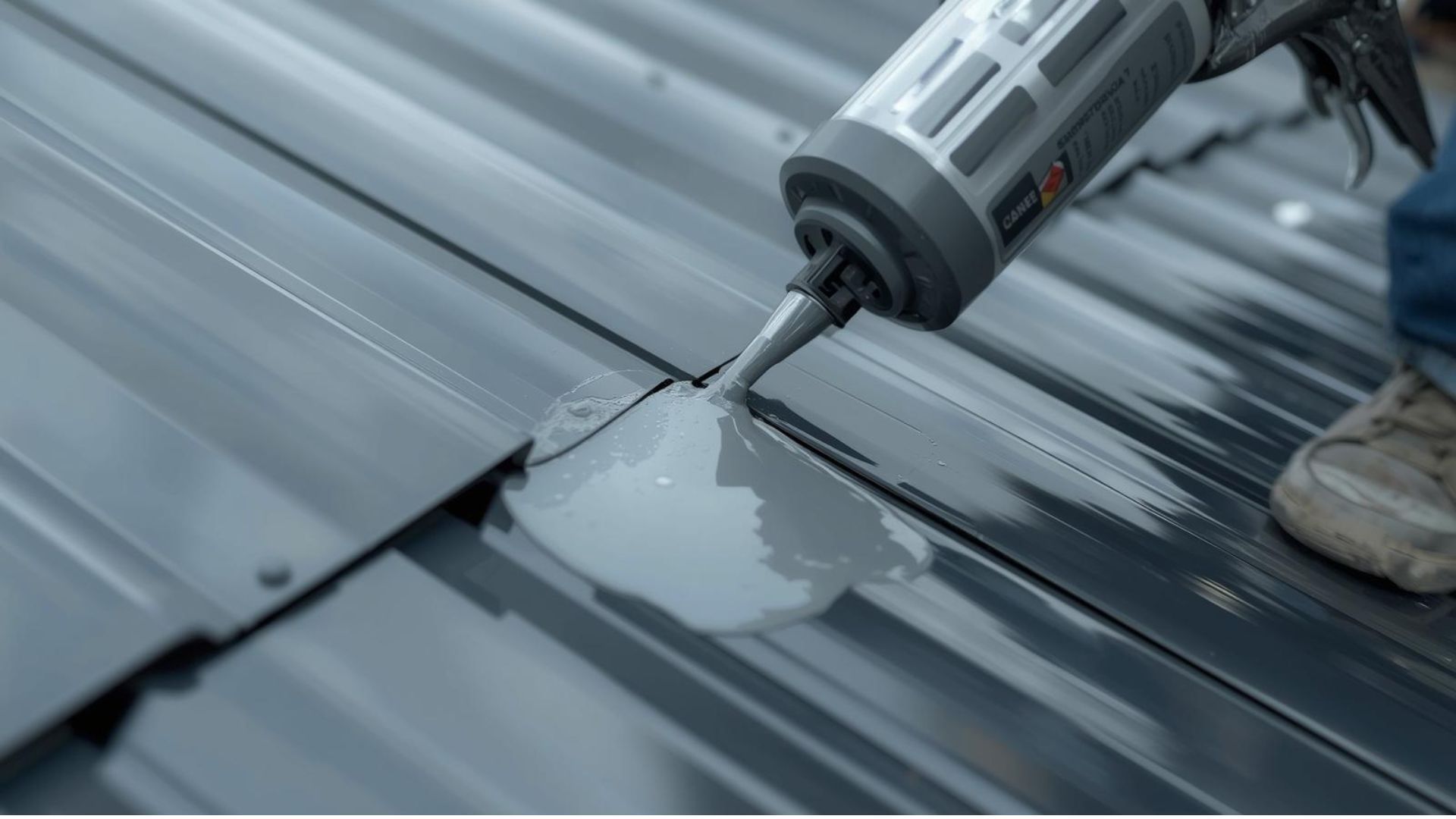
Metal expands and contracts as temperatures change, and that movement is normal. Problems usually come from poor installation (wrong fixings, incorrect screw placement or a system that doesn’t allow controlled movement). That’s why professional installation matters.
Condensation and Moisture Issues
Condensation under metal sheets is a real risk when ventilation and insulation aren’t handled properly. Moist air can condense on cooler metal surfaces, leading to dripping, damp insulation, corrosion and even ceiling staining.
A quality build-up typically includes:
- Sarking (roof underlay)
- Correct ventilation strategy
- Appropriate insulation for the building type
- Clean detailing around penetrations and roof edges
Coastal Corrosion and Paint Fade
For properties near the ocean, material selection is critical. Salt-laden air and onshore winds can accelerate corrosion if the wrong product is installed or if maintenance is ignored. This doesn’t mean “metal roofs fail near the coast.” It means you need the right grade/coating, correct detailing and realistic maintenance expectations.
Access, Repairs and Colour Matching
With metal roofing, repairs can get a bit complex depending on the damage, and matching the colour on an older roof isn’t always straightforward, especially if the finish has faded over time or the original colour is no longer available. It’s not a deal-breaker, but it's just a reason to prioritise good installation up front and to keep roof maintenance on your calendar.
Metal Roofs Pros & Cons vs Other Roofing Options
Here’s a practical comparison of various roofing systems to metal roofs:
| Factor | Metal Roofs | Terracotta Tiles | Flat Membranes |
|---|---|---|---|
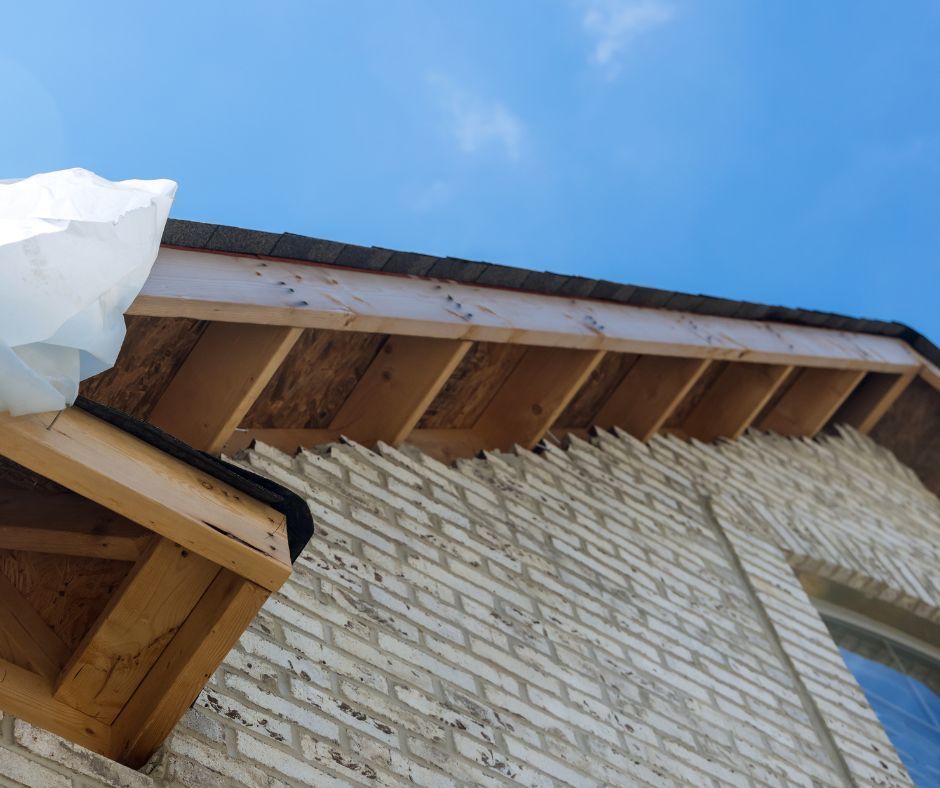
| Lifespan | Can last a long time and often delivers more consistent performance when the full system is specified and installed correctly. | Can last a long time, but individual tiles may crack, slip, or fail at vulnerable points over time. | Can be long-lasting, but lifespan depends heavily on correct installation, detailing and ongoing inspections/maintenance. |
| Weight | Lighter, reducing structural load. | Heavier, placing more load on the roof structure. | Lightweight overall, but depends on build-up (insulation, ballast, etc. where used) |
| Maintenance | Typically needs periodic checks and cleaning, especially in coastal areas. | Often needs more ongoing attention (cracked tiles, ridge capping, pointing issues). | Regular inspections are important, detailing and drainage maintenance are necessary. |
| Noise | Can be noisier without proper insulation and sarking. | Naturally quieter during rain and hail. | Generally quiet; noise isn't typically a key issue compared to drainage/waterproofing. |
| Manageable when the build-up is done right. | |||
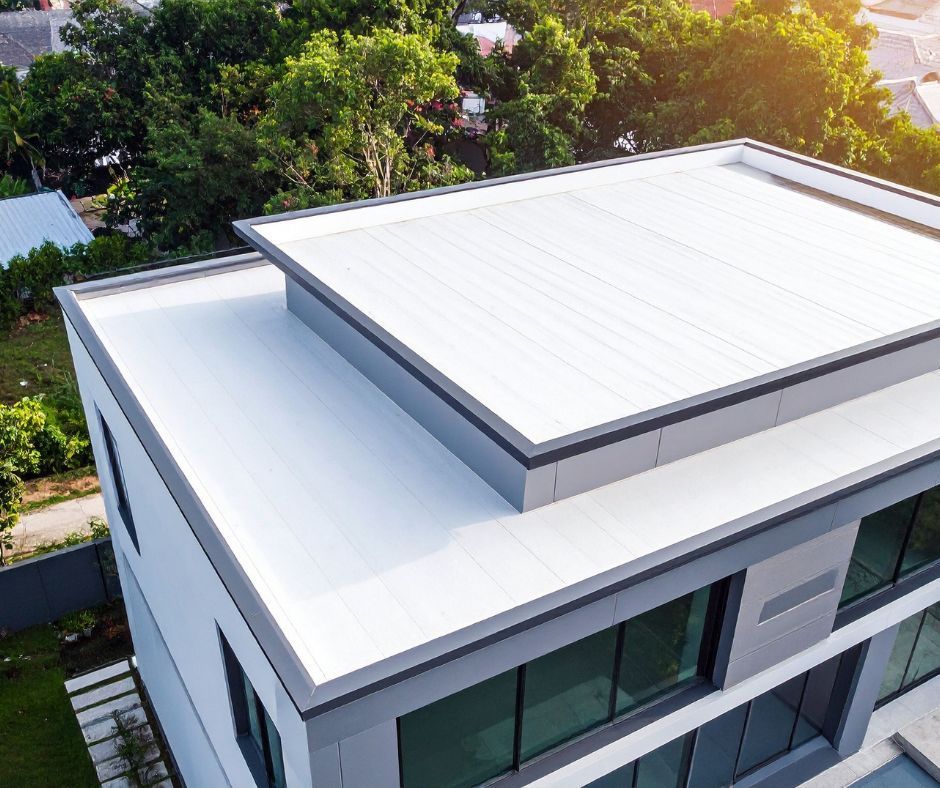
| Water Management | Sheds water efficiently and is often better suited to lower pitches. | More sensitive to pitch, wind-driven rain and ageing underlay. | Designed for very low-pitch/flat roofs. |
| Relies on excellent waterproofing and drainage detailing. | |||
| Repairs | Repairs can be more technical depending on profile, access and roof age/colour matching. | Usually easier for small spot replacements (swap a tile). | Repairs can be specialised. |
| Leaks often trace back to penetrations, seams or drainage points. | |||
| Best Use Cases | Longer spans, robust performance, easier future modifications (vents, skylights, solar) and integrated gutter solutions. | Traditional aesthetics. | Very low-pitch or flat roofs. |
| Residential roofs where weight and pitch suit tile systems. | Common in commercial settings when designed and maintained correctly. |
Are the Pros and Cons of Metal Roofing Right for Your Home or Business?
Questions for Homeowners
Ask yourself these before committing:
- Do you plan to stay in the property long enough to benefit from the longer lifespan?
- Are you in a bushfire-prone area or location that cops strong storms and wind-driven rain?
- Is low maintenance more important than the lowest upfront cost?
- Are you planning to add solar panels, a skylight or an extension in the next few years?
- Are you sensitive to rain noisevand is your ceiling insulation and roof build-up currently up to scratch?
If you’re still undecided, it helps to think in terms of metal roofs pros & cons for your specific property, not a generic checklist from a different climate or building style.
Questions for Commercial Property Owners
Commercial and industrial roofs add a few extra layers to the decision:
- Do you need a faster install to minimise operational downtime?
- Will the roof need regular access for plant equipment, air conditioning units or future solar upgrades?
- Is long-span, low-maintenance performance the priority?
- Are you managing compliance requirements, engineering sign-off or insurance considerations for the building?
A quick professional site assessment can help you clarify what’s realistic, what’s compliant and what will give you the best lifecycle value.
Choosing the Right Metal Roofing System in Newcastle & Central Coast
Colorbond and Other Metal Options
For most residential and small commercial projects locally, Colorbond steel is the go-to because it’s designed for Australian conditions and is available in profiles and colours that suit both modern and traditional properties.
There are a lot of options to choose from (aluminium, zinc or copper), but for the majority of re-roofs in Newcastle and the Central Coast, a quality steel system (correctly specified for the site) is the practical, proven option.
Picking the Right Profile and Colour
A good-looking roof should also be a good-performing roof. The right profile and colour depend on:
- Roof pitch and water run-off needs
- Local style (coastal, heritage, contemporary builds)
- Bushfire zone considerations (where applicable)
- Solar goals and heat performance (lighter colours generally reflect more heat)
Insulation, Sarking and Ventilation
This is where many metal roof success stories (or horror stories) are made.
The sheet is only one piece of the puzzle. Comfort and performance usually come from the full system:
- Sarking to manage moisture and improve thermal performance
- Correct ceiling insulation (appropriate R-value for the building)
- Ventilation strategies that reduce heat build-up and moisture problems
- Clean detailing at ridges, eaves, valleys and penetrations
Done right, metal roofing is comfortable, efficient and quiet enough for everyday living, even in heavy rain.
Why the Installer Matters as Much as the Roofing Material
Two roofs can use the “same” material and perform completely differently based on workmanship. Fixings, flashing design, drainage, ventilation and finishing details separate a roof that lasts from one that causes leaks and headaches.
Adapt Roofing is a local, family-owned team with over 25 years of experience across Newcastle, Lake Macquarie and the Central Coast. Our approach is straightforward. A thorough inspection, a clear scope and quote, careful preparation, professional installation and a full clean-up at the end. Backed by a workmanship guarantee and delivered by licensed and insured tradespeople.
Whether you choose Adapt or another roofer, look for proper licensing, insurance and a track record of consistent work, not just a sharp price.
Summary
The headline is simple: metal roofing can be an excellent long-term choice for properties in Newcastle and the Central Coast, but only when it’s correctly specified for your environment and installed properly. Metal roofing pros and cons aren’t “universal truths”, they still depend on your location, roof design and how well the system is built.
If you want a roof that’s durable, modern-looking and designed to handle harsh weather, metal roofing is the best choice. If you’re worried about noise, coastal corrosion or upfront costs, those concerns are valid, but they’re often manageable with the right materials, insulation and detailing.
The best next step is to get your roof assessed by a roofing specialist like Adapt Roofing for a clear recommendation, whether that’s a
full re-roof,
targeted repairs or a
smarter roofing upgrade plan that suits your timeline and budget.
Key Takeaways
- Metal roofing offers excellent durability, weather resistance and low maintenance, especially valuable in storm-prone areas.
- Upfront costs can be higher than basic tile options, but whole-of-life value can be stronger because of its longevity and system performance.
- Noise, dents and coastal corrosion are manageable with the right product selection, insulation/sarking and professional installation.
- Colorbond roofing is a leading local choice due to its proven performance, colour range and suitability for Australian conditions.
- The best way to decide is to schedule a site assessment with an experienced roofer to inspect your property and talk you through options specific to your home or building.
Frequently Asked Questions
How long does a metal roof last in Newcastle’s climate?
With the right product selection (especially near the coast), correct installation and basic maintenance, metal roofs are typically considered a decades-long option. The exact lifespan comes down to what the roof is exposed to and the quality of the overall roof system.
Are metal roofs noisy in heavy rain and hail?
They can be, especially if insulation and sarking are inadequate. With a well-designed roof build-up (sarking, ceiling insulation and proper detailing), most homeowners find the noise level very acceptable, even during heavy rain.
Does a metal roof make my home hotter in summer?
Not if the roof system is designed properly. Colour choice, reflective coatings, sarking, ventilation and ceiling insulation make a bigger difference than on their own. With the right build-up, a metal roof can help keep heat out in summer and improve comfort year-round.
Is metal roofing suitable near the coast?
Yes, but the roof needs to be specified for coastal exposure. Material grade/coating selection, maintenance and attention to water management and detailing matter more near salt air.
Can you install a metal roof over existing tiles?
Removing the tiles first is the better option because it lets the roofer inspect the frame, replace any damaged components, and install the new metal system correctly.
Is Colorbond better than other types of metal roofing?
For most homes and small commercial buildings in this region, Colorbond is a popular choice because it’s made for Australian conditions and is widely supported with compatible accessories and profiles. Other metals can be excellent too, but they’re usually chosen for specific design goals or site requirements.
How much does a metal roof cost compared to tiles in Newcastle?
Costs vary widely based on roof size, pitch, access, removal requirements, insulation upgrades and material selection. Metal often has a higher upfront cost than basic tile options, but it can offer strong long-term value.
What maintenance does a metal roof need?
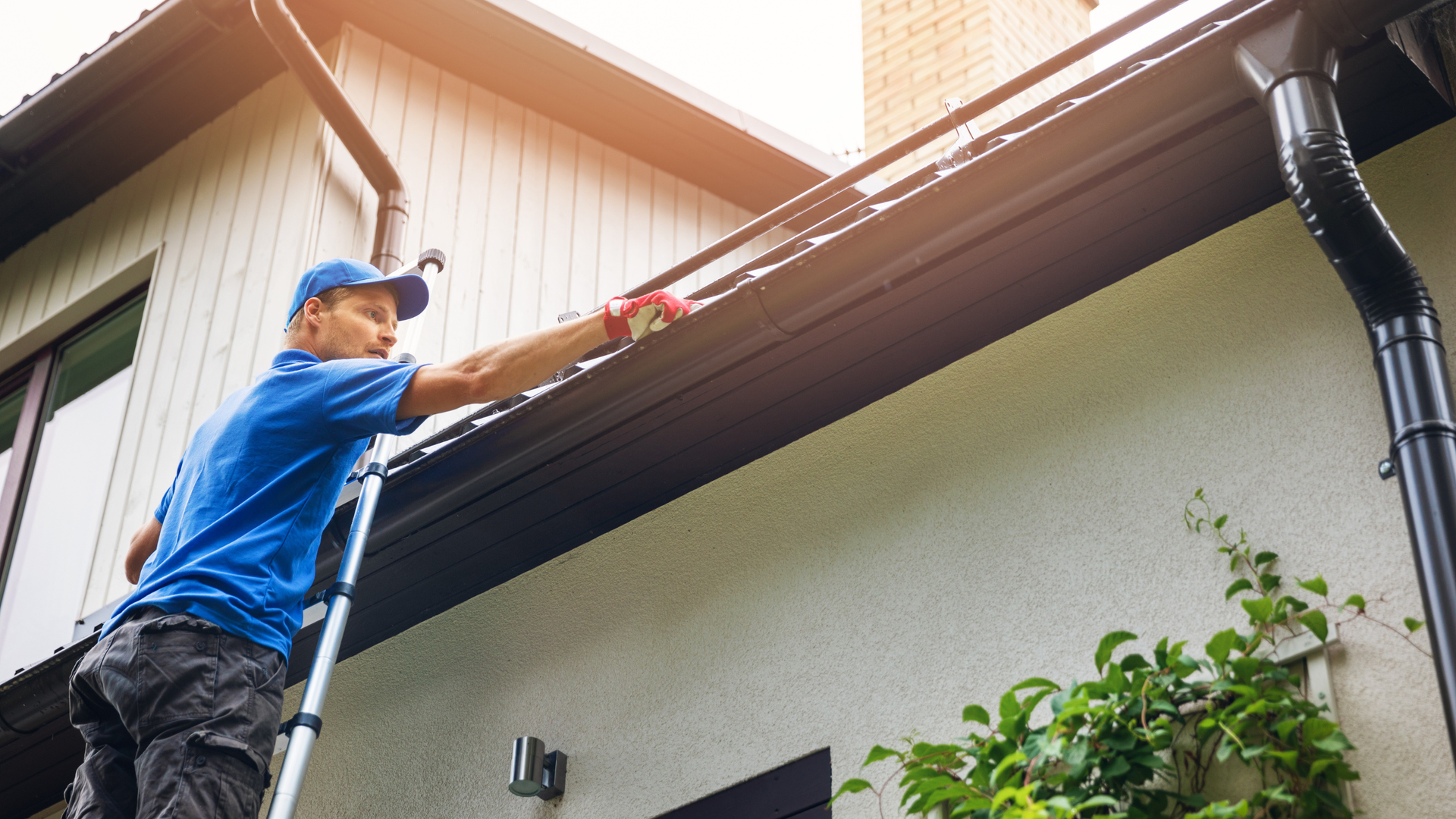
Most metal roofs benefit from periodic inspections and cleaning, especially clearing gutters and valleys, removing leaf build-up and washing down areas exposed to salt spray. Early checks can also catch small fixing or flashing issues before they turn into leaks.
Will a metal roof work with solar panels?
Yes. Metal roofing is commonly paired with solar systems. The key is proper mounting, correct flashing/penetration management (where required) and making sure the roof and solar installation work together as one system.
Is metal roofing a good option for commercial buildings and warehouses?
Often, yes. Metal roofing is widely used on commercial and industrial roofs because it performs well over large spans, can be installed efficiently, and is relatively straightforward to modify later for vents, skylights or solar.