
Signs Your Gutters Need Cleaning: 7 Red Flags NSW Homeowners Shouldn’t Ignore
Gutters are one of those “set and forget” parts of the house, right up until the first big downpour, when water starts going where it shouldn’t. A small blockage can quietly turn into fascia rot, roof leaks, mould, and even stormwater issues around your home.
Your gutters are basically your roof’s drainage system. When they’re clear, rainwater is channelled into downpipes and away from your eaves, walls, and foundations. (If you want the bigger picture, Adapt Roofing breaks it down in Discover why gutters are important for your home & property.)
If you’ve been asking yourself, what are the signs that my gutters need cleaning, this guide is built to help you spot problems early before a simple clean becomes a bigger (and more expensive) repair. For a deeper dive on prevention, see
Learn the importance of gutter cleaning & maintenance. If you’re local and want help from a team that services the region, you can also check
Central Coast roofing services.
Why Gutter Maintenance Matters (Especially in NSW Homes)
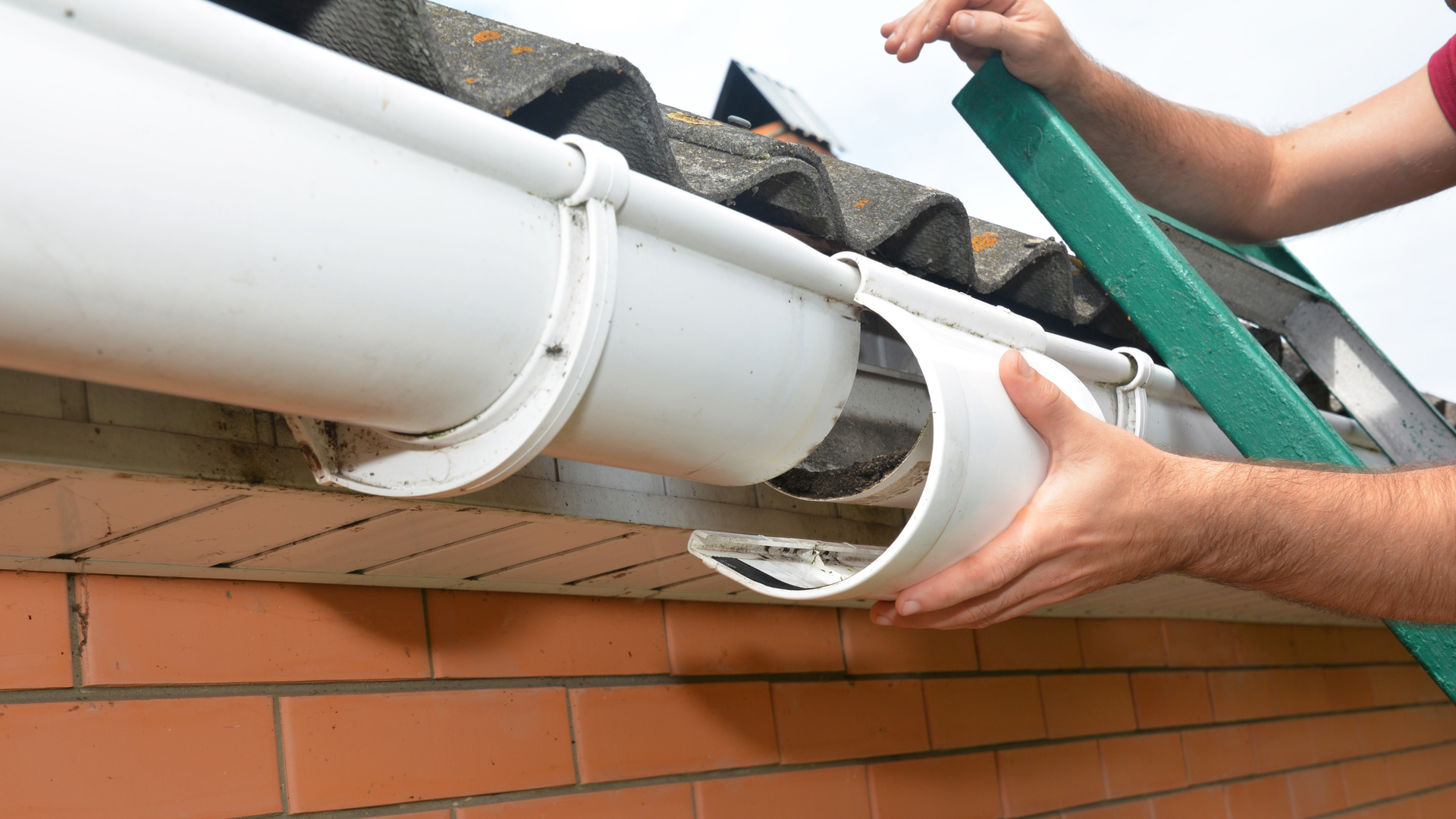
In NSW, especially across the Newcastle / Lake Macquarie / Central Coast corridor, gutters don’t just fill with a couple of leaves. Coastal winds, storm bursts, and leafy streets can pack debris into corners, valleys, and downpipe entry points more quickly than most homeowners expect.
When gutters overflow or water pools, the damage can stack up:
- Roof leaks and internal damp as water pushes back under the eaves and into the roof cavity
- Fascia and eave rot from repeated wetting (and sometimes hidden timber damage)
- Staining and premature paint failure along the roofline
- Erosion and pooling around paths, garden beds, and foundations
Quick comparison: Gutter cleaning vs. water damage
- Gutter cleaning: typically a few hundred dollars (depending on access and buildup)
- Leaks + water damage: can quickly cost thousands once damage gets inside
- If left too long: may lead to major repairs or even a full roof replacement
- Costs vary; see Adapt Roofing’s
roof repair cost and
new roof cost guides for budgeting help.
7 Clear Signs Your Gutters Need Cleaning
Below are the most common gutter cleaning signs we see around NSW homes, especially after windy weeks, heavy rain, or when trees are shedding.
1. Water Overflowing During Rain
If water spills over the gutter edge like a mini waterfall, it usually means the channel is blocked, or the downpipe can’t take the flow. In stormy Newcastle and coastal Central Coast downpours, overflow can go from “a bit messy” to “water tracking back under the eaves” fast.
2. Plants or Grass Growing in the Gutters
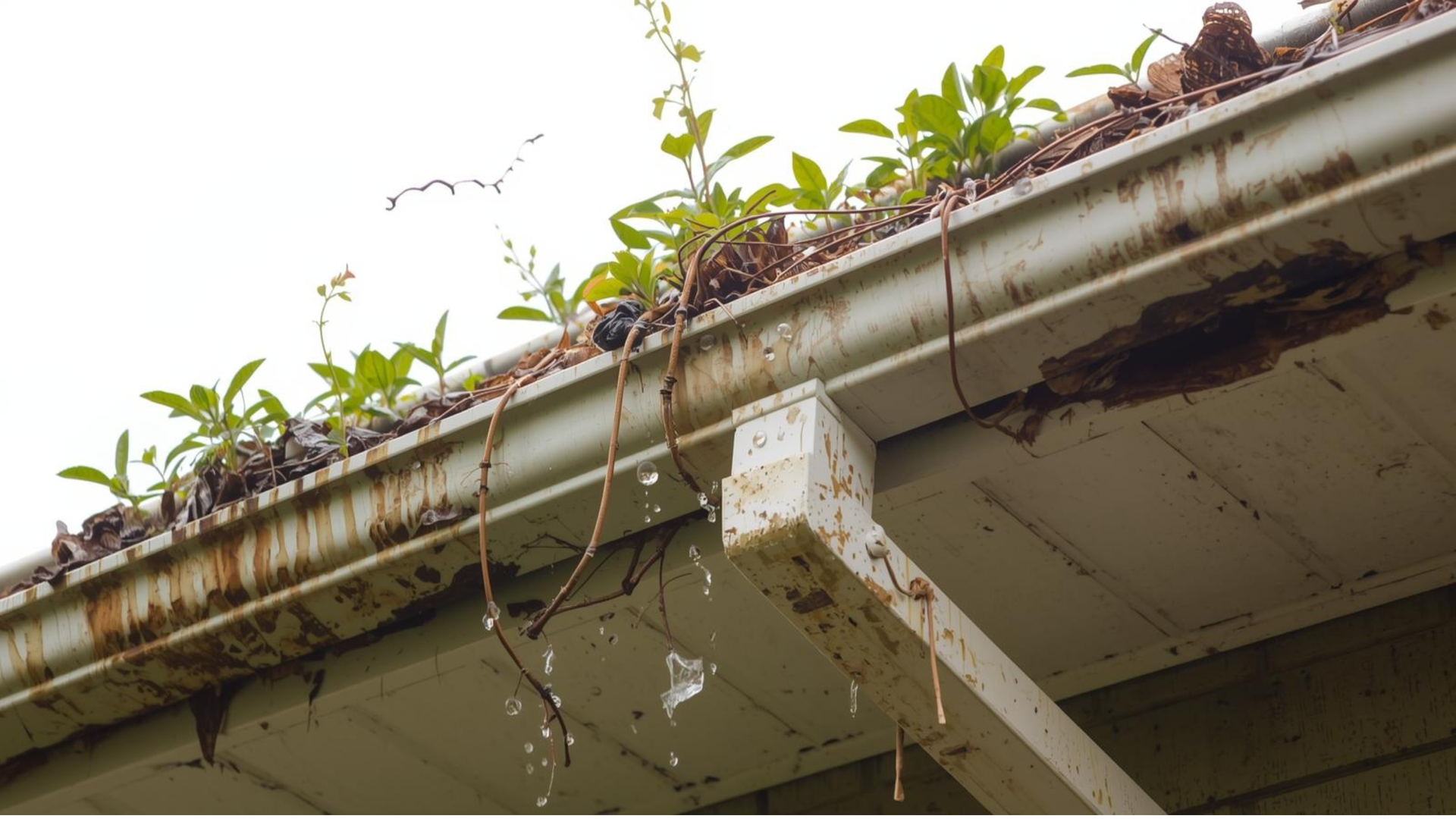
If you can see greenery up on the roofline, that’s not “nature being cute”, it’s decomposed leaf matter turning into soil. Once plants take hold, they trap even more debris and keep gutters damp for longer.
3. Sagging or Pulling Away from the Fascia
Gutters are designed to carry water, not wet sludge. When they’re weighed down by soaked debris, they can bow, sag, or pull away from the fascia. Left long enough, you can end up with broken brackets, fascia damage, or sections dropping.
4. Staining on Exterior Walls or Fascia
Dark streaks, drip lines, or patchy stains along the fascia and exterior walls are classic overflow evidence. If you’re seeing marks after rain, it’s a sign that water isn’t draining cleanly through the system, and it’s repeatedly wetting areas that should stay dry.
5. Nesting Birds, Insects, or Rodents
Blocked gutters create sheltered, damp pockets that pests love, especially birds looking for nesting material. If you’ve noticed more buzzing, scratching, or birds hanging around the eaves, it’s worth checking before nests (and mess) build up.
6. Your Gutters Haven’t Been Cleaned in 6–12 Months
Even if everything looks fine from the ground, buildup can be hiding in corners, valleys, and downpipe entry points. For many NSW properties, particularly near gums or dense street trees, 6–12 months is a sensible baseline, with extra checks after big storms. (This is covered well in Learn the importance of gutter cleaning & maintenance.)
7. Mould, Damp Patches or Leaks Inside Your Home
This is the “don’t ignore it” sign. If you’re seeing damp patches, mouldy smells, bubbling paint, or water marks on ceilings/walls, gutters and roof drainage should be checked quickly. Water that can’t escape via gutters often finds another route.
Expert tip: “If you’ve noticed more than two of these signs, a professional inspection is highly recommended.”
DIY vs Professional Gutter Cleaning: What’s Safer?
DIY gutter cleaning seems straightforward until you factor in height, awkward rooflines, slippery tiles, and uneven ground (hello, sloped blocks). The most common DIY risks include:
- Ladder slips from soft ground, uneven pavers, or a poor ladder setup
- The roof falls when moving on wet tiles or steep pitches without proper safety gear
- Accidental damage to gutters, brackets, or roof edges from the wrong tools or technique
- Blocked downpipes missed (the gutter looks “clear” but water still can’t drain properly)
A professional service isn’t just about clearing debris; it’s about doing it safely, efficiently, and with a trained eye. A proper clean is also a chance to spot early issues like rust points, loose fixings, overflow points, or water tracking back into the roofline.
If you’re weighing up whether a fix will hold or a replacement makes more sense, this guide is worth a read:
Gutters: repair or replace? Smart guide for homeowners.
Conclusion: Don’t Wait for the Damage to Appear
Gutters don’t usually fail with a dramatic warning. It’s small clues, overflow, stains, pests, and sagging that show up first. The sooner you act, the more likely it’s a simple, clean and quick fix… not internal repairs after the next storm.
If you’ve spotted a couple of signs your gutters need cleaning, don’t leave it to chance. Book an inspection or request a quote with Adapt Roofing via the
contact page. If you want to confirm coverage, you can also check the local service-area pages for Newcastle suburbs we service,
Central Coast suburbs we service, or
Lake Macquarie suburbs we service.
Key Takeaways
- Overflow, pests, or sagging gutters are key warning signs.
- NSW homes benefit from seasonal gutter checks due to storms and tree debris.
- Professional help can prevent roof leaks and reduce the chance of costly repairs later.
Frequently Asked Questions (FAQs)
How often should I clean my gutters in NSW?
A common guide is every 6–12 months, with extra checks after big storms or windy weeks. If you’re in a leafy street or near dense trees, you may need more frequent checks.
What happens if I don’t clean my gutters?
Blockages can force water to overflow under the eaves, stain fascia, and soak areas that aren’t designed to stay wet. Over time, that can lead to timber rot, mould, rusted guttering, and roof leaks.
Can blocked gutters cause roof leaks?
Yes. When water can’t exit through gutters and downpipes, it can back up into the roof edges, and the roof cavity then shows up as damp patches, mould, or water marks inside.
Is gutter cleaning covered by home insurance?
Insurance often treats gutter cleaning as routine maintenance, not a claimable event. For a clear, practical breakdown, see: Does home insurance cover gutter repair? What you need to know.
What’s the best time of year to clean gutters in the Central Coast?
Two smart times are before storm-heavy periods and after seasons when trees drop more debris. Many homeowners do a pre-summer storm check and another clean later in the year.
Can I clean gutters myself, or should I hire a professional?
If it’s a single-storey home with safe access and you’re confident with ladder safety, DIY can be possible. But if your roof is steep, double-storey, on a slope, or you’ve already seen internal water signs, a professional is safer and more thorough.
How much does gutter cleaning cost in Newcastle?
Costs vary with roof height, access, and how compacted the debris is. If you’re weighing up repairs or replacement due to ongoing issues, this guide can help with budgeting: How much does gutter replacement cost in Australia?.
What type of debris is most common in Lake Macquarie homes?
Leaf litter, small twigs, and fine grit are common, especially after windy weather. Over time, that mix can compress into sludge near downpipe entry points, which is why “it looks fine” from the ground can still hide a blockage.
Do I need gutter guards if I clean regularly?
Gutter guards can reduce larger debris, but they’re not maintenance-free. Fine material can still build up, and guards still need periodic checks, especially after storms.
Are clogged gutters a council compliance issue?
Councils generally expect properties to be maintained so they don’t create hazards or drainage issues for neighbours. If overflowing gutters contribute to stormwater problems or property damage, it can become a bigger issue, so staying on top of maintenance is the safest play.