How Long Does Colorbond Roof Last in Newcastle & the Central Coast?
If you’re a homeowner or property manager, roof lifespan isn’t just a “nice-to-know” detail; it shapes budgets, insurance chats, and whether you plan a tidy upgrade now or risk riding out another storm season.
In this guide, we’ll set realistic expectations for how long does a Colorbond roof last. You’ll get a clear lifespan range, the real-world factors that shorten or extend it around Newcastle/Central Coast, and practical maintenance habits that can add years (without babying your roof).
If you’re also comparing options or planning a new roof, you might like Adapt Roofing’s breakdown on
Colorbond installation costs and what drives them.
What Colorbond Roofing Actually Is (and Why NSW Homes Choose It)

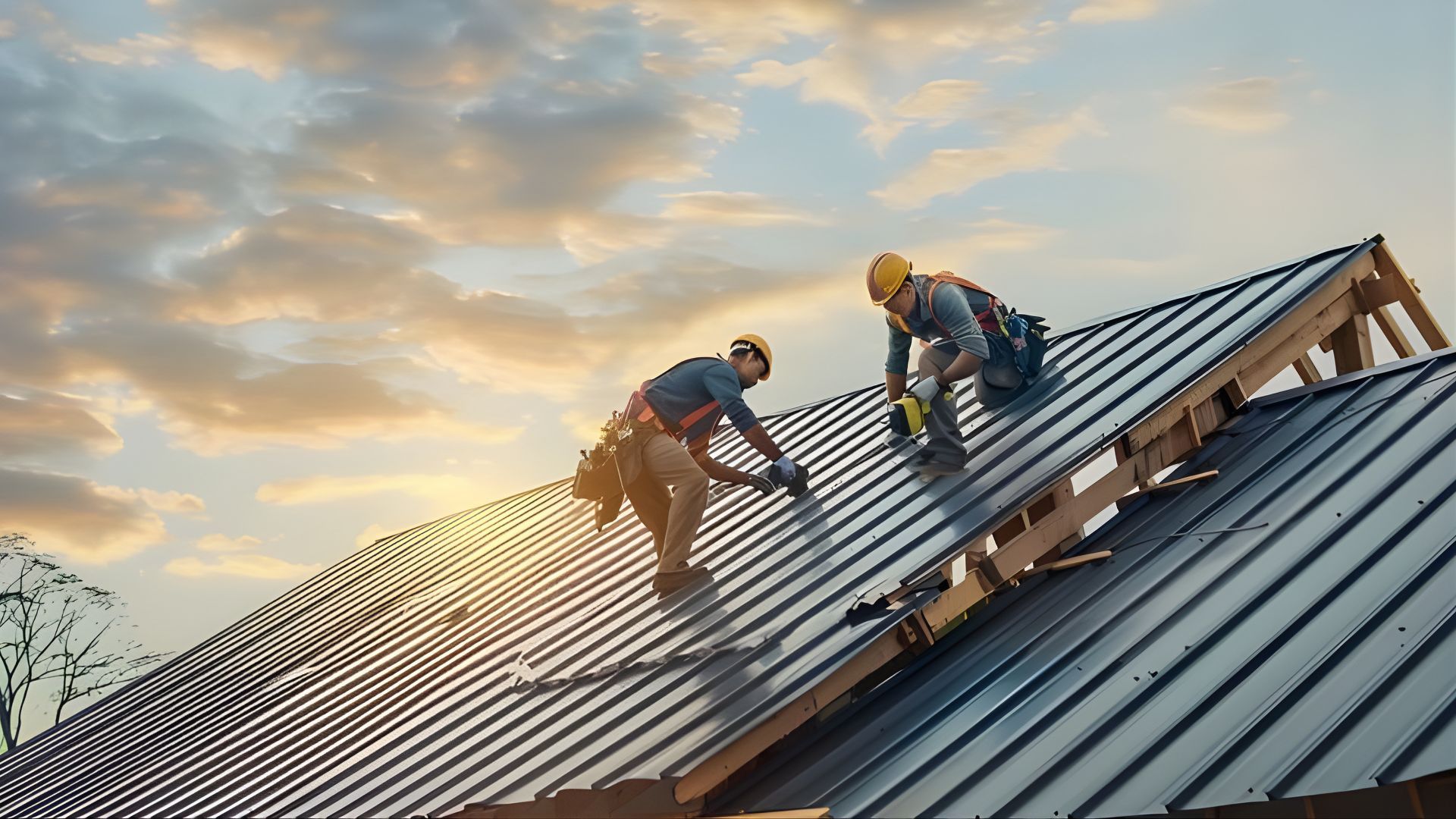
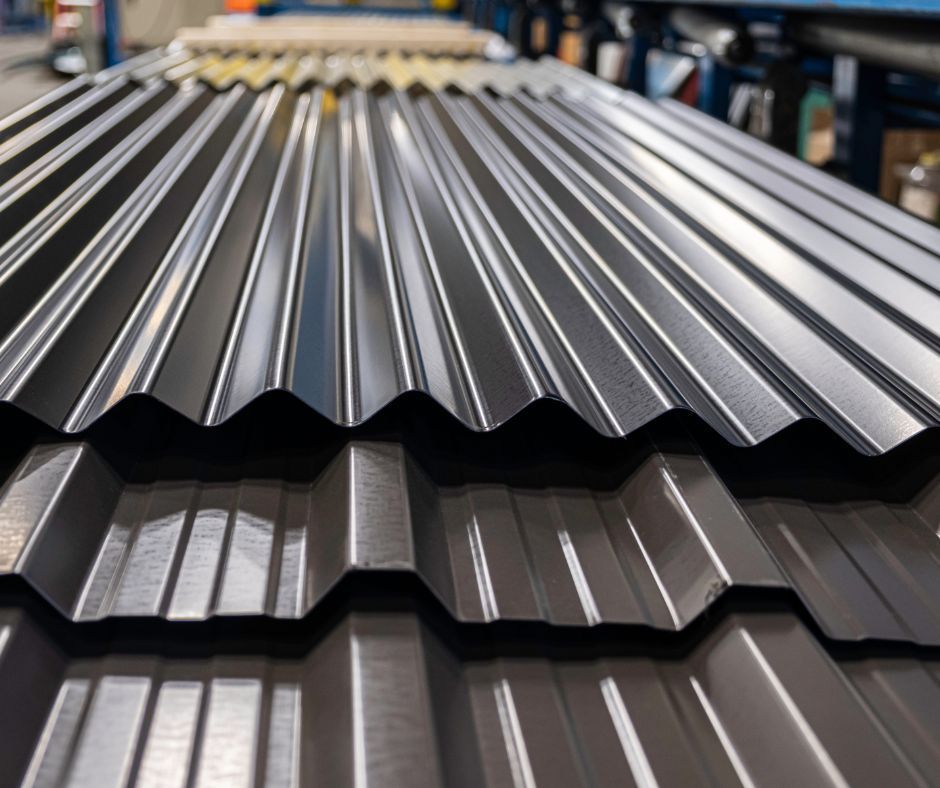
Colorbond roofing (COLORBOND® steel) is a pre-finished steel roofing system designed for Australian conditions. It uses a steel base with protective metallic and paint layers that help resist corrosion, UV exposure, and everyday wear.
It’s popular across NSW because it’s:
- Lightweight compared with many tile options (handy for older homes or re-roofing projects)
- Weather-ready, handling heavy rain and wind when installed properly
- Low maintenance (not zero maintenance, but typically less fuss)
- Aesthetically flexible, with a wide colour range that suits coastal and suburban homes
For a quick overview of why so many Aussies go this route, Adapt Roofing’s roundup of
Colorbond roof benefits for Aussie weather is a handy companion read.
Typical Lifespan of a Colorbond Roof
When people ask how long does a colorbond roof last, most reputable sources land in a similar zone: a well-installed, well-maintained Colorbond roof commonly lasts 40–70 years.
That’s a realistic service life target, not a guarantee that every roof hits the top end regardless of location, roof design, or maintenance. In practice, the roof you get at year 40 is heavily shaped by what happens in years 1–10.
Warranties vs lifespan (don’t mix them up)
Manufacturer warranties and lifespan aren’t the same thing. Warranties usually cover specific issues (such as corrosion performance or paint performance) for a set period, and they often depend on correct product selection, installation, and maintenance.
A good way to think about it: warranties are a safety net for defined defects; lifespan is the real-world “how long it performs well” result.
If you’re budgeting for future works, Adapt Roofing’s
roof repair cost guide can help you plan for the kinds of repairs that often appear as roofs age.
How Long Do Colorbond Roofs Last in NSW Conditions?
Newcastle and the Central Coast are amazing places to live, but the coastal climate can be tough on roofing systems.
Common local influences include:
- Salt air and sea spray: Homes closer to surf and headlands (e.g., Merewether, Bar Beach, Redhead, Norah Head, The Entrance, Terrigal) can see faster wear if salt residue builds up in roof “quiet zones” (valleys, behind chimneys, under solar panels, around skylights).
- Strong UV exposure: Sun plus heat cycling slowly wears coatings over time, especially on roof planes that get baked all day.
- Storms and wind-driven rain: When the weather gets wild, it tests the details of fasteners, flashings, ridge capping, gutters, and penetrations.
- Moisture and poor drainage: Leaf build-up (common near bushy gullies and big street trees) can trap moisture and accelerate corrosion in the wrong spots.
If you’re in an area that cops frequent severe weather, this guide on repairing storm-damaged roofs the right way is worth bookmarking.
And if you’re deciding whether to patch or replace, Adapt Roofing’s breakdown on
roof repair vs replacement helps clarify what’s sensible at different roof ages and conditions.
Factors That Affect Colorbond Roof Lifespan
Here’s what most impacts long-term performance, especially in coastal NSW.
a) Quality of Installation
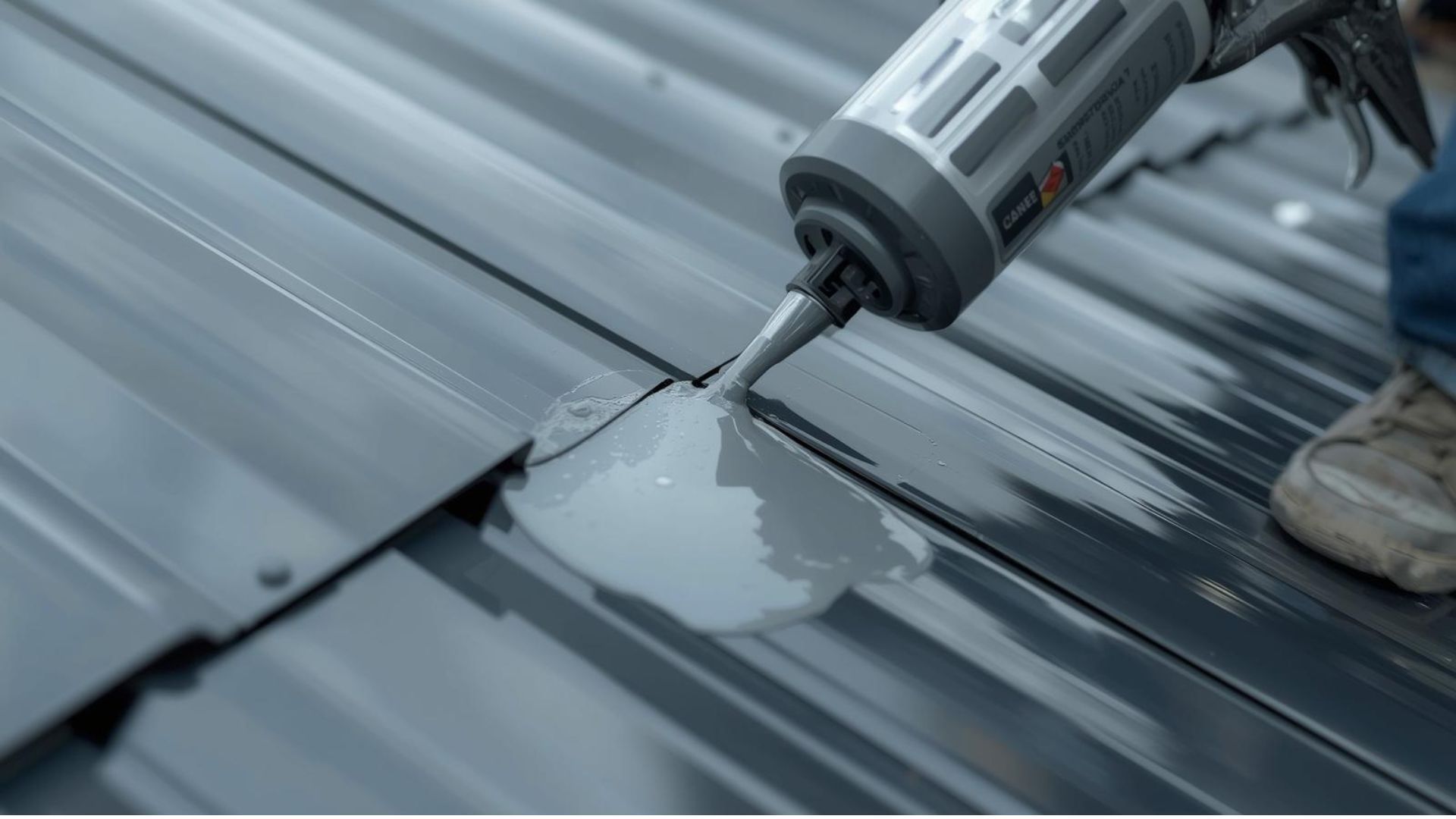
Correct flashings, fasteners, waterproofing, and roof ventilation make a huge difference. Many “early failures” aren’t because the sheet is bad; they’re because water gets in where it shouldn’t, or moisture sits where it can’t dry out.
If you’re looking for local specialists, Adapt Roofing’s core service pages are here:
- Newcastle: roof repairs in Newcastle
- Central Coast: roof repairs on the Central Coast
b) Climate / Weather Conditions
UV exposure, salt air, heavy rain, and wind loads all matter in NSW. Coastal residue plus trapped debris is a common “invisible” culprit; the roof can look fine from the street while problem zones quietly deteriorate.
c) Roof Pitch & Drainage
Steeper roofs generally shed water and debris faster. Low-pitch sections (or roofs with poor valley and gutter flow) can hold moisture longer, which increases the odds of corrosion and leaks over time. Gutters are part of your drainage system, not an afterthought.
d) Maintenance & Inspections
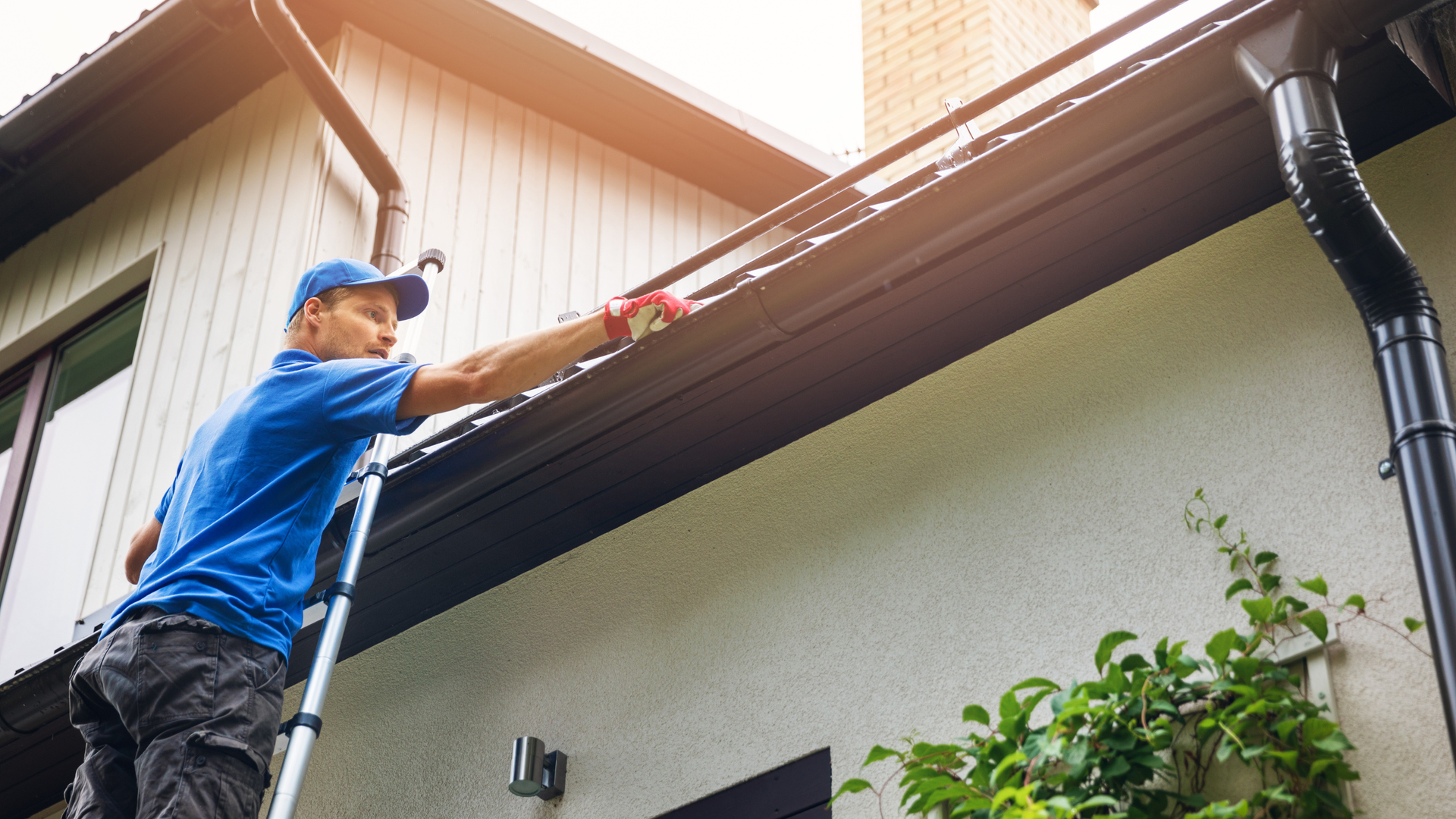
Regular cleaning of debris, gutter checks, and fixing small issues early can add years, especially near the coast. A basic roof-and-gutter routine is one of the cheapest ways to protect your long-term roof investment.
e) Colour and Heat Retention
Dark colours absorb more heat and can experience stronger expansion/contraction cycles. That doesn’t make them “bad”, it just means correct fixings, ventilation, and workmanship become even more important.
Maintenance Tips to Maximise Lifespan
A little routine beats big surprise repairs. Here’s a simple approach that fits local conditions.
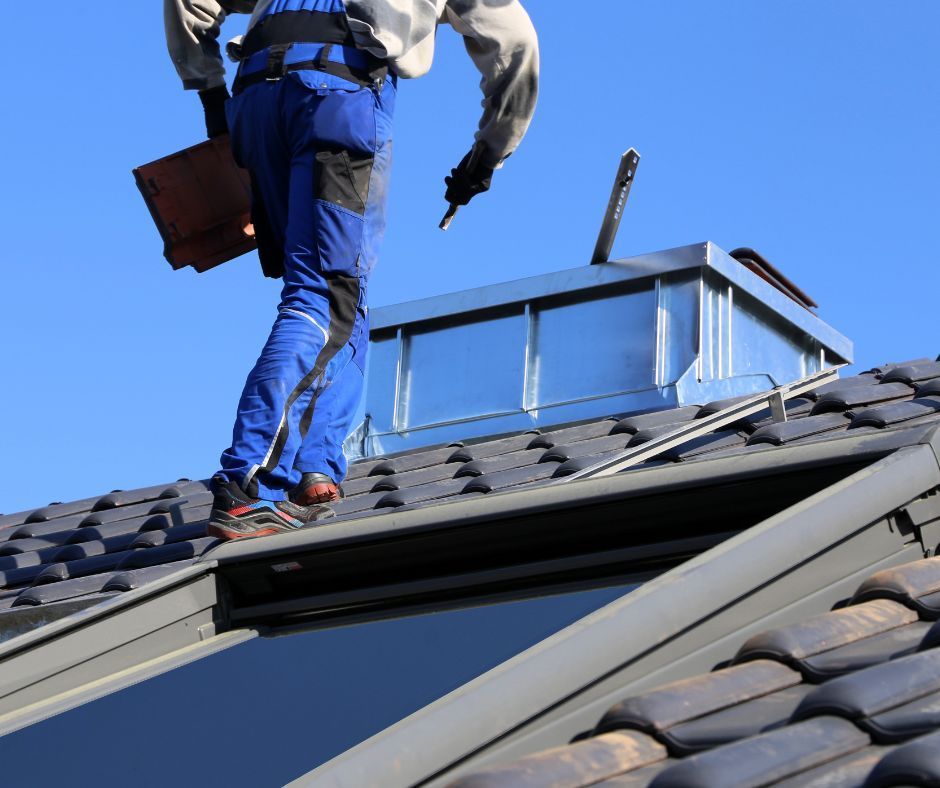
Annual visual checks (and after major storms)
- Look for scratches, lifted flashings, loose screws, or sealant breakdown.
- Check “busy” areas: around skylights, whirlybirds, plumbing penetrations, and solar.
Keep gutters and valleys clear
- Clear leaf build-up before it becomes wet compost that holds moisture.
- Pay attention to valleys, behind chimneys, and around skylights; debris loves hiding there.
Trim overhanging branches
This reduces debris build-up and helps prevent impact damage in storms.
Book periodic professional inspections
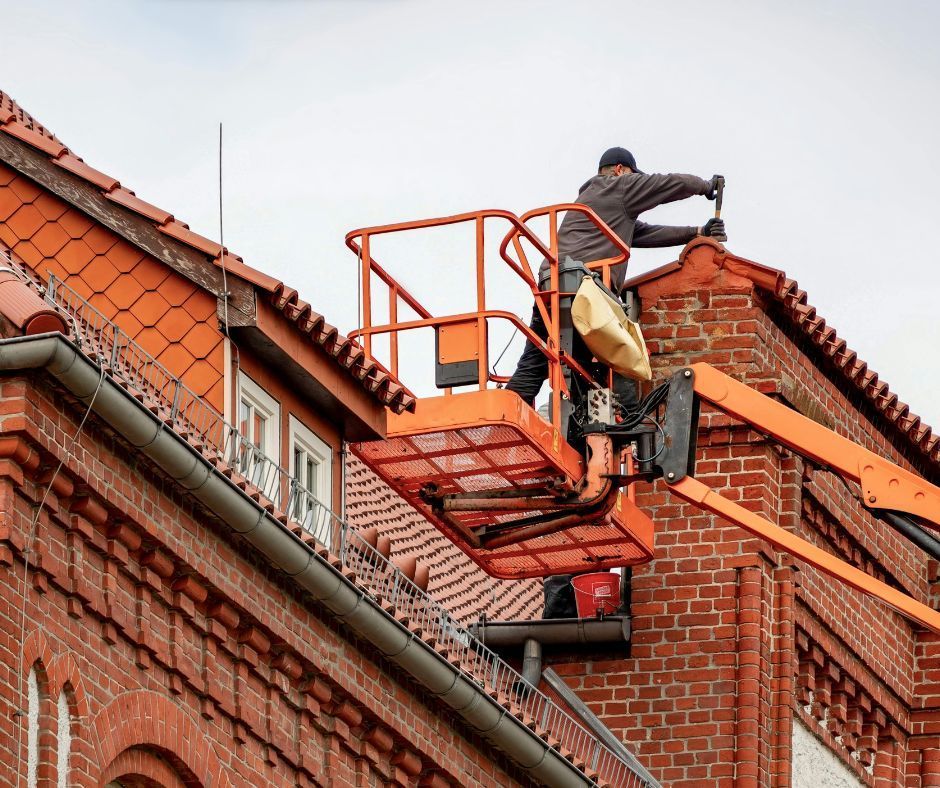
A pro can spot early corrosion, movement, drainage design issues, and flashing problems before they become ceiling stains.
For a deeper step-by-step checklist, Adapt Roofing’s article
Your guide to proper Colorbond roof maintenance is the best next read.
Signs Your Colorbond Roof May Need Repair or Replacement
Some ageing is normal, but these signs deserve action:
- Persistent leaks or water ingress
- Rust spots or corrosion patches (especially in valleys and “unwashed” sheltered zones)
- Paint cracking/chipping beyond normal fading
- Sagging roof lines or structural concerns
If you want more “what it looks like in real homes” examples, Adapt Roofing’s article on
signs your roof needs replacing in a Newcastle home is a useful reference point.
Colourbond vs Other Roofing Materials
If you’re evaluating replacement options, lifespan is only one piece, but it’s a big one.
Colorbond vs concrete/terracotta tiles
Tiles can last a long time, but tiled roof systems often face issues like cracked/slipped tiles, ridge capping deterioration, ageing underlay, and higher ongoing maintenance after storms.
Metal roofing can be simpler to maintain long-term, provided it’s correctly installed and drained.
If you’re in a tile-roof home and weighing timing, Adapt Roofing’s guide on how often tile roofs need to be replaced can help you compare apples with apples.
A practical “worth it” lens
When homeowners ask, “Is it worth it?”, the better question is:
Will this roof suit my location and reduce my long-term maintenance stress? For many Newcastle/Central Coast properties, Colorbond ticks that box, especially with the right product selection for coastal exposure.
Summary: Realistic Lifespan Expectations
So, how long does colorbond roof last in real NSW conditions?
- With good installation and consistent basic maintenance, 40–70 years is a realistic expectation range even around coastal Newcastle and the Central Coast.
- The biggest local influencers are salt exposure, UV, storms, roof design/drainage, and how quickly you deal with small issues.
- If you’re close to the ocean, correct material selection and keeping “quiet zones” clean can make a noticeable difference over the long run.
If you want a local team to assess your roof or you’re planning repairs or a replacement, you can explore Adapt Roofing’s service and coverage pages here:
Newcastle roofing,
Central Coast roofing,
roof replacement in Lake Macquarie, plus suburb lists for
Newcastle and
Central Coast.
Frequently Asked Questions (FAQs)
How long will a brand-new Colorbond roof last in NSW?
A well-installed roof commonly falls into the 40–70 year service-life range, but your exact result depends on exposure (especially coastal salt), drainage design, and maintenance consistency.
Does NSW coastal weather shorten colorbond roof lifespan?
It can mainly be due to salt residue, strong UV, and storm exposure. Correct material selection for your environment, quality detailing, and sensible cleaning/inspections help reduce the “coastal penalty.”
How often should I inspect/maintain my Colorbond roof?
A sensible baseline is annual checks (plus after major storms), with professional inspections every few years, sooner if you’re close to the ocean or have lots of valleys/penetrations.
Does roof colour affect how long it lasts?
Colour affects heat absorption and thermal movement. Darker colours tend to run hotter, which can increase expansion/contraction cycles. With correct fixings and ventilation, colour choice is usually manageable.
Can Colourbond roofs be repainted or refurbished?
In many cases, yes, if the structure is sound and corrosion isn’t widespread. Preparation is everything (cleaning, treating corrosion, using correct primers/coatings). A professional assessment will tell you if refurbishment is worthwhile.
Is a Colorbond roof worth it compared with tiles?
For many NSW homes, yes, particularly if you want a lighter roof system with fewer moving parts and straightforward maintenance. Your best option depends on your structure, exposure, and budget.
What defects reduce lifespan quickly?
Poor drainage, debris build-up in valleys, incorrect fasteners, poorly detailed penetrations, and skipped maintenance are common culprits. Coastal “unwashed” sheltered zones can also deteriorate faster if salt residue is left to sit.
How do warranties work on Colorbond roofing?
Warranties vary by product, application, and exposure category, and they’re usually tied to correct installation and maintenance. If you’re organising work, it helps to keep your quote and scope details on file.
If you’d like to talk to a roofer about your property, use Adapt Roofing’s contact page to book a local assessment.