Are Gutter Guards Worth It? An Honest Guide for NSW Homes
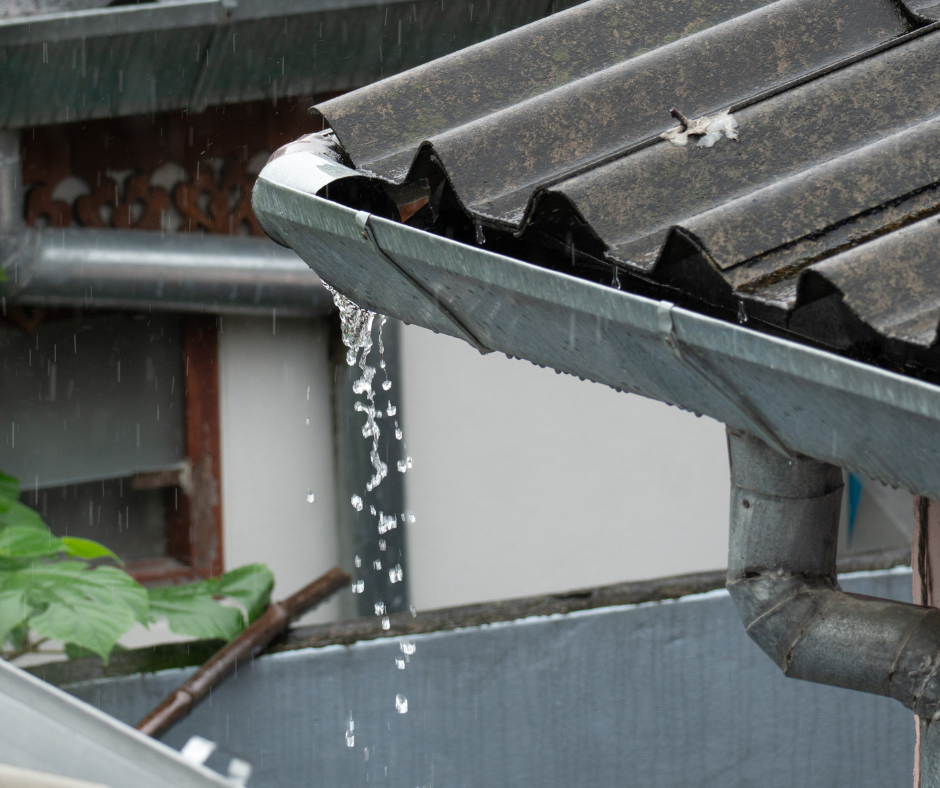
Cleaning the gutters is a job most people put off for as long as they can. Drag the ladder out, climb up, pull handfuls of wet gum leaves out of the gutter, and try not to think too hard about how far down the ground is. Then a storm rolls through, and the gutter overflows anyway.
So are gutter guards worth it, or are they another product sold on a promise it cannot keep? They are worth it for a lot of homes, and a waste of money for a few, and the difference comes down to your trees, your roof, and whether the guard was chosen and fitted properly in the first place.
The Short Answer on Gutter Guards
For most homes with trees anywhere near the roofline, a quality gutter guard earns its money back. It cuts blockages and overflows, stops wet debris sitting against the metal and rusting it out early, and in bushfire areas it removes one of the easiest ways for an ember to start a house fire. Adapt Roofing has been working on roofs and gutters across Newcastle, Lake Macquarie, the Hunter and the Central Coast for more than 25 years, and that pattern holds up job after job.
What a guard will not do is make your gutters maintenance-free. Anyone promising that is selling you something. Fine grit and broken-down leaf matter still work through or sit on top of the mesh, so an annual look is still part of owning a roof. Cheap plastic mesh can also leave you worse off than bare gutters, because it sags, goes brittle in the sun and can send water sheeting straight over the front edge.
How Do Gutter Guards Work?

A gutter guard is a barrier fitted over the top of the gutter that lets water through and keeps leaves, twigs, bark and seed pods out. You will hear them called leaf guards, gutter mesh or gutter covers. They all do the same core job, which is keeping the channel clear so water reaches the downpipe instead of banking up behind a plug of wet debris and spilling over the front.
Homeowners ring us and ask whether gutter guards work, and the answer is yes when the mesh, the roof profile and the installation are all right. Water passes through fine mesh far more readily than most people expect. Debris either blows off the top once it dries out or breaks down small enough to wash through.
Local conditions are what make the difference here. Under spotted gums and paperbarks, the leaf drop is constant rather than seasonal, and bark strips are the worst offender because they lie flat and knit together into a mat that water cannot get past. Add coastal wind carrying salt and fine grit, that is more debris than most people plan for, and a gutter that cannot clear it stops protecting the house, which is the whole reason gutters matter in the first place.
The Main Types of Gutter Guard
Not all guards are the same product at different prices. They work in genuinely different ways, and the wrong type on the wrong roof is where most of the bad experiences come from.
Aluminium & Steel Mesh
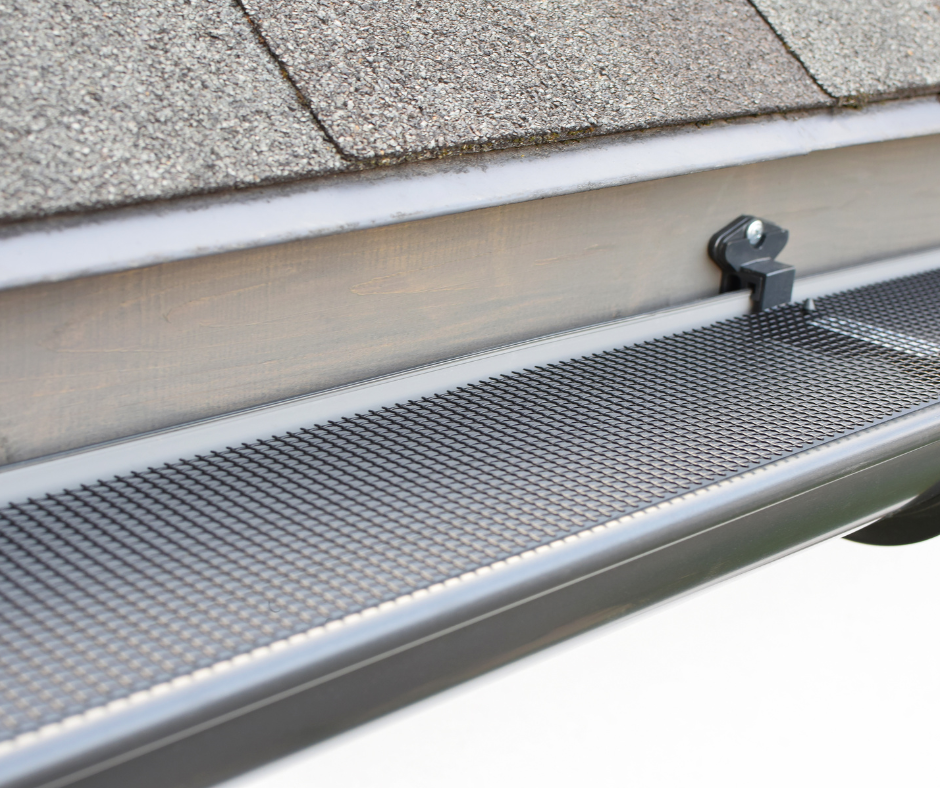
A woven or expanded metal mesh spans the gutter and fixes to the roof on one side and the gutter lip on the other. It is non-combustible, holds its shape under wind and heat, and is the type most often specified where bushfire matters.
Micro Mesh
A finer version of the same idea, with openings small enough to stop pine needles, seed pods and most grit rather than just leaves. It is the best performer on debris, and the trade-off is a higher price and a mesh that needs the occasional brush-off in heavy leaf litter areas.
Surface Tension or Helmet Guards
A solid curved cover that relies on water clinging to the curve and running into a slot while debris tumbles off the edge. They shed large leaves well. In very heavy rain, water can overshoot the slot and run past the gutter entirely.
Flat & Louvred Screens
Rigid panels with slots or perforations that sit over the gutter. They are cheap and quick to fit, and the larger openings mean smaller debris still gets in, so they reduce cleaning rather than remove it.
Foam Inserts
A wedge of foam pushed into the gutter channel so debris sits on top. Easy to fit and inexpensive, but the foam holds moisture, breaks down under UV, and turns into a damp sponge that speeds up corrosion rather than slowing it.
Brush Guards
A long bristle brush laid inside the gutter. Same idea as foam and the same problem. Debris tangles in the bristles, and pulling them out to clean them is a messier job than cleaning the gutter was in the first place.
| Type | Blocks fine debris | Suits bushfire areas | Durability | Best for |
|---|---|---|---|---|
| Aluminium or Steel Mesh | Good | Yes, non-combustible | High | Most homes, all-round choice |
| Micro Mesh | Excellent | Yes, non-combustible | High | Heavy leaf litter, pine needles, tank water |
| Surface tension/Helmet Guards | Moderate | Depends on material | Moderate to high | Large leaf drop, lower rainfall |
| Flat/Louvred Screen | Low to moderate | Only if metal | Moderate | Budget jobs, light debris |
| Foam insert | Low | No | Low | Short-term or temporary fixes |
| Brush guard | Low | No | Low | Rarely the right answer |
Where a Gutter Guard Is Worth It, the Real Payoffs
The obvious win is fewer blockages, but that is not usually the one that changes the maths. Keeping wet organic matter out of the gutter means the metal stays dry between rain events, and gutters that stay dry last a great deal longer than gutters that sit full of decomposing leaves for months at a time. If you harvest rainwater, cleaner water reaching the tank is a second real gain, and standing water in a blocked gutter is a reliable mosquito nursery.
A guard also protects the parts you cannot see. Most blockages do not start in the gutter itself; they start where the gutter meets the downpipe, and a plug there backs water up along the whole run. Keeping that junction clear is quietly one of the biggest wins, especially on a home where the downpipes are forever choking.
Then there is the cost of doing nothing. A gutter that overflows every storm puts water where the roof was never designed to send it, which shows up as rotted fascia, saturated eaves, stained ceilings and water tracking back into the wall cavity. Left long enough, wet debris drags the brackets away from the fascia, and the whole line reaches the stage where it needs replacing rather than repairing.
Gutter Guards & Bushfire: What the Rules Require
In bushland areas, this stops being a convenience question. Dry leaf litter sitting in a gutter is one of the easiest things for a wind-borne ember to set alight, and embers travelling ahead of a fire front are responsible for the majority of homes lost. The NSW Rural Fire Service lists metal gutter guards among the measures for preparing a home in a bushfire area.
Building work in a designated bushfire-prone area is governed by Australian Standard AS3959, and the requirements that apply to your property flow from its Bushfire Attack Level, or BAL, rating. For gutters, the practical upshot is that guards in these areas need to be non-combustible, and where the mesh is doing the job of an ember guard, the openings have to be fine enough to stop embers passing through. Plastic and poly mesh are out entirely, because they can soften, melt or burn the moment an ember lands on them.
Two things worth doing before you buy. Confirm the BAL rating for your property with your local council, because it drives which products are acceptable. Then check that whoever quotes you can tell you what the mesh is made from and how the joins, valley sections and gutter ends are sealed, since an unsealed gap makes the rest of the system close to pointless.
Getting the Right Gutter Guard for a Tiled or Metal Roof
Guard selection is only half of it. How the guard meets your particular roof is the part that decides whether it works in five years or becomes a problem you have to undo.
On a tiled roof, the mesh generally needs to run up under the first course of tiles so there is no gap for debris or embers at the back edge. Lift and support the tiles wrong, and you create a lip that catches leaves, or worse, a path for water to get in behind the gutter. Tiles are also brittle, and walking a tiled roof badly costs more in cracked tiles than the guard did.
On a Colorbond roof or other corrugated metal roof, the profile is the thing to solve. Mesh has to follow the ribs closely enough that there is no open channel underneath, and the fixings have to suit the sheet without creating new penetrations that will leak later. Valleys are their own job again, since a valley carries a lot of water quickly and a guard that chokes it will send water over the side.
Anyone comparing a cheap DIY kit to a professional installation is really weighing up whether a gutter guard is worth it at the higher price, and on tile or anything above single-storey, the answer is usually yes. Another good thing to know is that a gutter guard is the wrong first spend on already rusting, sagging or leaking gutters, so have the gutters repaired or replaced first and guard them once they are sound.
The Honest Limitations
No guard is 100%, and the ones marketed that way are the ones to be most careful with. Fine grit, broken-down leaf matter and seeds either work through the mesh or build up as a mat on top of it, particularly under heavy leaf litter. What a good guard changes is the frequency and the difficulty of the job, not its existence.
What decides gutter guard lifespan more than anything else is the material. Metal mesh that is properly fixed and sealed will keep doing its job for many years and generally outlasts the plastic clips some systems use to hold it. Foam, brush and lightweight poly products degrade under Australian UV, and the gap between the cheapest and the most durable option is usually measured in whether you are paying for this once or every few years.
Do gutter guards work in heavy rain? A well-chosen, well-installed guard passes it. The horror stories come from poor fits, because a mesh sitting proud of the gutter lip or a surface tension cover on too steep a pitch will let water run past the gutter altogether during a downpour. That is an installation fault rather than a fault with the concept, which is precisely why the quote matters more than the product brochure.
Treat any claim that you will never clean your gutters again as a red flag, not a feature. A guard reduces the work; it does not end it, and the usual gutter upkeep still applies once one is fitted, just far less often.
So, Are Gutter Guards Worth It?
Strip away the marketing, and it comes down to how much debris lands on your roof and how hard your gutters are to reach.
Worth it for you if:
- You have gums, pines, paperbarks or any overhanging canopy near the roofline
- Your home is two-storey, has a steep pitch, or the gutters are awkward to access safely
- You are in a bushfire-prone area, where a compliant guard is part of the defence
- You harvest rainwater and want cleaner water reaching the tank
- You are already paying someone to clean the gutters two or three times a year
Probably not worth it for you if:
- There is almost nothing overhanging the roof and debris is wind-blown grit only
- Your gutters are single storey, easy to reach, and a yearly clean is a job you do not mind
- The gutters are already rusted or failing, in which case repair or replacement comes first
- The only quote you have is for foam or brush inserts, where the money is better saved
The Bottom Line on Gutter Guards
For most homes near trees, the answer lands on the yes side, provided the guard is matched to your roof and your bushfire rating and fitted by someone who will still be around if it needs adjusting. Go in expecting a good guard to turn a dreaded seasonal chore into an occasional check, not to abolish it, and you will be happy with the result.
If you want a straight answer for your specific roof rather than a general one, that is a conversation worth having on site.
Adapt Roofing is family-owned, Gary is on every job, and every inspection is free with no pressure attached. Get in touch whenever suits you.
Key Takeaways
- For homes with trees near the roofline, a quality gutter guard is generally worth the spend, cutting blockages, ladder trips and early gutter corrosion.
- No guard makes gutters maintenance-free, and an annual check should still be part of the plan.
- Metal mesh and micro mesh outlast foam, brush and plastic products by a wide margin.
- In bushfire-prone areas, the guard must be non-combustible and suited to the property's BAL rating, which rules plastic out.
- Tiled and metal roofs need different guard details and fixings, so the installation matters as much as the product.
- Fix rusted or sagging gutters before fitting a guard, never the other way around.
Frequently Asked Questions
Are gutter guards worth the spend?
For most homes with trees nearby, yes. Australian conditions actually strengthen the case, because gum leaf and bark drop is constant rather than seasonal, and bushfire risk adds a safety dimension that does not exist in a lot of overseas advice on the subject. The catch is the same everywhere, which is that the guard has to be the right type for your roof and properly installed to deliver any of it.
Do gutter guards actually work?
Yes, a good one keeps the large majority of debris out of the gutter and dramatically reduces blockages and overflow. Fine grit and decomposed leaf matter will still find their way through or settle on top, so think of it as a large reduction rather than elimination. If guards fail, it is almost always down to a cheap product or a poor fit rather than the idea itself.
What are the disadvantages of gutter guards?
The upfront cost is the main one, and it is a real consideration if your roof barely collects debris. Beyond that, a guard is not maintenance-free; cheap mesh degrades in the sun and can sag, and a badly fitted system can make water sheet over the gutter in heavy rain. Foam and brush inserts carry the extra problem of holding moisture inside the gutter, which works against you.
Do I still need to clean my gutters if I have guards?
Yes, though far less often and with much less mess. On most guarded homes, an annual inspection with a brush-off of anything sitting on top of the mesh is enough, compared to two or three full cleans a year without one. It is also worth checking the guard itself for lifting, sagging or damaged sections while you are up there.
What gutter guard is best for a bushfire prone area?
A non-combustible metal mesh with openings fine enough to work as an ember guard, matched to your property's BAL rating. Plastic and poly products are unsuitable because they can melt or burn under ember attack. Confirm your BAL rating with your local council first, since it determines what is acceptable for your address.
How long do gutter guards last?
Metal mesh systems that are correctly fixed and sealed last many years and are typically the longest-lived option. Foam, brush and lightweight plastic products have much shorter working lives because Australian UV breaks them down. Ask any installer what the mesh is made from and how it is fixed, since fixings often fail before the mesh does.
Do gutter guards hold up in a downpour?
A properly specified and installed guard handles heavy rain without trouble. Failures happen when mesh sits too high above the gutter lip, or when a surface tension cover is used on a pitch too steep for it, which lets water carry past the opening. If your area gets intense downpours, raise that specifically when you get a quote.
Do I need a gutter guard if I do not have many trees?
The payback is slower, and for some homes it will not stack up. That said, wind-blown grit, roof debris, bird nesting and insect activity all still cause blockages, and rainwater harvesters often fit guards purely for water quality. If access to your gutters is easy and a yearly clean does not bother you, spending the money elsewhere is a reasonable call.
What type of guard suits a Colorbond or a tiled roof?
Both can be guarded well, but the detailing differs. Tiled roofs usually need the mesh running under the first tile course, while metal roofs need the mesh profiled to the sheet ribs without creating leak points. This is the main reason a professional installation tends to outperform a DIY.
Can gutter guards be fitted at the same time as other roof work?
Yes, and it is often the most efficient time to do it. If you are already having a re-roof, a gutter replacement or fascia work done, the access and the labour are largely there. It also means the guard is fitted to gutters that are in good condition, which is the order you want.