What Is Sarking? A Simple Guide for Australian Homeowners
Most people first hear this word in the quoting stage. The roofer mentions sarking, you nod, and the job moves on before anyone stops to explain what it actually is or why it costs what it costs.
It is worth knowing, because what is sarking doing up there turns out to be one of the more useful questions a homeowner can ask. It sits out of sight for the entire life of a roof, and when it is missing or damaged, the symptoms show up as problems people usually blame on something else. Stains on a ceiling. A musty roof space. Damp insulation that never seems to dry out.
What Sarking Is, In Simple Terms
Sarking is a thin, flexible layer installed underneath your roof tiles or metal sheeting, usually a reflective foil laminate or a woven membrane laid over the rafters or battens before the roof covering goes on. It works as a secondary barrier, catching wind-driven rain and dust that gets past the roof covering, managing condensation in the roof space, reflecting radiant heat, and helping to keep embers out during a bushfire.
It is not the thing keeping the water out. Your tiles or sheeting do that job. Sarking is the backup layer underneath. Adapt Roofing is a family-owned roofing team working across Newcastle, the Hunter and the Central Coast, and Gary, our owner and licensed roof plumber, is on the tools for every job we take on. We see the consequences of missing or poorly installed sarking often enough to have strong views about it.
What is Sarking in Roof Construction?
Think of a roof as a system rather than a single surface. The tiles or the metal sheeting are the first line of defence, and they do most of the work. Sarking is the second skin underneath, and it earns its place on the days the first line gets tested.
It does four jobs at once.
- Catches wind-driven rain and fine dust that blows up under tiles or through gaps around penetrations, then directs it down the slope toward the gutter line rather than into the ceiling
- Manages condensation by giving warm, moist air from inside the home a controlled surface to meet instead of the cold underside of the roof covering
- Reflects radiant heat, which reduces how much summer heat loads into the roof space in the first place
- Holds back embers and burning debris during a bushfire, which is why it appears in bushfire construction requirements
There is a fifth benefit nobody thinks about until they need it. During a re-roof, sarking keeps the house dry and secure between the old covering coming off and the new one going on. On a job that runs into a wet week, that is not a minor thing.
Understanding Sarking Meaning & What It Is Made From
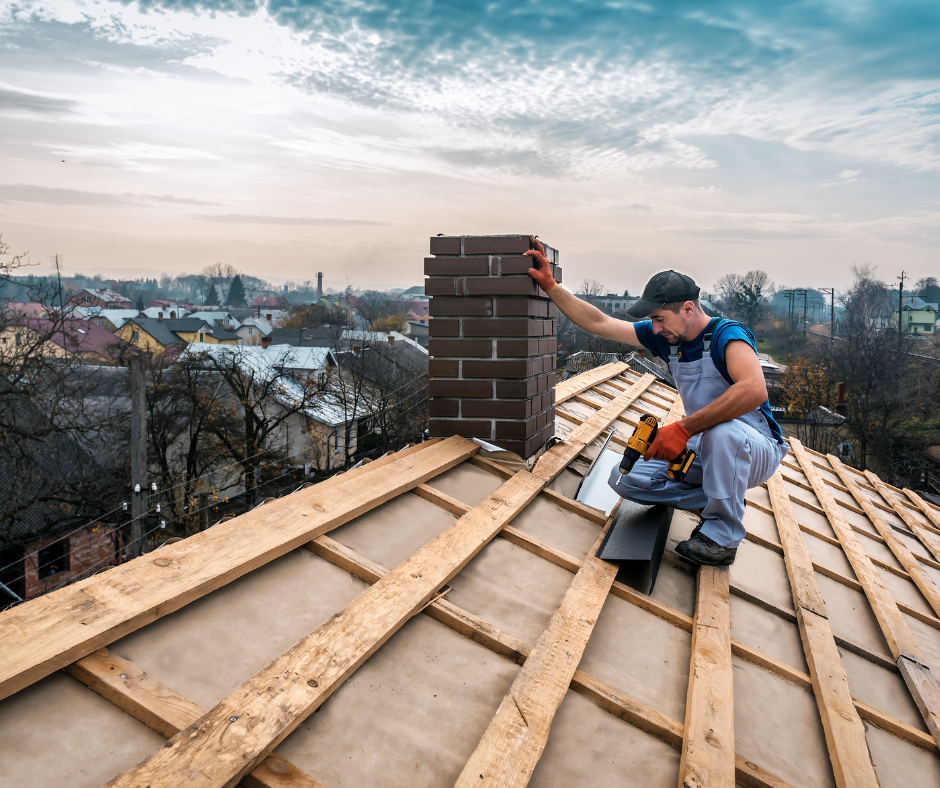
Here is where a lot of the online confusion comes from. What the word refers to depends on which century you are talking about.
In older building language, sarking meant timber boards fixed across the rafters to form a solid deck under the roof covering. You still see that construction on some heritage homes. In modern Australian roofing, the word almost always means a pliable membrane, and that is what a roofer is quoting you for.
Modern sarking comes in three broad materials:
- Reflective foil laminates, which are aluminium foil bonded to a reinforcing scrim or paper backing.
- Woven polymer membranes, which are tougher and handle site traffic better.
- Vapour permeable wraps, which let moisture vapour escape outward while still blocking liquid water coming in.
They may look similar, but they behave very differently once they are on a roof, which is why the choice is not one to leave to whoever is cheapest.
What Is Sarking In Roof Setups & How Do the Types Differ
Most homeowners run into four product names and assume they are interchangeable. They are not. Reflective foil sarking is the one most people picture, but it is only one of the options, and the differences are worth knowing before you sign anything.
| Product | What it is | What it does best | Typically suits |
|---|---|---|---|
| Reflective foil sarking | Aluminium foil bonded to a reinforcing backing | Reflects radiant heat, basic moisture and dust control | Tiled and metal roofs in warmer areas |
| Vapour permeable wrap | A breathable membrane that blocks liquid water but lets vapour pass | Condensation management in cooler or humid conditions | Metal roofs, well-sealed modern homes |
| Sisalation | A brand name for a range of reflective foil laminates that’s later used as a term for reflective foil roof | The same role as reflective sarking | Wherever foil sarking suits |
| Anticon blanket | Foil sarking bonded to a layer of insulation blanket | Thermal insulation plus a sarking layer in one product, and it dampens rain noise | Metal roofs where insulation and sarking go on together |
Is Sarking Waterproof? Clearing Up the Biggest Myth
No. And this is the single most common misunderstanding we come across.
Sarking is a water-resistant secondary barrier. It handles incidental moisture, the wind-driven rain that finds its way under a tile, the condensation that forms on a cold morning, and it channels that water down to the gutter. What it cannot do is hold back a genuine leak from cracked tiles, failed flashings, rusted sheeting, or a blocked box gutter backing water up under the roof line.
The myth and the reality. Sarking is not a waterproofing layer, and it never was. Once water is sitting on it in volume, something above has already failed. A roof with sarking and a real defect will still leak into the house; it will just take longer and be harder to trace.
This is also where the sarking meaning gets stretched further than it should. Foil sarking is sometimes sold as though it were insulation. It reflects radiant heat, which is genuinely useful, but reflective foil on its own is not a substitute for bulk insulation, and it will not give you the R-value that insulation does. Two different products, two different jobs.
Sarking Under a Tiled Roof vs a Metal Roof
The reason sarking is there changes depending on what sits above it.
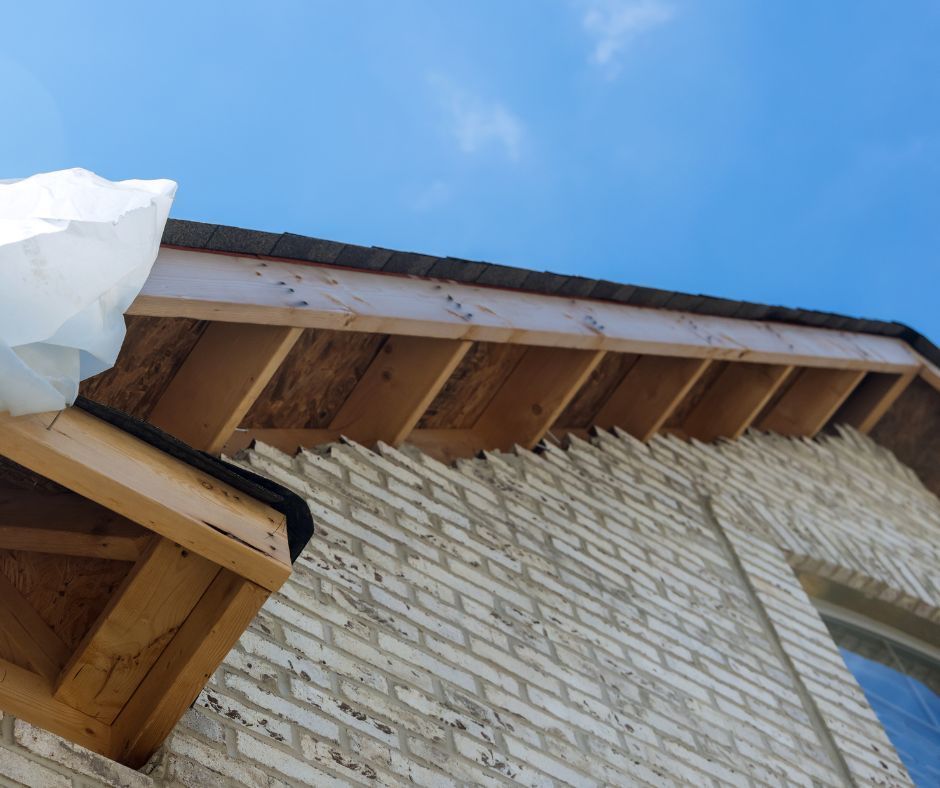
Under tiles, the priority is water and debris. Tiles are not a sealed surface; they are overlapping pieces that shed water by gravity, and in a strong southerly they will let a certain amount of rain and grit past. Sarking catches it before it reaches the battens, the insulation, and the ceiling below.
Under metal, the priority shifts to condensation control. Colorbond and other steel sheeting cool down fast overnight, and warm, moist air rising from inside the house condenses on the cold underside of the sheet.
On a still, cold morning, that is enough to drip onto insulation and slowly ruin it. Our winters here are the wet ones, and they are exactly when this shows up. Sarking, combined with proper roof space ventilation, gives that moisture somewhere to go.
If you are weighing up a steel roof, our Colorbond roofing services cover how the whole build-up goes together, and what whirlybirds actually do is worth a read on the ventilation side of the same problem.
Is Sarking Mandatory in Australia?
Once you know what sarking is in roof builds, the next question is usually whether it is compulsory. There is no single national rule that says every roof must have it. Instead, there are performance requirements, and whether sarking is required for your build depends on where you are and what you are building.
Under the National Construction Code condensation management provisions, sarking is treated as a pliable building membrane. Where one is installed, it has to comply with AS/NZS 4200.1 and be installed in accordance with AS 4200.2, and in cooler climate zones there are minimum vapour permeability requirements so the membrane does not trap moisture inside the building envelope. The same part of the code sets out roof space ventilation requirements, because a membrane without ventilation only solves half the problem.
Bushfire is the other trigger. In designated bushfire-prone areas, AS 3959 governs construction, and at higher bushfire attack levels roofs commonly need to be fully sarked using a material that meets a specified flammability index. That requirement is about embers, not water.
The practical answer for a homeowner is that new builds and full re-roofs are where this gets decided, and your certifier or roof plumber should be telling you which requirements apply to your specific address and roof type.
Signs Your Sarking Is Damaged or Missing
You cannot see sarking from the ground, so it announces itself indirectly. The things worth watching for are these.
- Ceiling stains that appear after heavy or wind-driven rain but not after steady vertical rain
- A musty or damp smell in the roof space, particularly through the cooler months
- Insulation that is clumped, flattened, or damp
- Mould or dark staining on the underside of battens and rafters
- Persistent leaks that a roofer has chased more than once without a clean result
That last one is the giveaway. A leak with no obvious source above it is often a sarking problem, or a sarking layer that has been punctured and is now funnelling water to one spot metres away from where it entered. Working out which is which is a diagnostic job rather than a patching job, and it is where being on the roof matters. If you are already chasing something, our roofers start with a proper inspection rather than a guess, and it helps to know the early signs of a roof leak before a small problem turns expensive.
Can You Retrofit or Repair Sarking?
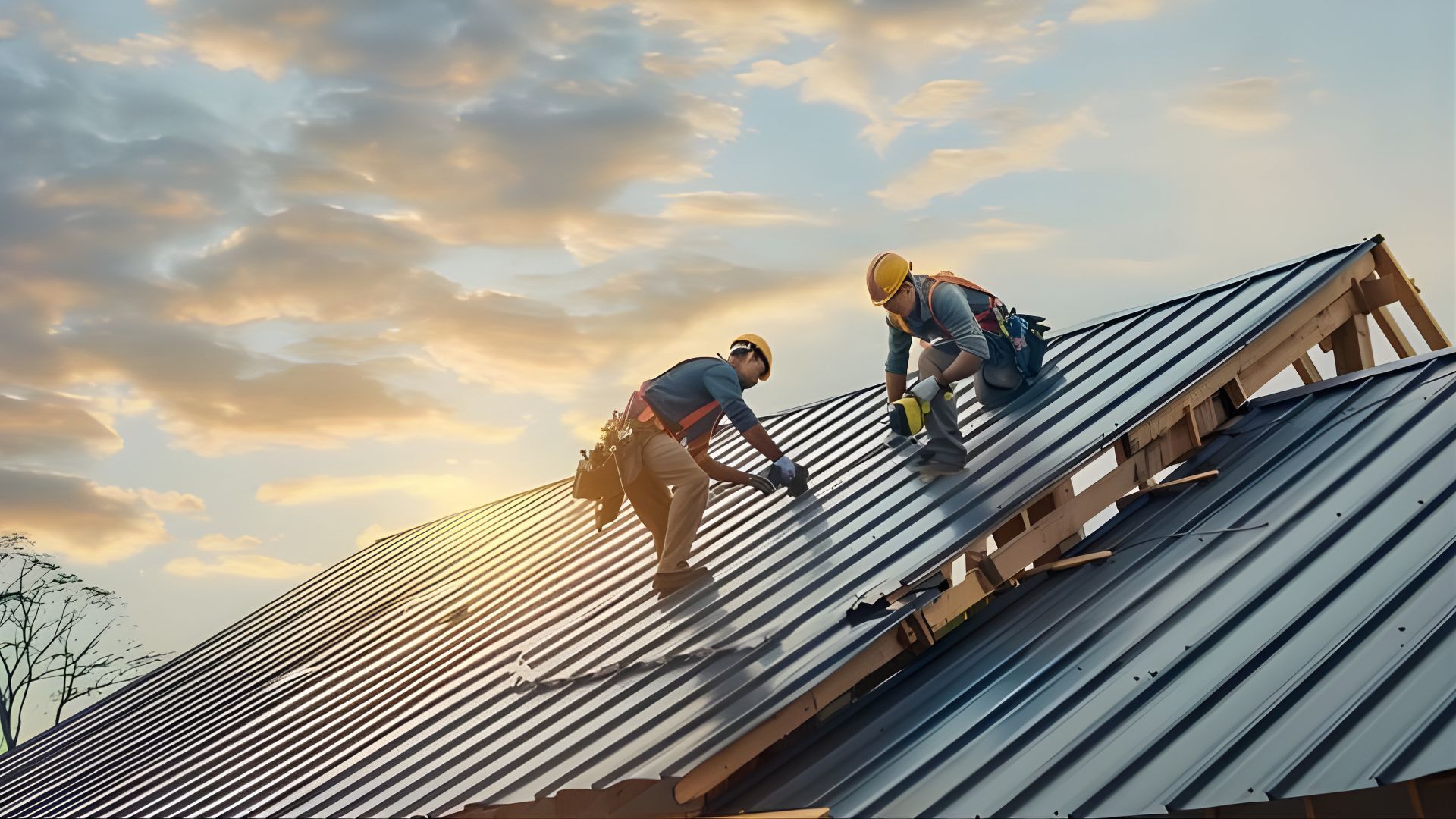
Small localised repairs are sometimes possible. A tear near an eave or around a penetration can occasionally be patched properly. But sarking sits underneath the roof covering, so getting to it usually means lifting tiles or removing sheeting over the affected area. On a metal roof, that means pulling screws and sheets. Nobody retrofits a full sarking layer to a finished roof without effectively taking the roof off.
Which is why the honest advice is simple. The time to install or upgrade sarking is when the covering is already coming off, during a new build or a roof replacement. At that point the labour is already accounted for, and the material cost is a small fraction of the job. Retrofit it as a standalone exercise and you are paying to remove and reinstate a perfectly good roof to get underneath it.
The Verdict on Roof Sarking
If you came here asking what sarking is, the short version is that it is the quiet layer doing work you never see, and the only time most people think about it is when it is absent. It manages moisture, reflects heat, keeps wind-driven rain and embers out of the roof space, and it does all of that for a fraction of what the roof above it costs.
It also has to be continuous, correctly lapped, and matched to the roof type and the local climate to do any of that properly. If you are planning a re-roof, or you have a leak that has been chased more than once without a clean answer, get in touch, and we will take a look at what is actually going on up there.
Key Takeaways
- Sarking is a membrane or reflective foil layer installed under roof tiles or metal sheeting, and it works as a secondary barrier against moisture, heat, wind-driven debris and embers
- It is not a waterproofing layer; it backs up the roof covering rather than replacing it, so a roof with sarking and a real defect will still leak
- Reflective foil, vapour-permeable wraps and anticon blanket suit different roofs and climates, and sisalation is a brand of foil sarking rather than a separate product
- Whether it is mandatory depends on climate zone, roof type and bushfire risk under the National Construction Code and AS 3959, not on a single blanket rule
- Under metal roofs in coastal NSW, condensation is the main reason it is there, and it needs roof space ventilation alongside it to work properly
- The cheapest and only practical time to install or upgrade sarking is during a new build or a full roof replacement
Frequently Asked Questions
Is sarking mandatory in Australia?
There is no single rule requiring it on every roof. Requirements come from the National Construction Code and depend on climate zone, roof type, roof pitch and whether the property sits in a designated bushfire prone area. If sarking is installed, it has to meet the relevant Australian Standards for pliable building membranes. Your roofer can confirm what applies to your specific address, and that is worth asking before a re-roof rather than after.
Is sarking waterproof?
No, and treating it as though it is causes real problems. Sarking is water resistant and designed to handle incidental moisture, such as wind-driven rain that gets under a tile or condensation forming on the underside of a metal sheet. It directs that moisture down to the gutter line. It will not hold back water from a cracked tile, a failed flashing or a blocked box gutter, and if water is pooling on it, something above it has already failed.
Is sarking the same thing as insulation?
Sarking is the pliable membrane layer installed under the roof covering, and no, it is not the same as insulation. Reflective sarking does reflect radiant heat, which helps with summer heat load, but it does not provide the R-value that bulk insulation does. Anticon blanket is the product that combines both, because it bonds a foil sarking face to an insulation blanket. If someone tells you foil sarking alone will insulate your home, ask them for the R-value.
What is sarking made from?
In modern Australian roofing, it is one of three things. Reflective foil laminate, which is aluminium foil bonded to a reinforcing backing. A woven polymer membrane, which is tougher underfoot during installation. A vapour-permeable wrap that blocks liquid water while letting moisture vapour pass through. Older references to timber sarking boards describe a different, historic form of construction and are not what a roofer is quoting for today.
Do you need sarking under a tiled roof?
It is strongly worth having. Tiles shed water by overlapping rather than sealing, so in heavy or wind-driven rain a certain amount gets past them, along with dust and fine debris. Sarking catches that and directs it to the gutter before it reaches battens, insulation or the ceiling. Plenty of older tiled homes were built without it, which is why unexplained ceiling stains are so common on this type of property.
Is sarking required for a Colorbond roof?
Whether it is strictly required depends on the build and the applicable code provisions, but from a practical standpoint, we would not put a steel roof on without it. Metal sheeting loses heat quickly overnight and condensation forms readily on the underside, particularly through cool, wet NSW winters. Sarking combined with adequate roof space ventilation is how that moisture gets managed. Skipping it tends to show up two or three years later as damp insulation and mould on the framing.
How long does a sarking last?
Quality sarking that is installed correctly and left undisturbed will generally last the life of the roof covering above it. What shortens that is physical damage rather than age, so tears from foot traffic during other trades work, punctures from fixings, or UV exposure if it was left uncovered too long during construction. Because it is hidden, damage often goes unnoticed until symptoms appear inside.
Can you install sarking on an existing roof?
Only by removing the roof covering over the area you are working on, so it is realistic during a re-tile, a re-roof or a substantial repair, and not realistic as a standalone job. Localised patches near an eave or around a penetration can sometimes be done with limited access. Full retrofit means taking the roof off and putting it back, which is why it almost always makes sense to bundle it into work that is happening anyway.
Does every house have sarking?
No. A great many older Australian homes were built without it, and it was not routine on tiled roofs for a long time. Some newer builds still miss it or have it installed poorly, with laps in the wrong direction or tears left unrepaired. If you are buying an older property or planning work, it is one of the things worth having checked while someone is up there for another reason.
How much does sarking cost?
As a material, it is one of the cheaper components of a roof, and the cost is driven far more by roof size, pitch, access and whether the covering has to come off to install it. On a new build or a re-roof, it adds a modest amount to a job that is already happening. As a standalone retrofit, the material is almost incidental next to the labour of removing and reinstating the roof. For an accurate figure, it needs to be quoted against your actual roof rather than estimated from a rate per square metre.