Is DIY Roof Repair Dangerous? Why Roof Work Is the Wrong Job to Take On Yourself
A leak shows up after a storm, you watch a quick video, grab a tube of sealant from the hardware store, and figure a Saturday morning on the roof will sort it. We understand the appeal, and for plenty of jobs around the house, that instinct is a good one. However, roof work is not one of those jobs.
So to answer your question,
“Is DIY roof repair dangerous?” Yes, and the danger goes well beyond the obvious risk of a fall. A patch done without the right training can void your warranty, complicate an insurance claim, and fail in the next downpour, costing far more than the original repair ever would have. This post walks through exactly why, and where the sensible line sits between what a homeowner can safely handle and what belongs with a professional.
So Is DIY Roof Repair Dangerous? Here Is the Short Version
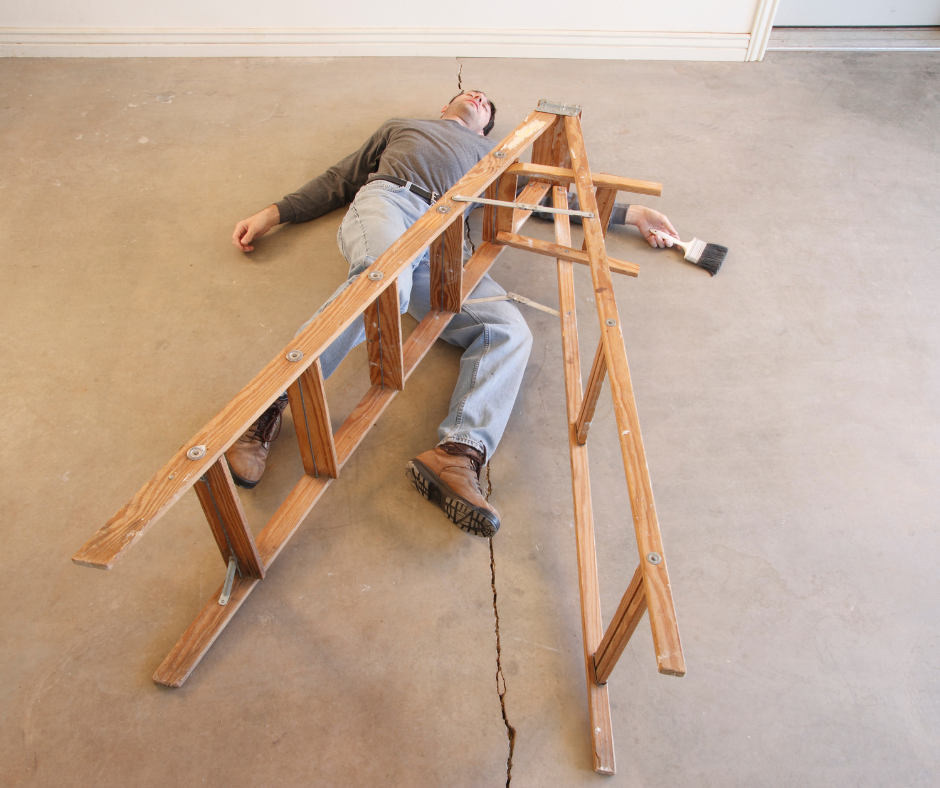
Yes. The headline risk is a fall from height, which is one of the leading causes of serious injury and death at work in Australia, but it is not the only reason to stay off the roof. A wrong fix can trap moisture, void your material and workmanship warranties, and leave you exposed if you make an insurance claim later.
Adapt Roofing is a family-owned roofing and roof plumbing business in Newcastle, and Gary sees the aftermath of well-meaning DIY jobs regularly. The honest answer we give every homeowner is the same. The saving almost never justifies the risk, and a proper repair done once beats a cheap patch done three times. If you already have a leak or damage, our roof repair service covers everything from a single flashing through to storm damage across the whole roof.
The Biggest DIY Roof Repair Dangers Start With Getting Up There
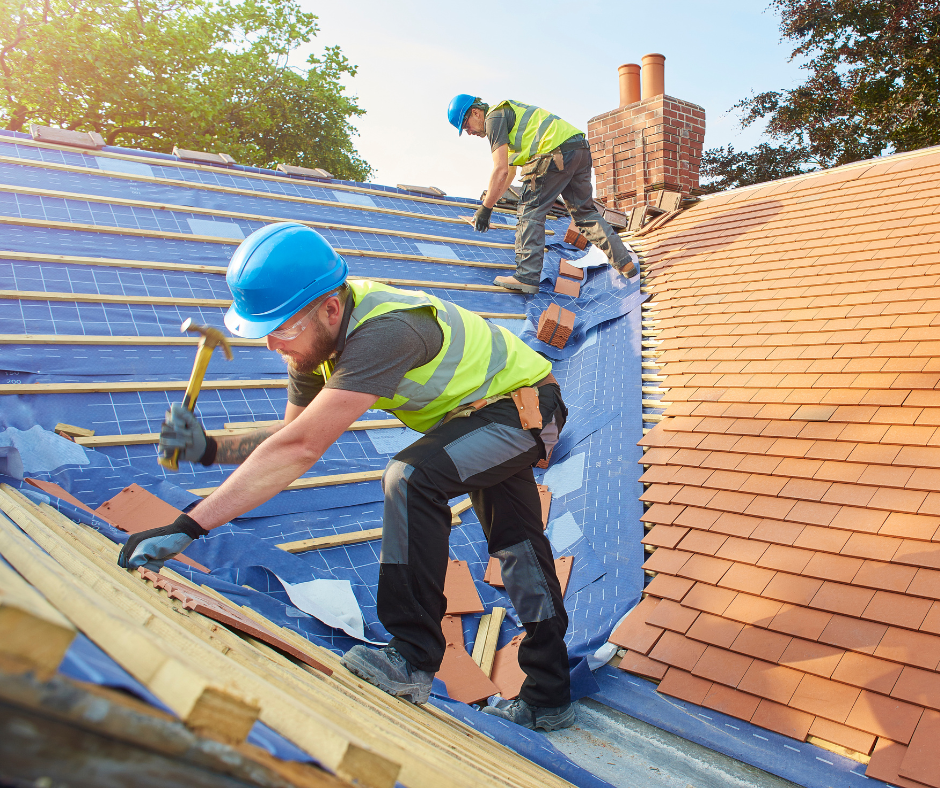
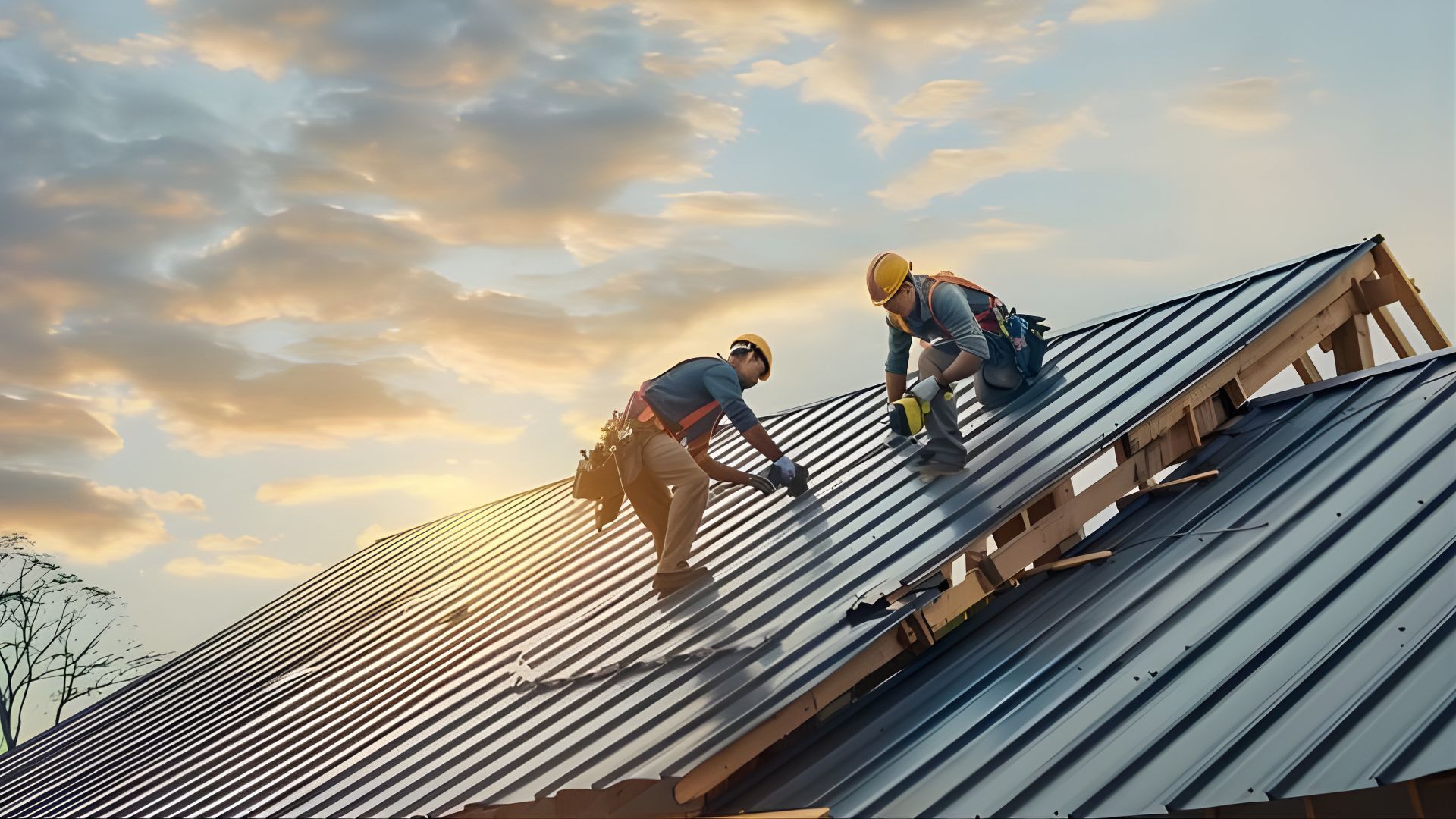
The moment you step onto a ladder, you take on the single most dangerous part of any roofing job. Roofs are sloped, often slick with dew, frost or moss, and offer almost nothing to hold onto. A fall from even a single-storey roof of three to four metres regularly causes broken bones, spinal damage and head injuries.
This is not scaremongering; it is what the data shows. Falls from a height were the second highest contributor to worker deaths in Australia in 2023, and most of those fell within the construction trades, according to Safe Work Australia. The sobering part is that those are trained workers wearing harnesses and using anchor points. A homeowner without that protection is far more exposed to working at heights than a professional crew.
Here in the Hunter and across the Central Coast, there is a seasonal catch as well. Our wet season runs through autumn and winter, so roofs are routinely damp and slippery exactly when leaks send people up to look, and older tiles grow brittle underfoot. The first and biggest reason to leave this work to someone trained to move safely across a roof is avoiding roof fall injuries.
How DIY Roof Repairs Void Your Warranty & Insurance
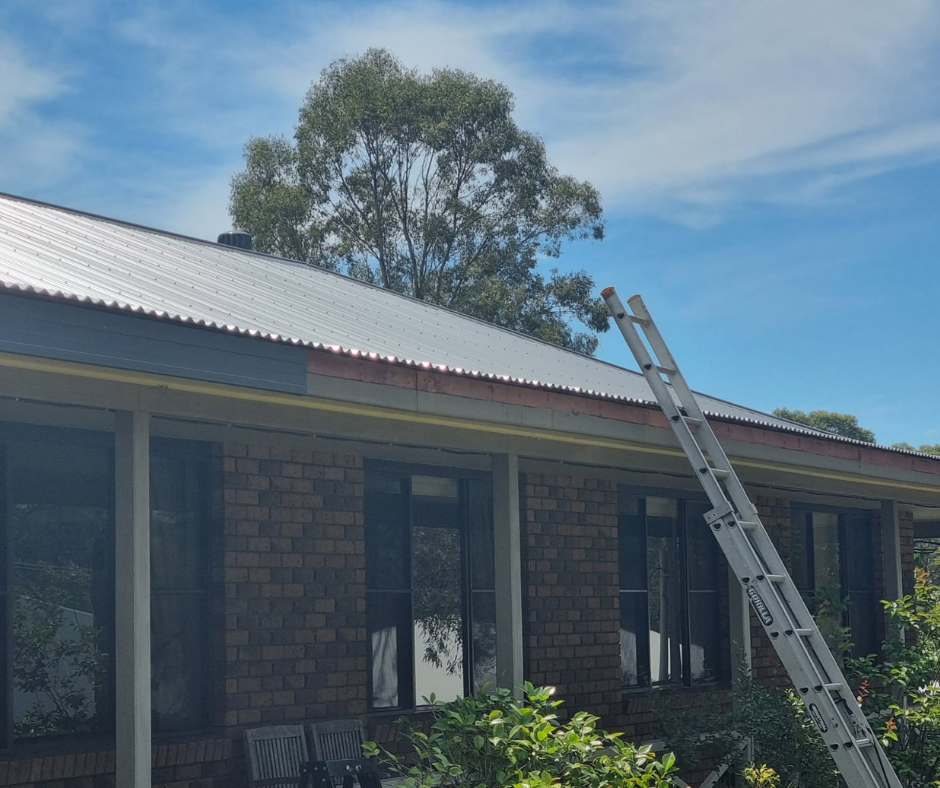
There are two financial traps most people never see coming. The first is your warranty. Manufacturer warranties on roofing materials generally require installation or repair by a qualified tradesperson, and if you have had professional work done before, climbing up and modifying the roof yourself can void the workmanship warranty that came with it. A dab of silicone on a flashing that a professional should have handled under warranty can quietly cost you thousands in lost cover.
The second trap is insurance. Home and contents policies expect building maintenance to be done competently, so if a DIY repair fails and water damages your ceilings or wiring, an insurer may reduce or deny the claim because the damage came from substandard work. Standard cover generally will not pay your medical bills or lost income if you come off the roof. For context, every job we complete carries our seven-year workmanship guarantee, which is the kind of backing a hardware store patch simply cannot give you.
The Hidden Costs & Risks Of DIY Roofing Repair
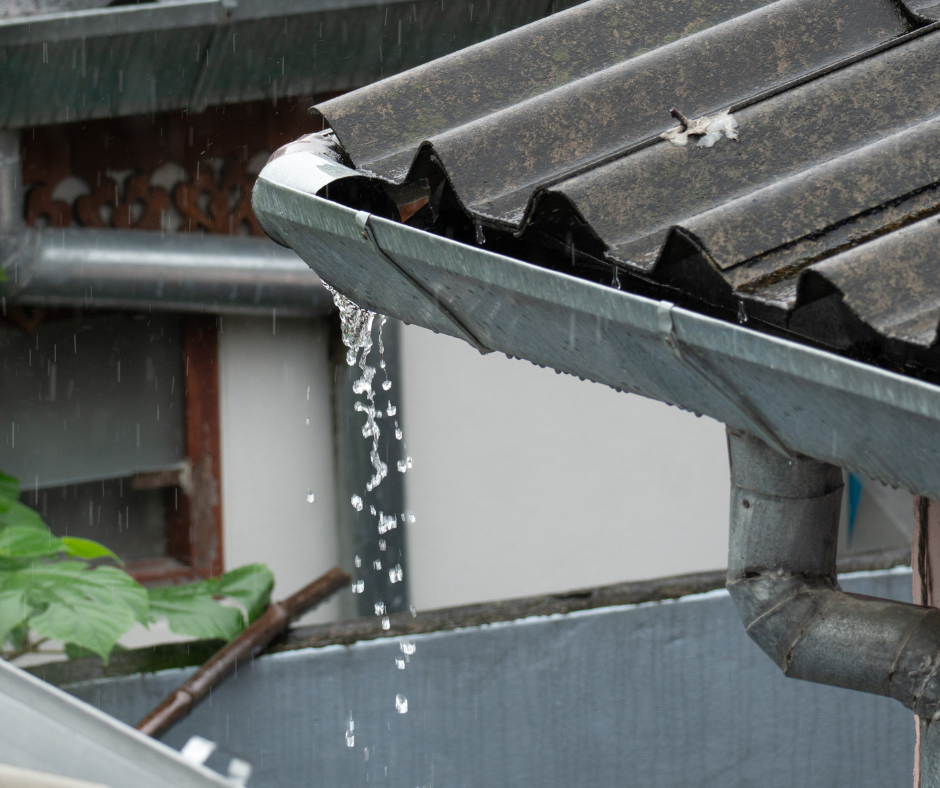
The whole appeal of doing it yourself is saving a few hundred dollars, and that is exactly where the maths falls apart. A patch that looks fine in dry weather can let water straight in during the next storm, and by the time it reaches insulation, plaster and electrical, the repair bill dwarfs what a professional fix would have cost at the start.
The deeper of the risks of diy roofing repair is misdiagnosis. Water rarely enters where it appears inside the house, so the stain on your ceiling is often metres from the actual entry point. We trace the leak to its true source rather than sealing the first wet patch we find, which is the difference between fixing the problem and simply moving it. A repair that fails in six months is not a saving; it is a deferred and larger bill.
Common DIY Mistakes That Make a Roof Worse
Most of the damage we are called out to repair comes from a handful of repeat mistakes. The usual culprits are the same few things.
- Wrong or incompatible sealant for the material and the exposure
- Fixings driven in too hard or placed in the wrong spot
- Poorly dressed flashings that let water track straight back in
- Cracked tiles from someone walking where the roof cannot take the load
Each one turns a small problem into a bigger one.
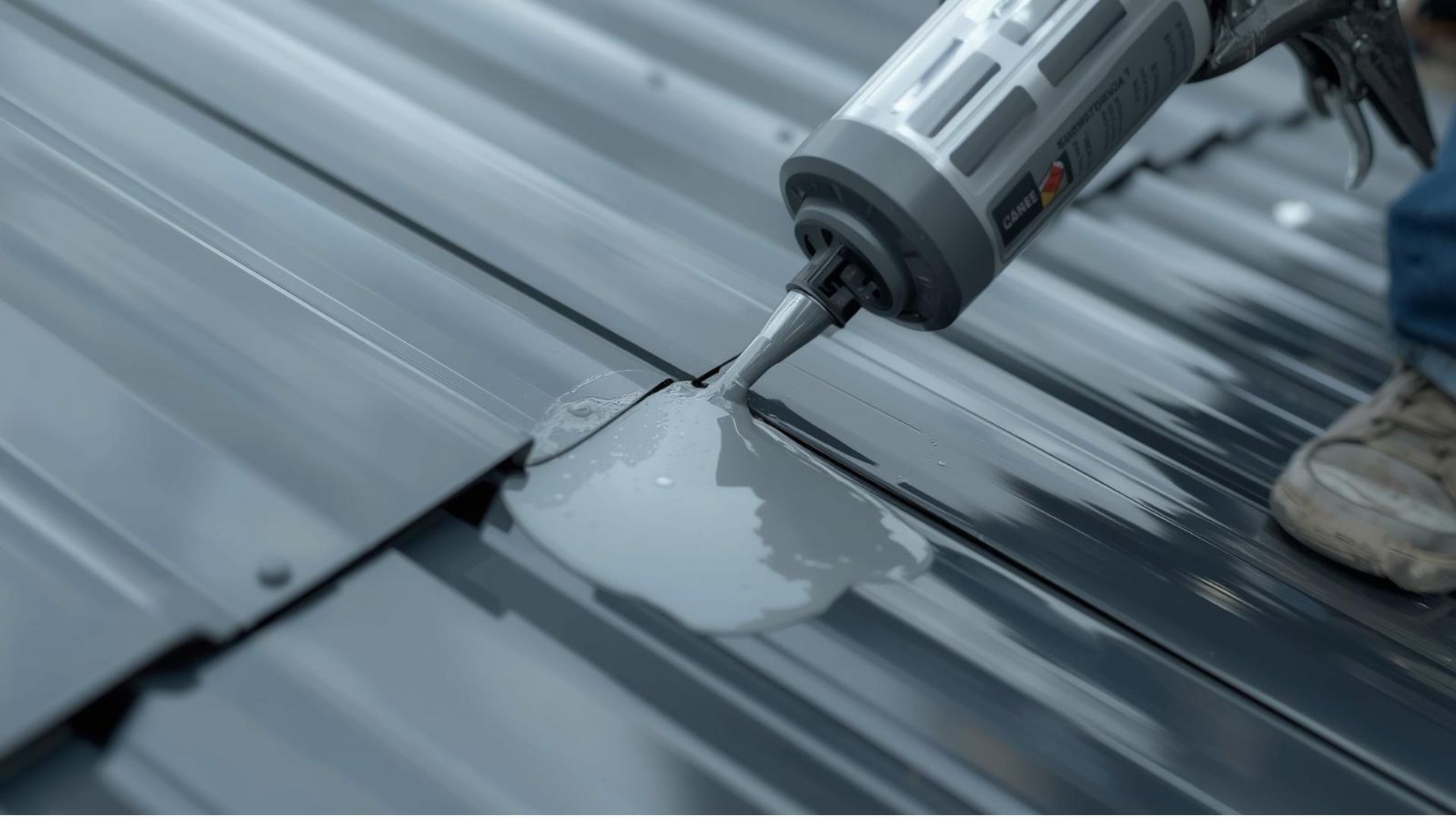
Sealant choice is the one we see most, because the right sealant for a metal roof is rarely the product that looks right on the shelf, and the wrong one traps moisture or lifts within a season. These are the everyday DIY roof repair dangers that do not announce themselves straight away; they surface months later as a stubborn leak or a patch of rust.
Tile, Metal & Colorbond Roofs Each Carry Different Risks
A big reason roof work resists a one-size-fits-all approach is that every roof type behaves differently underfoot, and each carries its own hazard.
- Terracotta and concrete tiles crack and turn slippery when walked on incorrectly, so a cracked tile you did not notice becomes tomorrow's leak.
- Metal and Colorbond roofs can be slick, and a scratch or dent from a misplaced boot breaks the protective coating and invites rust, so there are correct and incorrect places to put your weight.
So can you walk on a tile roof, or a coated metal one? Only in the right spots and with the right technique, which is knowledge earned on the tools rather than from a video. A roof plumber knows where a sheet is supported and where it is not, the same judgement that goes into any Colorbond roofing we install or repair.
What A Licensed Roof Plumber Does That DIY Cannot
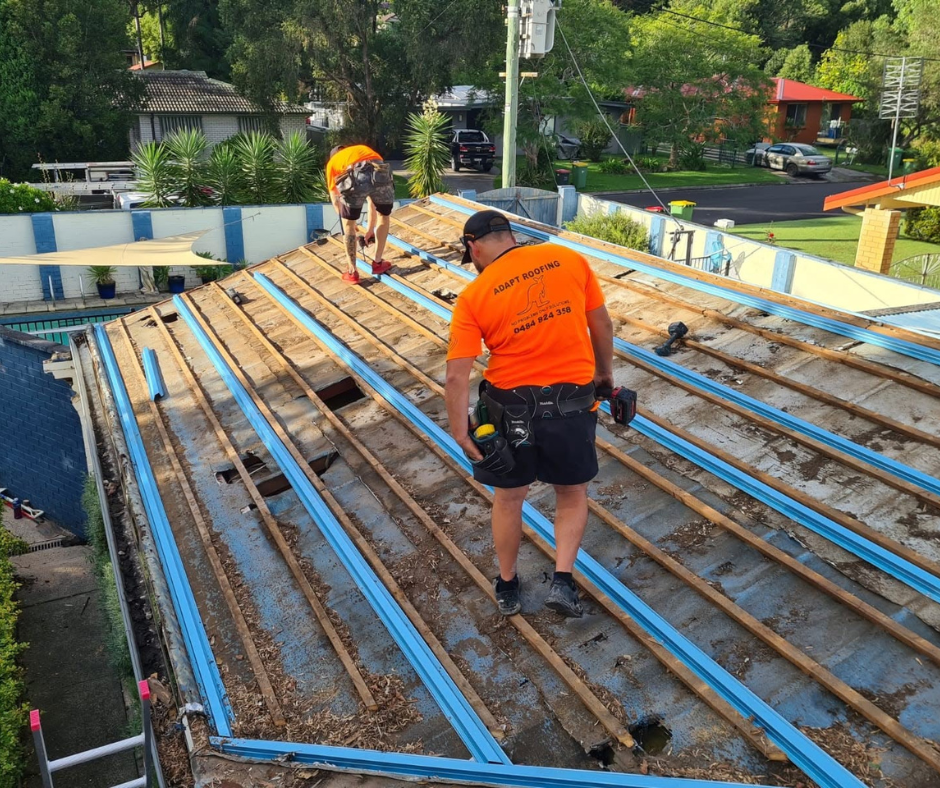
Roof plumbing in NSW is licensed, regulated work, not general handyman territory. A licensed roof plumber holds a formal trade qualification and the contractor licensing this kind of work requires, as set out by the NSW Government. That licensing exists because the work genuinely demands training to get it right and to do it safely.
Gary has more than 25 years in the trade and personally attends every job, backed by that licence and by trade-grade Australian-made materials from the likes of Colorbond, BlueScope and Lysaght. The difference you get is correct diagnosis, compliant workmanship and a real warranty, rather than a guess and a hope.
What You Can Safely Do Yourself & What To Leave To Us
None of this means a homeowner can never touch anything roof-related. There are sensible checks a careful person can do from the ground or a stable ladder, and knowing them keeps your roof healthy between professional visits. The safe list is short and worth sticking to.
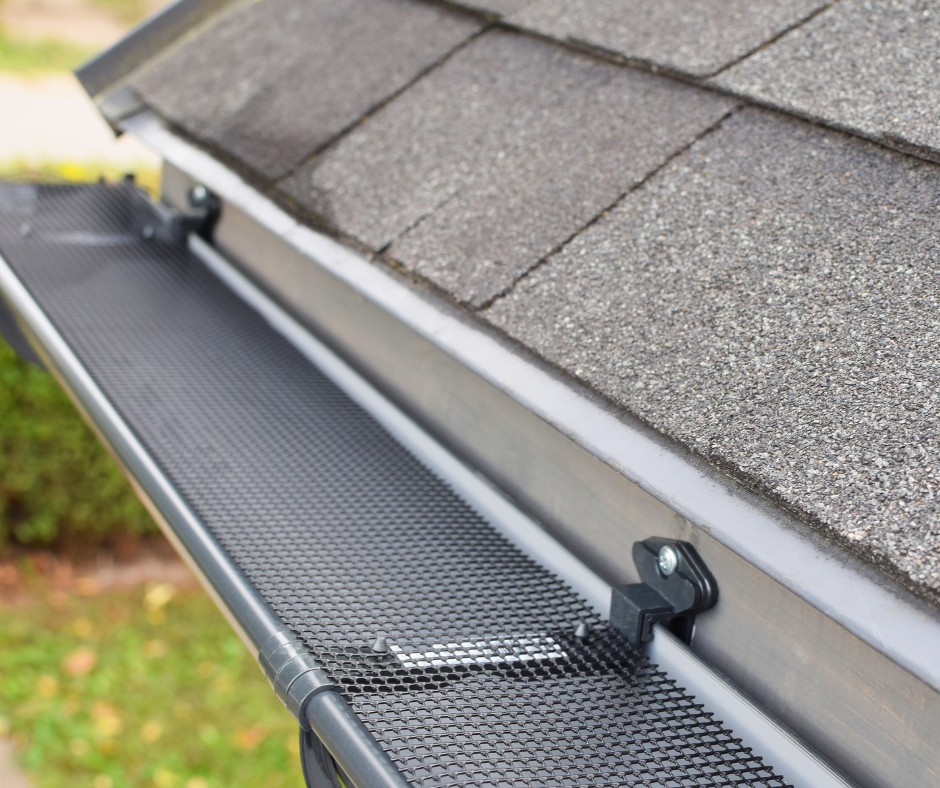
From the ground or a well-footed ladder with someone spotting you, it is fine to clear accessible gutters, scan the roof with binoculars for lifted or broken tiles, and check the roof cavity from the manhole while standing only on the joists. A bit of regular roof maintenance from ground level goes a long way between professional visits. Anything that puts you on the roof, involves roofing materials, or means a waterproofing or structural repair is where you should stop and call us.
Conclusion
Getting on the roof yourself trades a small saving for a large and avoidable risk. The danger of a fall, the warranty and insurance exposure, and the real chance of a failed fix that costs more down the track all point the same way. Roof work is the wrong job to DIY.
If something is leaking or you are not sure what you are looking at, the safer first step is a professional set of eyes. We offer a free, no-obligation quote across Newcastle, Lake Macquarie, the Hunter and the Central Coast, so get in touch, and we will take it from there.
Key Takeaways
- DIY roof repair is dangerous mainly because falls from height are a leading cause of serious injury and death, even for trained workers with safety gear.
- A DIY repair can void both your material warranty and any existing workmanship warranty, and can complicate a home insurance claim if the fix fails.
- A failed patch often costs more than the original professional repair once hidden water damage to ceilings, insulation and wiring is included.
- Tile, metal and Colorbond roofs each carry different walking and repair hazards, so there is no safe one-size-fits-all approach.
- Roof plumbing is licensed work in NSW, and a licensed roof plumber brings correct diagnosis, trade-grade materials and a genuine warranty.
- Ground-level checks and clearing accessible gutters can be fine for a careful homeowner, but anything on the roof should go to a professional.
Frequently Asked Questions About DIY Roof Repair
Is DIY roof repair dangerous?
Yes. The main risk is a fall from height, which remains one of the leading causes of serious injury and death in Australia. On top of that, a repair done without the right training can void warranties, complicate an insurance claim, and fail later in a way that causes far more damage than the original problem.
Can I fix a roof leak myself?
You can attempt a minor fix, but the hard part is finding where the water is actually getting in, which is often nowhere near where the stain appears inside. A wrong fix during our autumn and winter wet season can let water reach insulation and ceilings and turn a small job into a major one. For anything beyond a ground-level check, it is safer and usually cheaper to have it looked at properly by a professional roofer.
Can you walk on a tile roof?
Only with care and the right technique. Terracotta and concrete tiles crack and become slippery underfoot, and a cracked tile you do not notice becomes the next leak. Knowing where a tile roof will take weight and where it will not is something learned on the tools, which is why it is best left to a professional.
Can you walk on a Colorbond or metal roof?
Coated steel can be slick and is easily scratched or dented, and a damaged coating is where rust starts. There are correct and incorrect places to step depending on where the sheet is supported underneath. A roof plumber knows the difference, so this is not a surface to go exploring on.
Does DIY roof work void my warranty?
Often, yes. Many material warranties require a qualified installer, and an existing workmanship warranty from previous professional work can be voided the moment you modify the roof yourself. It is worth checking the terms of both before you climb up, because losing that cover can cost far more than the repair you were trying to save on.
Will my insurance still cover me if I repair my own roof?
Possibly not. Home and contents policies generally expect maintenance to be done competently, so an insurer may reduce or deny a claim if the damage traces back to a substandard DIY repair. Standard cover will also not pay your medical bills or lost income if you fall, so the financial exposure runs in both directions.
Is it cheaper to repair my roof myself?
Not once you account for a fix that fails. The upfront saving disappears the first time water gets past a patch and reaches insulation, plaster or wiring, and the resulting bill is usually far larger than a professional repair would have been. A repair that comes with a warranty is the cheaper option over any reasonable time frame.
Do I need a licensed roof plumber?
For most residential roof plumbing work, yes, a contractor licence is required under NSW rules. Using a licensed roof plumber means the work is done to standard, with the right materials and proper warranty cover. It also gives you someone accountable if anything is not right.
What roof tasks are safe to do myself?
Ground-level checks are reasonable, such as scanning the roof with binoculars, clearing accessible gutters from a stable ladder with a spotter, and looking in the roof cavity from the manhole while standing on the joists. Anything that puts you on the roof itself, or involves roofing materials or waterproofing, is not. When in doubt, keep both feet on the ground and book an inspection.
What should I do after storm damage to my roof?
Document what you can see from the ground, take photos for your insurer, and avoid climbing up while the roof is still wet and slippery. Book a professional inspection so the full extent of the damage is assessed properly, including the parts you cannot see from below. Acting quickly limits further water damage without putting yourself at risk.