The Damage Caused by Blocked Downpipes & the Signs to Catch Early
Most roof drainage problems make themselves known. A blocked downpipe usually does not. It sits quietly behind a gutter full of leaves, and every time it rains, the water that should be heading for the stormwater pipe has to find another way off your roof.
That other way is where the trouble starts. The damage caused by blocked downpipes builds out of sight, in fascia boards, eaves linings, wall cavities and the soil around your footings. By the time a stain or a musty smell turns up inside, water has often been getting in for weeks or even months.
Knowing what a blockage actually does to a home, and the early signs to look for, is the difference between a quick fix and a costly repair.
What Does a Blocked Downpipe Actually Damage?
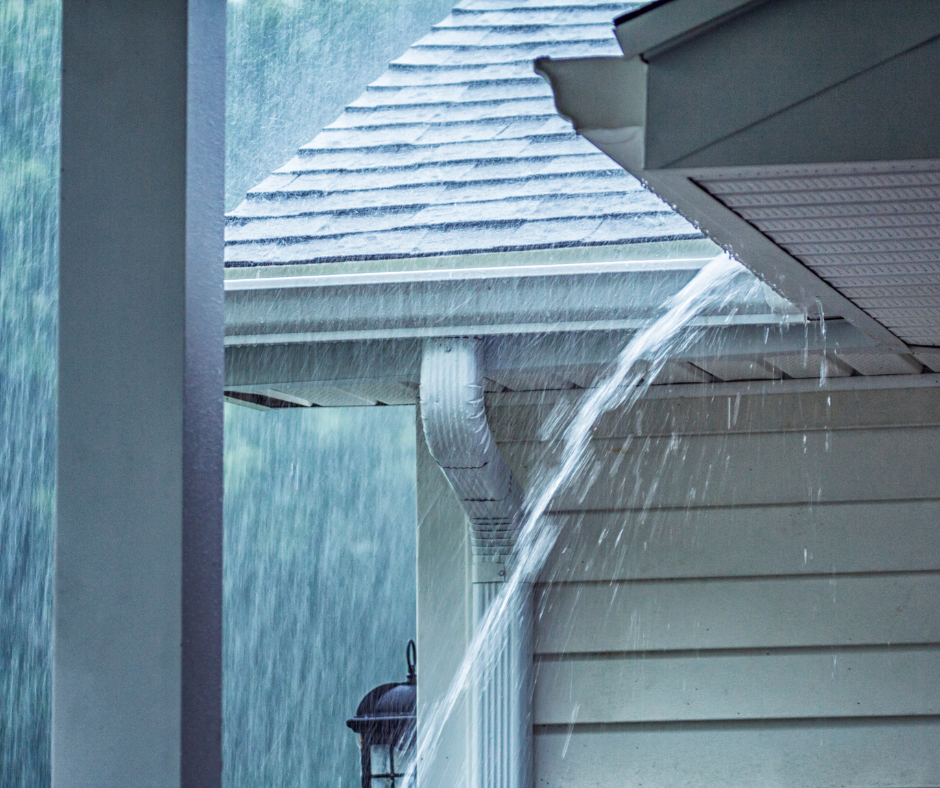
A blocked downpipe stops rainwater draining off the roof, so the gutter fills, backs up and spills over. That overflow soaks the fascia and eaves, can push back under flashings into the roof space, runs down external walls and pools around the base of the house, where it softens the soil around your footings. Water sitting in the gutter also speeds up rust, so the gutter itself wears out well before its time. Because most of this happens behind gutters, inside cavities and below ground, the damage is usually well advanced before anything shows indoors.
At Adapt Roofing, a family-owned roof plumbing business working across Newcastle, Lake Macquarie and the Central Coast, we see this pattern constantly. Blocked downpipes sit behind a lot of the leaks, and rotten timber we get called out to, and most could have been caught with a quick check. Left long enough, the water often damages the downpipe itself, which is why gutter and downpipe repairs so often involve replacing sections of pipe as well as clearing the blockage.
How a Downpipe is Meant to Work & What Happens If a Downpipe is Blocked
Your roof is a big catchment. Rain that lands on it runs into the gutters, along to an outlet, down the downpipe and into an underground stormwater pipe that carries it away from the house. Each downpipe drains its whole stretch of roof, so if it stops flowing, nothing upstream can drain either.
Once a downpipe blocks, water backs up into the gutter with nowhere to go except over the edge or back towards the house. That is gutter overflow at its most damaging, because it does not happen once. It happens in every downpour, in the same spot, soaking the same timber and the same patch of ground until something gives.
What Causes Blocked Downpipes?
Most blockages start with whatever lands on the roof. These are the usual culprits:
- Gum leaves, bark and gum nuts, which pack down hard once they are wet
- Twigs, seed pods and leaf litter from overhanging trees
- Moss, roof grit and rust flakes washed off older roofs
- Bird nests built in or near the gutter outlet
- Dirt and silt that settles at the bottom bend or the underground junction
A blockage rarely forms in one go. Debris catches at the outlet or the first bend, then each storm adds a little more until the pipe is packed solid. Downpipes also block at the bottom, where the pipe turns into the ground, and tree roots can work their way into older underground pipes. We see the most trouble in the wetter autumn and winter months, when a partly blocked system finally gets more water than it can handle.
The Damage Caused by Blocked Downpipes
Water from a blocked system moves through a home in a fairly predictable order. It starts at the roof edge, then works its way down and in.
Overflowing Gutters & Water Down the Walls
When the gutter spills over, water sheets down the face of the house instead of through the pipe. Brick and render soak it up, window frames and sills take a beating, and the ground directly below cops a concentrated stream it was never meant to handle. Often the first sign is dark streaking, white salty marks on brickwork or mould on shaded walls.
Fascia, Eaves & Timber Rot
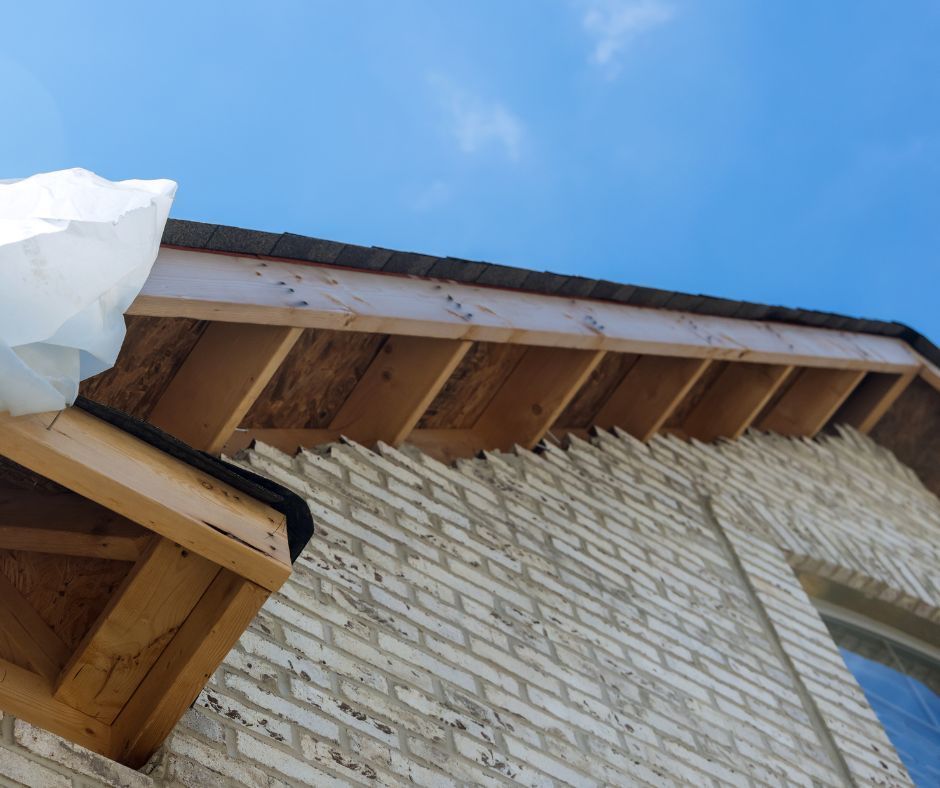
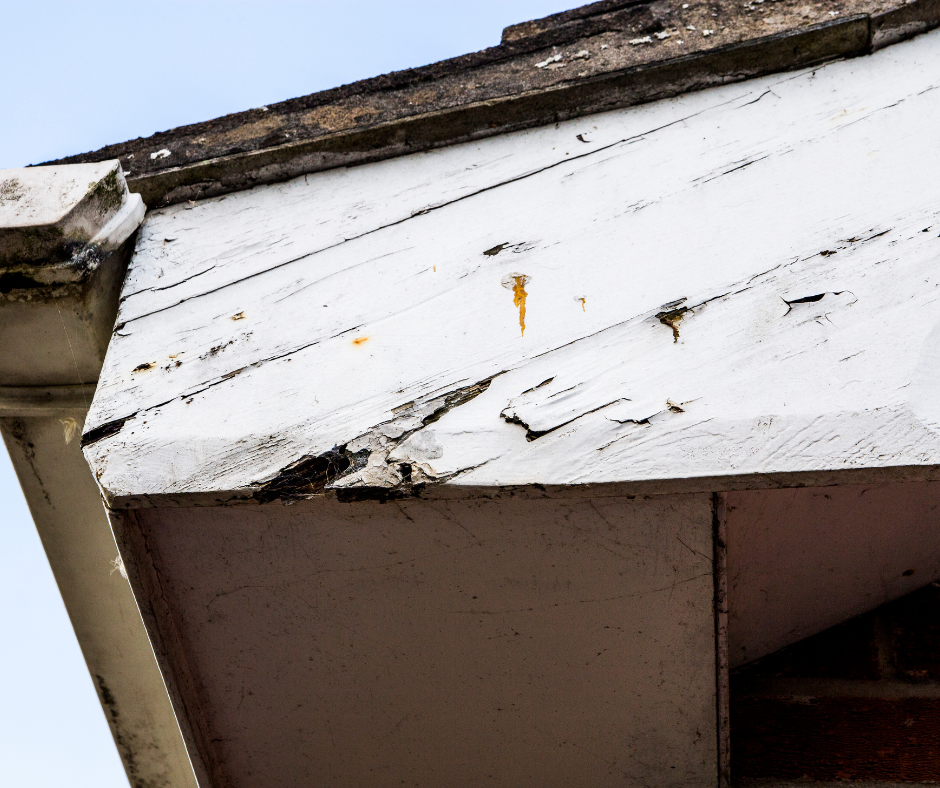
The fascia board sits right behind the gutter, so it is the first piece of timber to get wet when water backs up. Repeated soaking leads to blistered paint, soft timber and eventually rot, while the eaves lining behind it starts to stain, sag or drop. This kind of fascia and eaves damage is slow and easy to miss from the ground, which is why we check the back of the gutter and the fascia line on every roof inspection. How far the rot has spread is also one of the biggest factors in what a fascia repair ends up costing.
Roof Leaks, Ceiling Stains & Roof Cavity Moisture
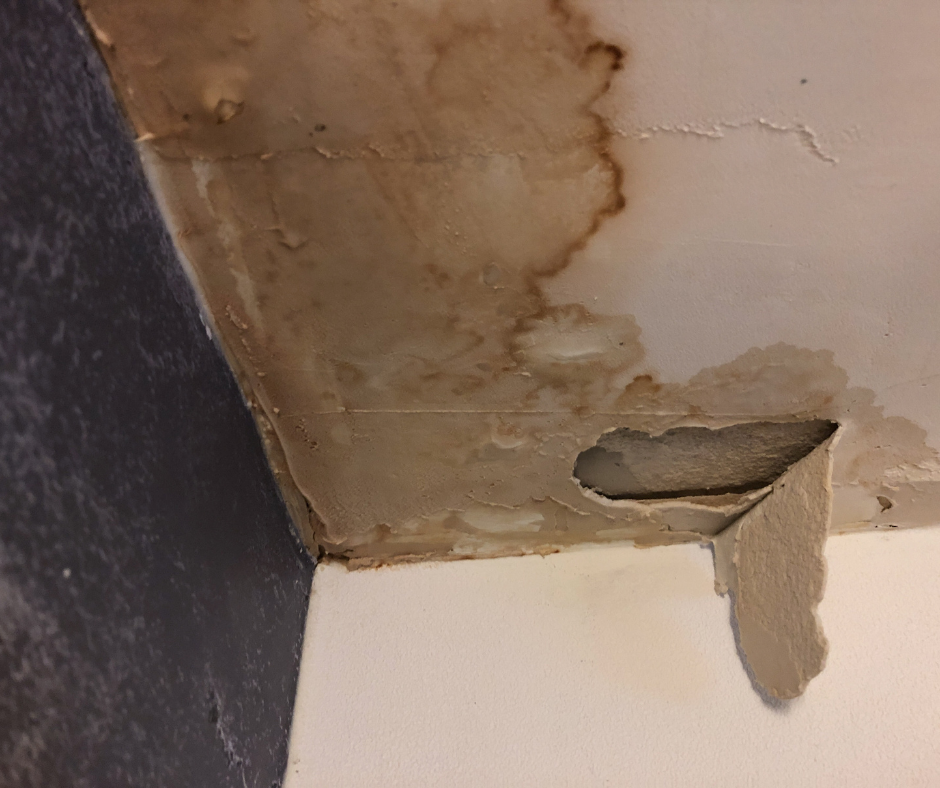
Water that backs up does not always spill outwards. When the overflow is heavy, it can run back behind the fascia and under the roof sheets or tiles. Box gutters and rainheads are especially vulnerable, because a blocked outlet there sends water straight into the roof space instead of over the edge. That moisture soaks insulation, stains plasterboard and can lead to mould and sagging ceilings long before a drip appears, which is why detecting roof leaks early matters so much.
Gutter Rust & Premature Replacement
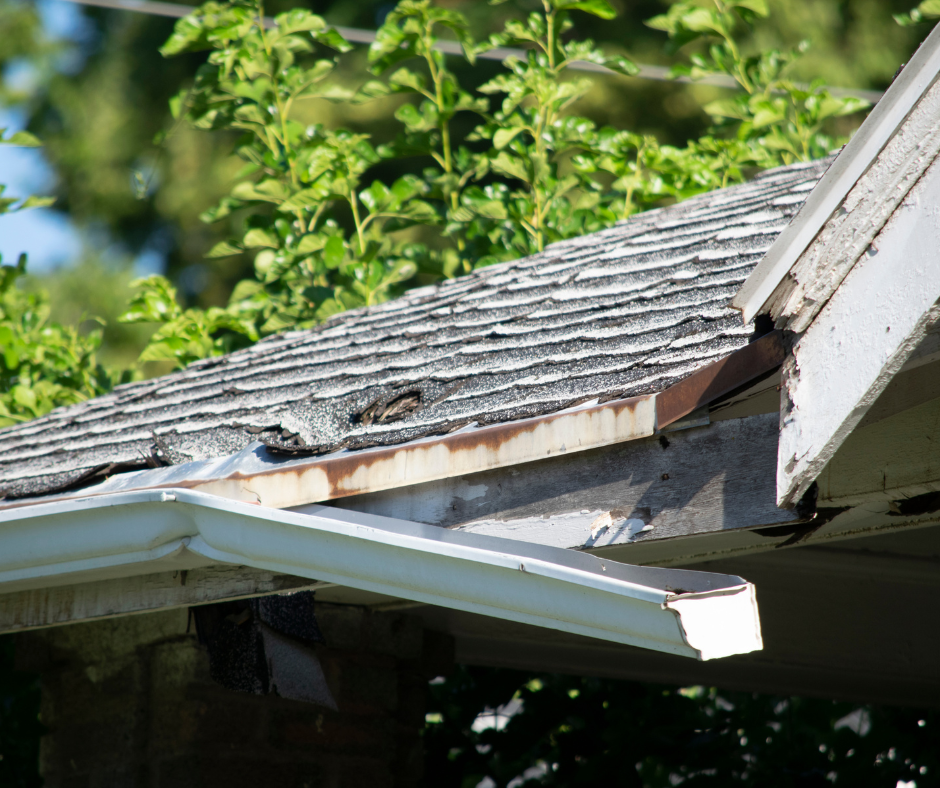
Gutters are made to carry water away, not to hold it. When the downpipe is blocked, water and wet leaves can sit in the gutter for days, and that constant moisture wears through the protective coating far faster than ordinary weather ever would. In coastal suburbs, salt in the air speeds the process up even more. Rust holes, leaking joints and sagging sections soon follow, and a gutter that should have had plenty of life left reaches the point where replacement makes more sense than repair far sooner than it should.
Foundations, Soil Erosion & Pooling
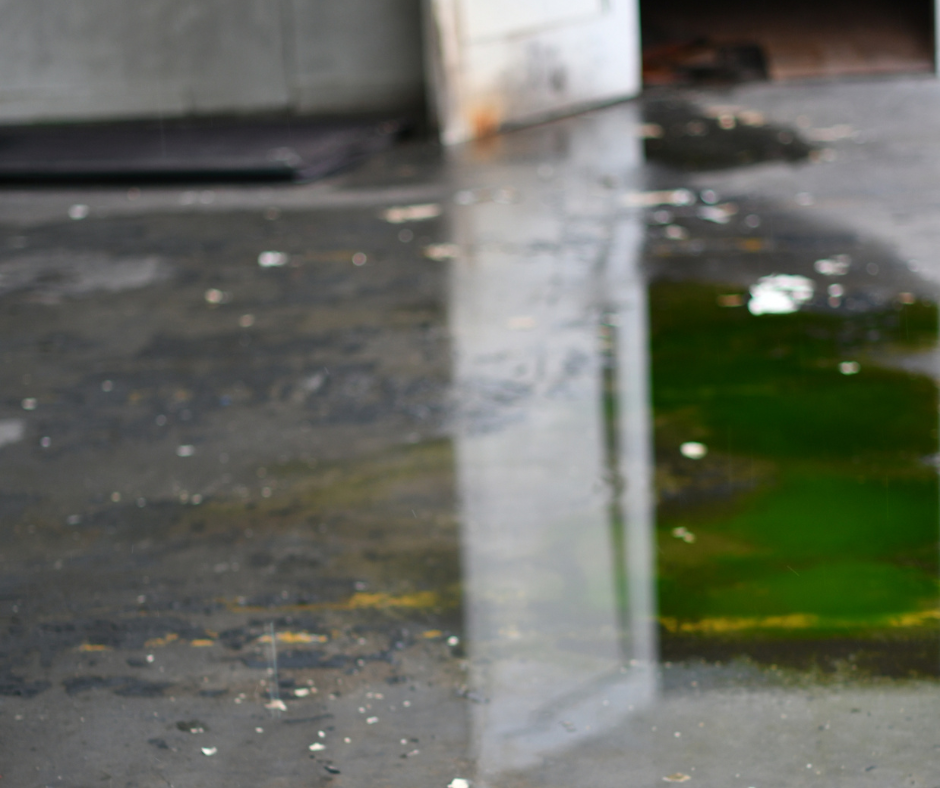
Water spilling from the same point every storm digs into the ground below it. It washes away soil and mulch, undermines garden edges and soaks the ground around your footings. On reactive clay soils, repeated wetting and drying make the soil swell and shrink, and that movement can show up as cracked walls and sticking doors.
Landscaping, Paths & Boundary Damage
The damage does not stop at the house. Pooled water can crack and lift concrete paths over time, drown garden beds and loosen fence posts and retaining walls. Overflow can also send concentrated water onto a neighbour's block, which nobody wants.

| Type of Damage | Where It Hits | How Easy It Is To Spot |
|---|---|---|
| Overflowing Gutters | Gutters, walls, windows | Easy, if you look during rain |
| Timber Rot | Fascia boards, eaves lining | Hard from the ground until paint fails |
| Roof Space Leaks | Insulation, ceilings, plasterboard | Usually only once a stain appears |
| Gutter Rust | Gutters, joints, brackets | Moderate; rust streaks show on the face |
| Ground and Footing Damage | Soil, paths, walls, doors | Often not until cracks appear |
Signs of a Blocked Downpipe Before You Notice the Damage
The best time to catch a blockage is before it has done any harm, and most of the early signs are easy to spot once you know where to look. Next time it rains steadily, take a walk around the house and check for the following.
- Water spilling over the front of the gutter in steady rain, not just in a torrential downpour
- A downpipe that is silent or barely trickling at the bottom while the roof is clearly shedding water
- Dark streaks, stains or peeling paint on the fascia and eaves lining
- Damp patches, bubbling paint or a musty smell inside, especially along external walls after rain
- Pooling water, washed out mulch or a hollow in the ground below the gutter
- Weeds or grass growing out of the gutter, a sure sign it has been holding soil and water for a while
- Rust spots or streaks on the face of the gutter
Even one or two of these signs usually means water is not getting away as it should. Many of them overlap with the red flags that gutters need cleaning, since a blocked downpipe and a gutter clogged with leaves tend to go hand in hand.
Blocked Downpipe Problems That Need a Professional
A blockage you can see at the top outlet is sometimes a simple job. Plenty are not, and a hose from the top of a ladder will not fix any of these.
- The blockage is at the bottom bend or in the underground pipe, well out of reach from above
- The downpipe is crushed, cracked or split, often from a mower, a ladder or settling ground
- Joints have come apart, so water leaks into the wall or the ground instead of the stormwater pipe
- The gutter falls the wrong way, or there are too few downpipes for the size of the roof
- Tree roots have worked their way into the underground stormwater line
Downpipes & Stormwater in NSW
Many homeowners do not realise the gutters, downpipes and stormwater pipes on their block are their own responsibility, not the council's. Central Coast Council's stormwater guidance makes it clear that property owners need to keep roof drainage, gutters, downpipes and stormwater pits on their land in good condition. Councils across NSW take much the same position.
Roof water also has to end up somewhere approved. Homes generally need their roof and stormwater drainage connected to a legal point of discharge, such as the kerb and gutter or an inter-allotment drainage line, to comply with AS/NZS 3500.3, the Australian standard for stormwater drainage. A downpipe that has come loose, or simply dumps water onto the ground, can end up flooding next door, and an owner may be liable if their drainage concentrates water onto a neighbour's property. Requirements vary between councils, so check with your local council or ask a licensed roof plumber about your property.
How to Prevent a Blocked Downpipe & the Damage It Causes
Prevention mostly comes down to keeping water moving. A few simple habits make a big difference.
- Clear the gutters and check the downpipe outlets regularly, more often if trees overhang the roof
- After a big storm, check that every downpipe is running freely at the bottom
- Keep branches trimmed back from the roofline
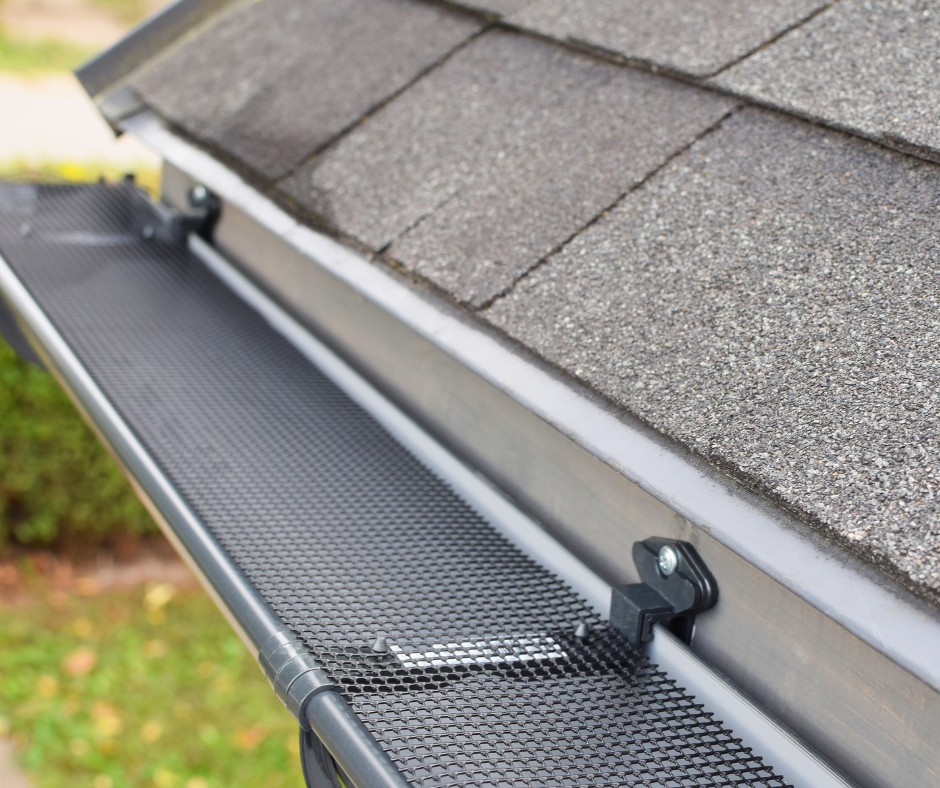
- Fit leaf strainers or rainhead screens where the leaf load is heavy
- Consider gutter guard in leafy streets, keeping in mind it still needs the occasional check
- Book a professional check before the wetter autumn and winter months
Done consistently, these habits are the backbone of keeping gutters in good working order, and they stop most blockages before they have a chance to cause damage. A professional check adds what is hard to see from the ground, covering the whole roof and drainage system from the gutters and outlets down to the base of every downpipe, along with an honest view of what needs doing now and what can wait.
Catch a Blocked Downpipe Before the Damage Spreads
A blocked downpipe looks like a small problem, and for a while it is. Every storm it is left alone adds to the damage, though, in timber, walls, ceilings and the ground around your home. Catching it early nearly always costs far less than repairing what the water has done.
If you are not sure whether your downpipes are draining properly, get in touch with our team, and we will come out, take a look and give you a straight answer. Our work is backed by a 7-year workmanship warranty, and we are always upfront about anything it does not cover.
Key Takeaways
- A blocked downpipe backs water up through the whole roof drainage system, so the damage is rarely limited to one spot.
- The worst damage usually happens out of sight, in fascia boards, eaves, the roof space and the ground around your footings.
- Early warning signs include gutters spilling over in steady rain, a downpipe that is not flowing at the base, staining on the eaves and damp patches inside.
- Blockages below ground, cracked or disconnected pipes and poor drainage falls need a licensed roof plumber, not a hose from the top.
- In NSW, property owners are responsible for keeping the gutters, downpipes and stormwater pipes on their land in good condition.
- A check before the wetter autumn and winter months costs far less than repairing water damage.
Frequently Asked Questions
What damage can a blocked downpipe cause?
A blocked downpipe forces water back into the gutter until it spills over. That water rots fascia boards and eaves, can leak into the roof space and ceilings, stains and dampens external walls, and pools around the base of the house. Over time, it also rusts out the gutter and can affect the soil around your footings. Most of it happens out of sight, so it is often well underway before you notice.
How do I know if my downpipe is blocked before it causes damage?
The easiest test is to watch the gutters during steady rain. If water is spilling over the front, or the downpipe is barely trickling at the bottom while the roof is clearly shedding water, something is stopping the flow. Stained or peeling eaves, rust streaks on the gutter and pooling at the base of the downpipe are other early clues. A quick look after a storm is usually enough to pick it up.
What Happens If a Downpipe Is Blocked for a Long Time?
The damage compounds. Early on, it is mostly overflow and stained walls, but months of repeated soaking lead to rotten timber, leaks into the roof space, rusted gutters and damp, eroded ground around the house. Fixing the blockage itself is usually quick, while repairing what the water has done can take far more time and money.
What causes a downpipe to block?
Leaves, bark and gum nuts are the most common cause, along with twigs, moss, roof grit and the occasional bird nest. Debris catches at the outlet or the first bend and builds up with every storm. Dirt and silt can also settle at the bottom bend or the underground junction, and tree roots sometimes get into older underground pipes.
Can a blocked downpipe cause a roof leak?
Yes. When the gutter overfills, water can run back behind the fascia and under the roof sheets or tiles, then drip into the roof space. Box gutters and rainheads are a particular risk, because a blocked outlet there sends water straight inside the roof instead of over the edge. Ceiling stains are often the first sign, by which point the insulation may already be wet.
Can I clear a blocked downpipe myself?
Sometimes, if the blockage is at the top outlet and you can reach it safely from a stable ladder with gloves on. Flushing the pipe with a hose afterwards will tell you whether it is running freely. Avoid poking hard objects down the pipe, which can split joints or pack the blockage tighter. Most stubborn blocked downpipe problems sit at the bottom bend or underground, and those need the right equipment and a licensed roof plumber.
Do downpipes have to connect to stormwater in NSW?
Generally, yes. Roof water needs to drain to an approved point, such as the kerb and gutter or an inter-allotment drainage line, in line with AS/NZS 3500.3 and your council's requirements. Some properties that cannot connect use an approved absorption system instead. Your local council or a licensed plumber can confirm what applies to your block.
Who is responsible for stormwater pipes in NSW?
The gutters, downpipes, pits and stormwater pipes on your property are your responsibility to maintain. Council looks after the public stormwater system in the street and on public land. Private drainage easements shared between neighbouring blocks are generally the responsibility of the owners who use them.
How often should downpipes be checked in Newcastle & the Central Coast?
There is no fixed rule, because it depends on how many trees are around your home. As a general guide, a check once or twice a year suits most homes, with an extra look after big storms and before the wetter autumn and winter months. Homes under gums or other heavy leaf droppers usually need more frequent attention.